Over 1,000 birds found dead in South Australia due to suspected H5 bird flu as government ramps up wildlife protection efforts.
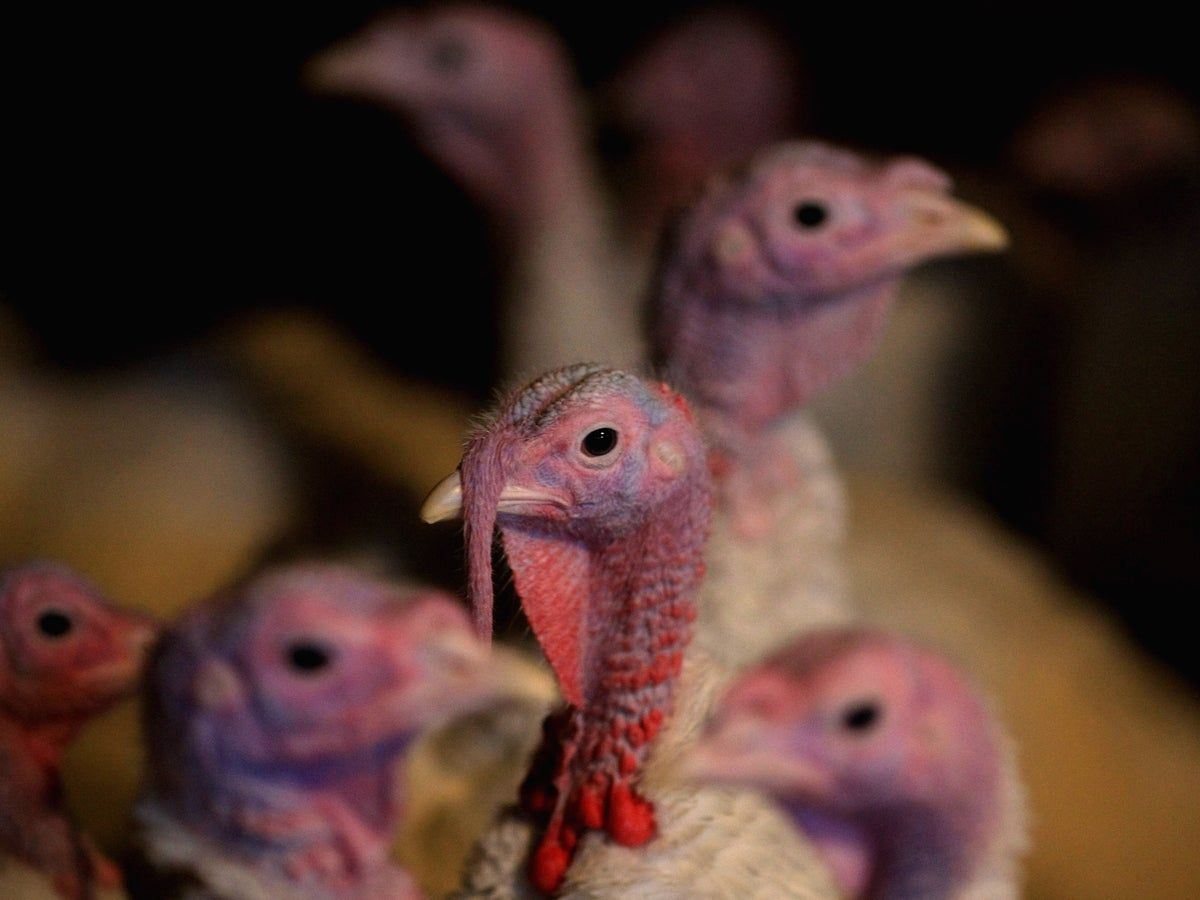
Over 1,000 birds found dead in South Australia due to suspected H5 bird flu as government ramps up wildlife protection efforts.
In South Australia, premier Peter Malinauskas has reported a “significant escalation” in H5 bird flu cases after the discovery of three mass mortality events involving more than 1,000 greater crested terns.
The cause of these deaths is presumed to be H5 bird flu, raising alarm as state authorities continue to monitor the situation. A suspected case involving a little penguin found on Kangaroo Island is particularly concerning to the premier.
Meanwhile, the Tasmanian government has reported 28 dead little penguins on King Island, with tests underway to see if H5 bird flu is the cause. This situation draws attention to the potential impact of the virus across various bird populations.
Recent aerial surveillance detected these three mass mortality events in South Australia, all occurring on offshore islands where H5 bird flu had previously been confirmed. Troubridge Island off Yorke Peninsula and the Pages Islands near Kangaroo Island were the primary locations of the observed deaths, with over 1,000 dead crested terns identified during these patrols.
These instances signify the largest detected mass deaths linked to H5 bird flu in Australia since the virulent strain arrived on the mainland in June. Greater crested terns, which are prevalent in the region, have proven to be the most impacted species thus far.
The Pages Islands are also important habitats for endangered Australian sea lions and long-nosed fur seals, adding another layer of concern as wildlife officials fear potential impacts on mammal populations.
Malinauskas emphasized that aerial patrols are not limited to seabird monitoring; teams are vigilant for possible mammal cases that could indicate a broader wildlife health crisis. Fortunately, there have so far been no reported mass deaths among mammals.
Despite the rising deaths among bird populations, there have been no detections of the virus in poultry or livestock, providing a small measure of reassurance.
At a press event, the state government revealed that new cases among greater crested terns have been confirmed in various locations across South Australia, including Flagstaff Hill, McLaren Vale, and Tanunda. Additionally, a confirmed case in a raven was reported near Port MacDonnell.
Georgie Cornish, the executive director for biosecurity at the Department of Primary Industries, remarked that the detection in Tanunda shows the virus’s widening reach from coastal regions to more inland areas.
Considering the ongoing crisis, Malinauskas stated the government will take all necessary measures to protect wildlife and communities across South Australia. He noted that although broad-scale vaccination of wild birds is impractical, targeted vaccination for selected at-risk species could provide essential benefits.
The SA government is working alongside local zoos and wildlife parks to prepare for the vaccination of priority species, including captive populations of little penguins and other endangered birds. They are exploring the possibility of vaccinating at-risk mammals, including Australian sea lions at Seal Bay on Kangaroo Island as an additional precaution.
In New South Wales, government officials have confirmed H5 bird flu in seven birds found at Narooma and Merimbula, and plans to vaccinate priority species are also in progress.
In Tasmania, further surveillance revealed additional dead little penguins and crested terns, with testing being conducted to determine the cause of the deaths.
With attention widening across Australia, the conversation around wildlife health and the interaction with H5 bird flu continues to evolve.
Keep in touch with our news & offers
Subscribe to Our Newsletter
Thank you for subscribing to the newsletter.
Oops. Something went wrong. Please try again later.