Greece’s feta cheese faces threats from disease and legal disputes, jeopardizing the future of its important cheese industry.

Greece is renowned for producing the most authentic feta cheese globally, a product so prized that it’s often referred to as “white gold.” However, the country’s long-held dominance in the feta industry is now under significant threat from two major factors.
Firstly, an outbreak of diseases affecting sheep and goats has resulted in the loss of hundreds of thousands of animals. This decline not only impacts the production of feta but also threatens the livelihoods of many farmers who have been crafting this traditional cheese for generations.
In addition to health crises in livestock, Greece’s legal claim to the name “feta” is being challenged. Various countries, notably the United States, have entered the fray, questioning the exclusivity of the term that Greek producers have depended on for their branding and sales. If these challenges succeed, the repercussions could be extensive, potentially allowing non-Greek producers to market their cheese as feta, thereby diluting the market further.
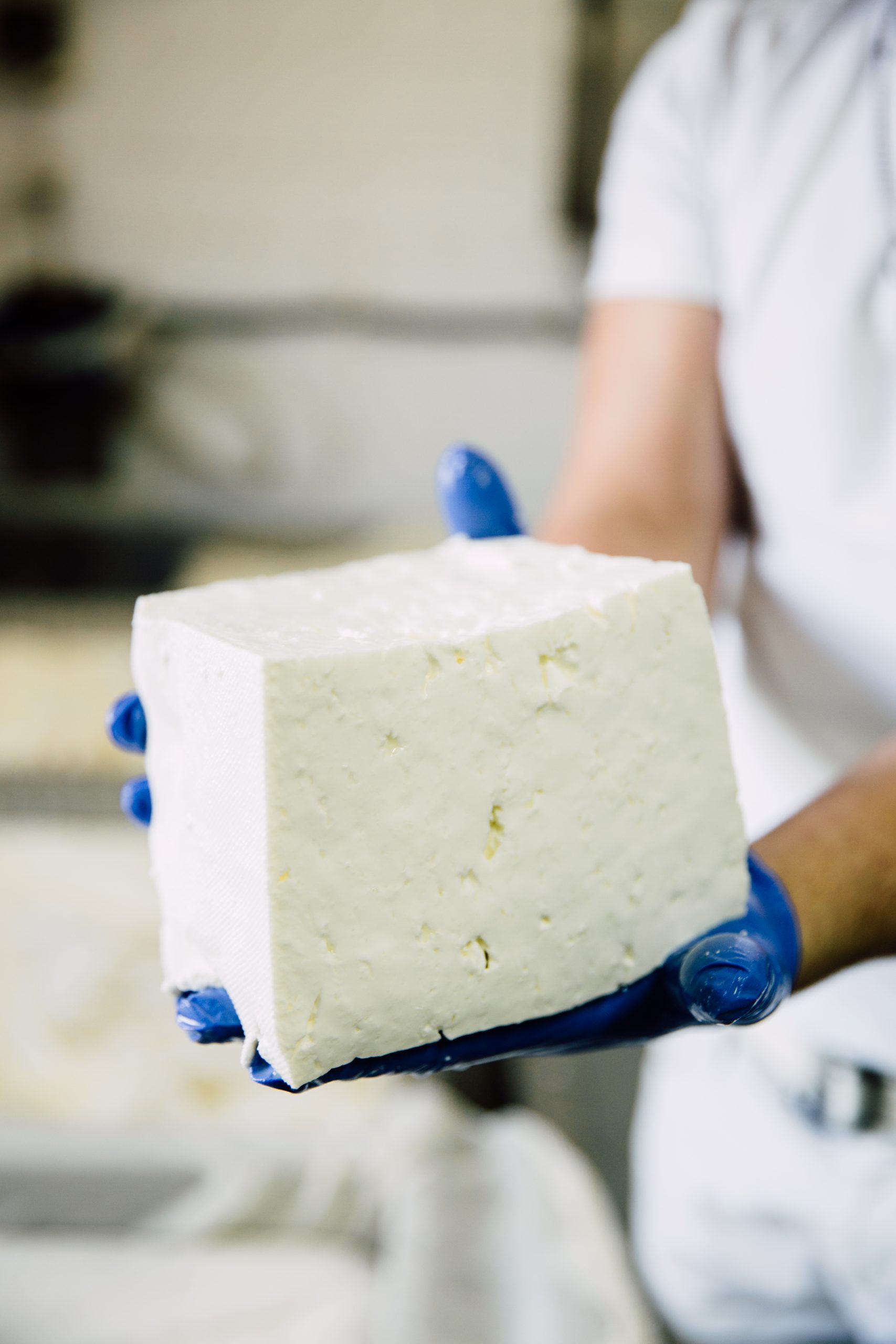
The situation raises crucial questions for Greece’s cheese makers. They now face uncertainty over what these developments will mean for their businesses and the future of authentic feta on the global stage. As the market becomes potentially flooded with alternative products, the authenticity and quality that consumers expect from Greek feta could be compromised.
Producers worry about the broader implications for Greece’s culinary heritage, as feta is not just a product but a part of the country’s identity. As the conflict over the name “feta” unfolds, the future of this beloved cheese hangs in the balance, prompting calls for protection and support from both consumers and government officials.