Ghana delays South African President Cyril Ramaphosa’s visit due to fears of mass protests amid rising xenophobia and diplomatic tensions.
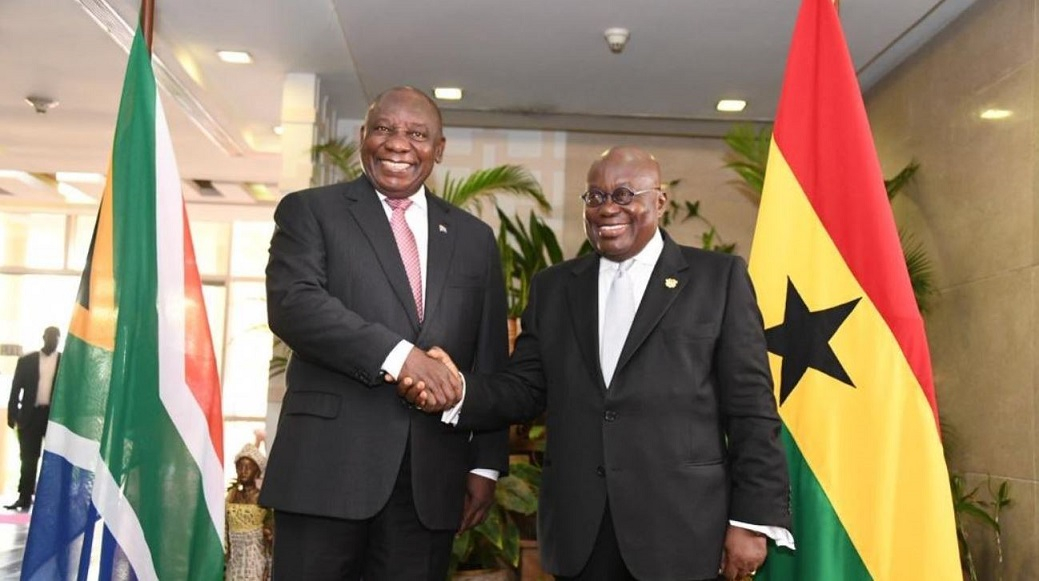
Ghana delays South African President Cyril Ramaphosa’s visit due to fears of mass protests amid rising xenophobia and diplomatic tensions.
Ghana has decided to postpone a scheduled visit by South Africa’s President Cyril Ramaphosa amid rising tensions following xenophobic protests in South Africa. The visit was originally planned for the first week of August, hoping to ease the growing strains between the two nations.
Government spokesman Felix Kwakye Ofosu confirmed the postponement, expressing concern that Ramaphosa’s presence could spark large-scale protests in Ghana. “We sent them a communication indicating that it would be best to defer the visit in view of the present climate around xenophobia,” he stated.
South Africa is actively trying to mitigate the situation, with presidential spokesman Vincent Magwenya underscoring the country’s commitment to strengthening relations with Ghana. He made it clear that the meeting was not a state visit but part of a series of bilateral discussions. Ramaphosa’s administration is eager to find a mutually agreeable date for this engagement.
The backdrop to this diplomatic decision is a series of xenophobic rallies in South Africa that have led to escalating violence against foreigners, prompting other African countries, including Nigeria and Malawi, to repatriate their citizens. Ghana has already brought back over 900 of its nationals from South Africa, with additional repatriations set to continue.
These tensions reached a new peak following the release of a video showing Emmanuel Asamoah, a Ghanaian national, being confronted in South Africa with accusations of not taking care of his home country. The Ghanaian government has since called for urgent action to address these xenophobic sentiments, urging for a fact-finding mission to tackle the recurring violence against foreigners.
The situation has provoked strong reactions from both sides, with Ghanaian officials condemning the alleged killing of Bahiru Isak, another Ghanaian citizen, during protests on June 30. While Ghana claims that Isak was a victim of xenophobic violence, South African authorities have denied such allegations, stating the only Ghanaian casualty was Kwabena Boagen, who died under circumstances unrelated to the protests.
Amidst these reports, the South African justice minister accused the Ghanaian government of spreading misinformation regarding the situation. Accra asserts that the majority of its citizens residing in South Africa possess valid residency documentation, a claim disputed by Pretoria. This legal uncertainty continues to fuel diplomatic friction between the two nations.
In May, Ghana took its grievances to the African Union, advocating for immediate action against the sustained xenophobic attacks in South Africa, citing violations of the African Continental Free Trade Area agreement.
As discussions mature, analysts warn that South Africa risks increased political isolation unless urgent steps are taken to address anti-immigrant sentiments and enhance diplomatic ties within the continent.
Keep in touch with our news & offers
Subscribe to Our Newsletter
Thank you for subscribing to the newsletter.
Oops. Something went wrong. Please try again later.