FIFA’s decision to suspend Folarin Balogun’s ban raises serious questions about World Cup integrity and fairness in football governance.
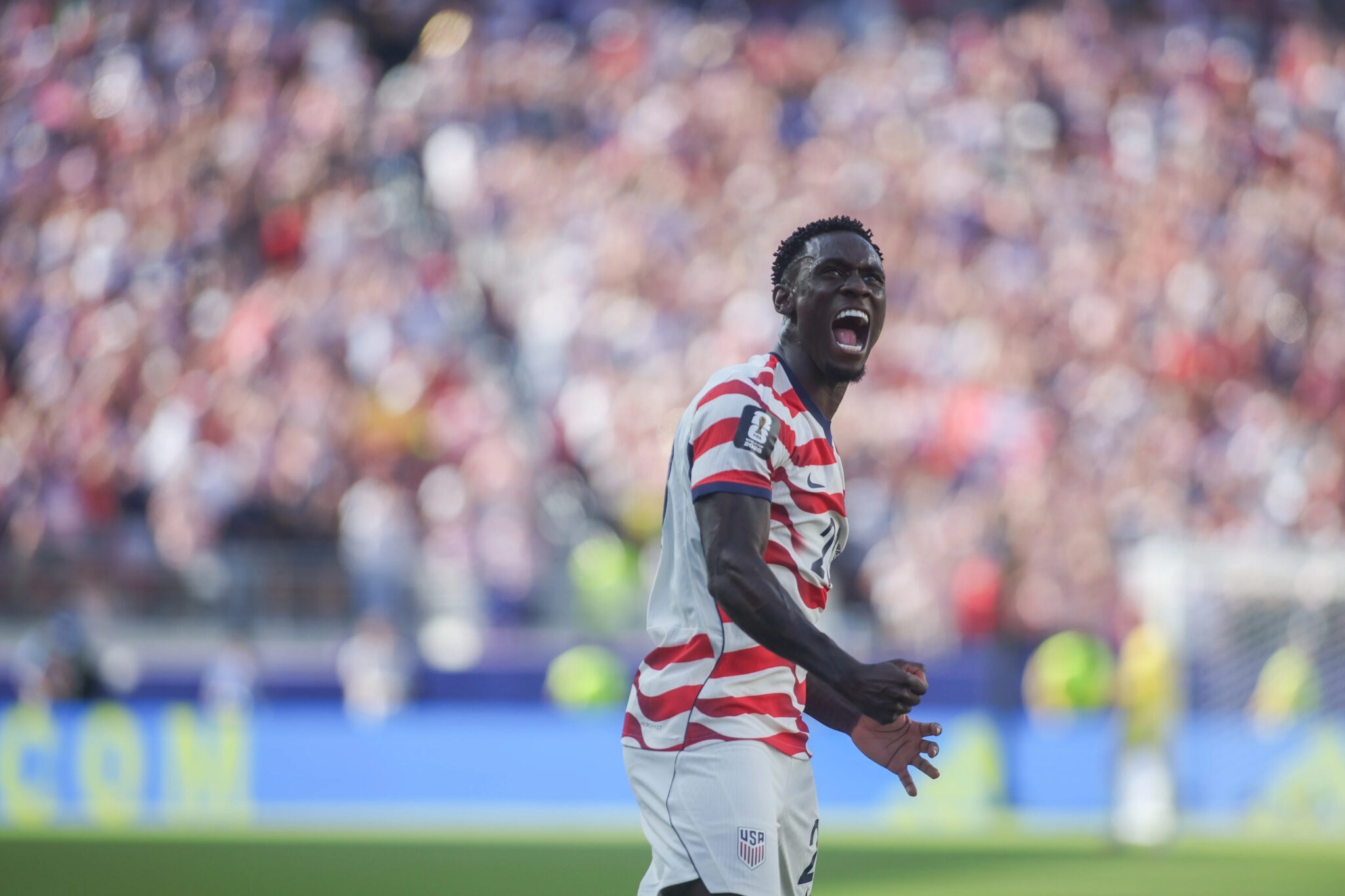
FIFA’s decision to suspend Folarin Balogun’s ban raises serious questions about World Cup integrity and fairness in football governance.
FIFA’s recent decision to suspend Folarin Balogun’s one-match ban has raised questions about the integrity of the World Cup. Initially reported by The Athletic, Balogun’s suspension for a red card during the United States’ match against Bosnia and Herzegovina was lifted, allowing him to participate in the crucial round of 16 match against Belgium. French newspaper L’Equipe added that France is also seeking to nullify Michael Olise’s yellow card from their match against Paraguay at the same tournament stage.
Amid the controversies, U.S. Soccer lodged a formal complaint to FIFA, which prompted intervention from the White House. Reports indicate that U.S. President Donald Trump personally contacted FIFA president Gianni Infantino to urge a review of Balogun’s case.
Following the suspension reversal, Trump expressed gratitude via Truth Social, thanking FIFA for what he perceived as a rectification of a significant injustice. The Belgian Football Association, however, conveyed its astonishment at the decision, referencing Article 66.4 of FIFA’s disciplinary code, which mandates an automatic suspension following a red card.
Belgium’s head coach, Rudi Garcia, voiced the federation’s concerns, stating, “The Belgian federation isn’t just defending itself or the national team; it’s defending football in general — its integrity and its ethics.” The Royal Belgian Football Association confirmed their intention to appeal FIFA’s ruling on Monday.
The situation drew critical comments from UEFA, Europe’s governing football body, which labeled FIFA’s actions as “incomprehensible” and suggested that the decision crossed a line.
This decision not only sparks debate about the integrity of one of football’s premier events but also raises a broader issue of favoritism and influence within the sport’s governing bodies. Previous decisions, such as the leniency shown towards notable players like Cristiano Ronaldo, have already eroded trust in FIFA’s disciplinary practices.
Balogun’s case follows a troubling pattern observed during this World Cup, where officials have appeared to handle disciplinary matters based on player fame rather than consistent application of rules. For instance, players like Miguel Almiron faced suspensions without similar considerations despite being less recognized internationally.
The expectations for fairness in football are at stake, particularly when considering the precedent set by past famous players avoiding penalties for behavior that would usually merit punishment. The apparent lack of process in Balogun’s suspension reversal leads to speculation about the influence of external parties on FIFA’s decisions.
Questions remain about the guidelines governing player discipline. If prominent athletes like Lionel Messi or Kylian Mbappe were to face similar situations, the standards applied could look drastically different following this incident.
The ongoing discourse highlights FIFA’s need for transparency in its disciplinary actions, as failure to provide an explanation for decisions only fuels perceptions of bias and undermines the sport’s integrity. As this World Cup continues, the case of Folarin Balogun will likely serve as a focal point for discussions about fairness and accountability in football governance.
Keep in touch with our news & offers
Subscribe to Our Newsletter
Thank you for subscribing to the newsletter.
Oops. Something went wrong. Please try again later.