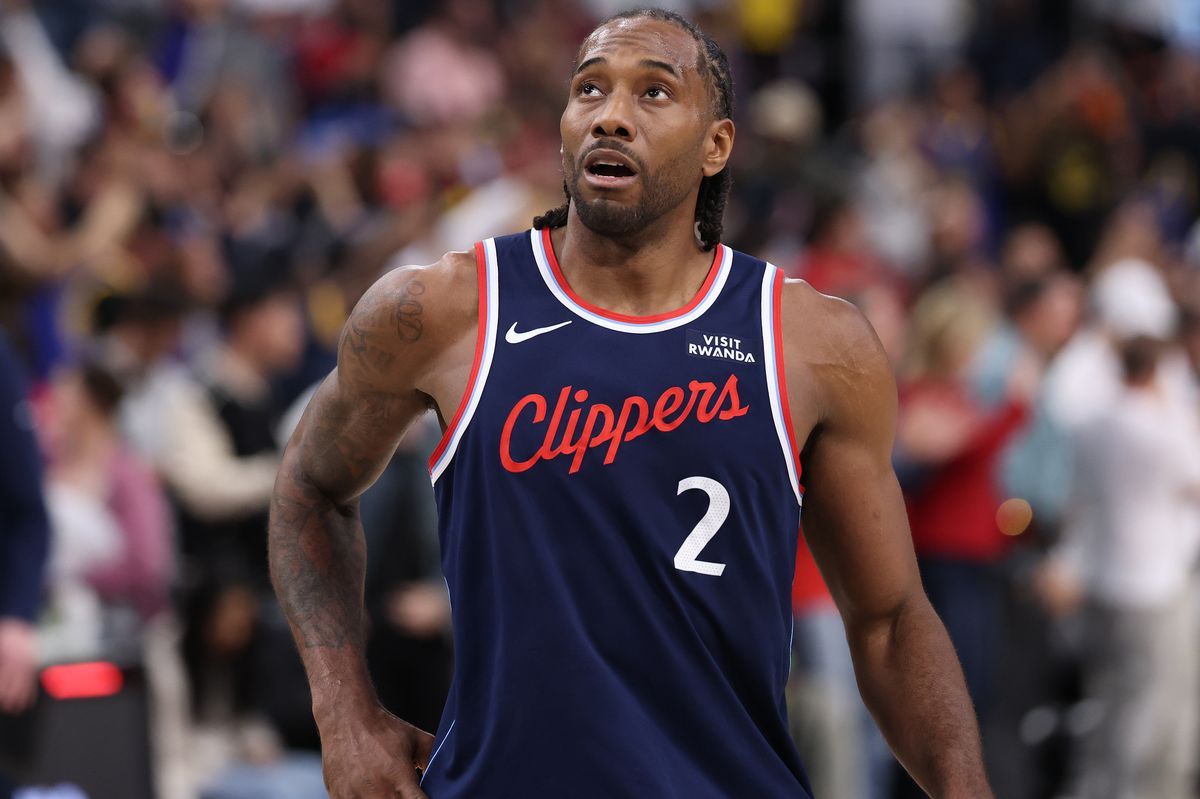
The 2026 World Cup made waves with Americanized traditions. Will hydration breaks and halftime shows continue in future tournaments?
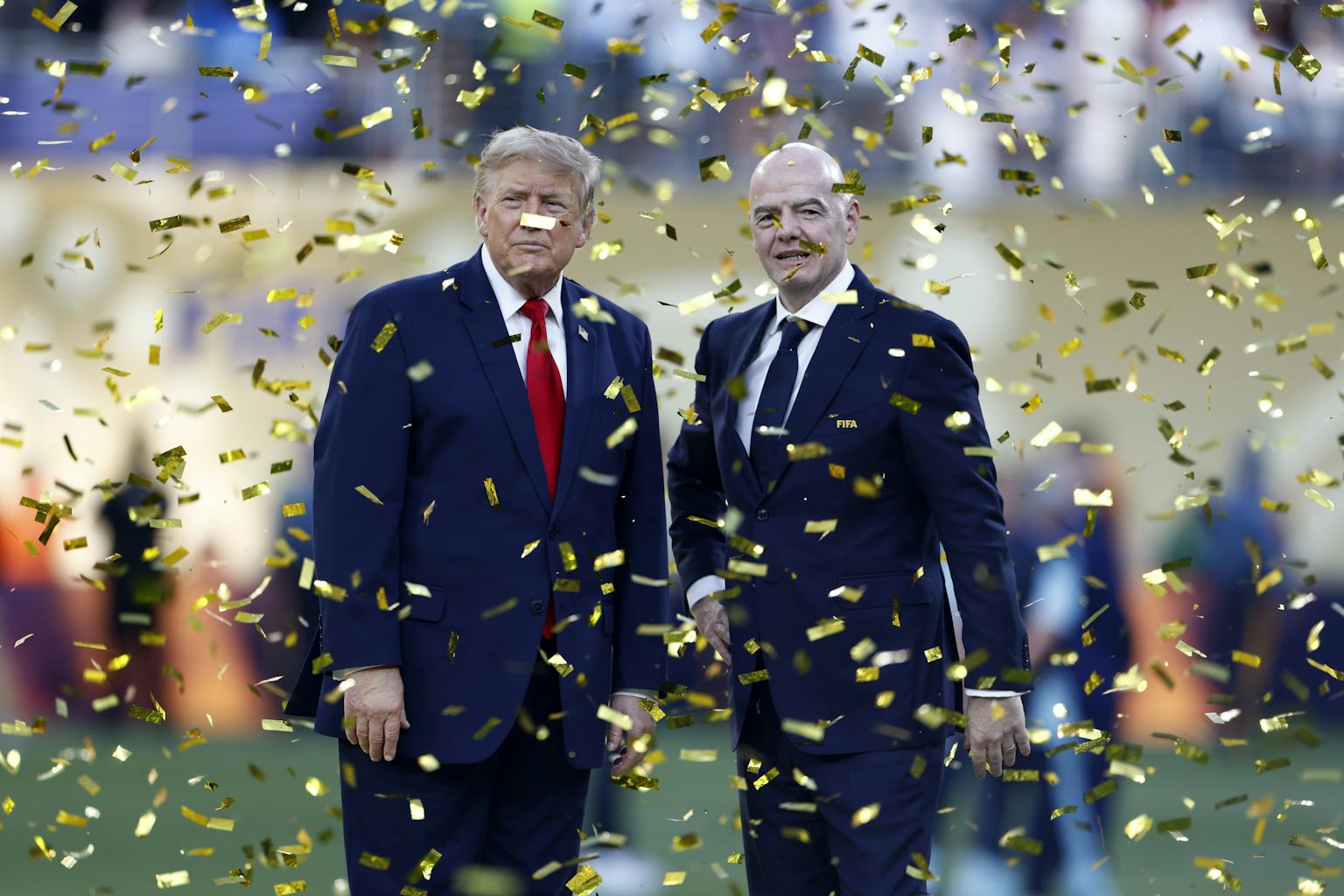
The 2026 World Cup made waves with Americanized traditions. Will hydration breaks and halftime shows continue in future tournaments?
The 2026 World Cup, held extensively in the United States, transformed the tournament experience by introducing distinctly American features that have sparked ongoing discussions about the future of soccer’s biggest event. Over the course of 39 days and across 78 matches, the competition featured everything from celebrity flyovers to high-energy halftime shows, ultimately raising questions about whether these changes will become permanent fixtures.
From the outset, the tournament was marked by an all-American flair. The grand finale showcased pop icons like Madonna and Justin Bieber, and beginning with a unique production that included Donald Trump dancing to the Village People’s “YMCA,” the entire event was a spectacle. Notably, the final match saw championship rings awarded to Spanish players, with replicas for fans available at eye-watering prices of $12,000.
FIFA has long been on a path toward commercialization, and the 2026 tournament seemed to expedite this trend by drawing on American consumerism. This iteration saw ticket prices soar, with fans facing a relentless revenue-maximization strategy. Accusations of selling the “right to buy” tickets illustrated a deepening disconnection with traditional fan engagement, prompting investigations in the U.S. and Europe. FIFA’s high ticket prices raised concerns over accessibility, and those conversations are expected to linger as the organization looks ahead to future tournaments.
The umbrella of Americanization extended beyond the commercial realm, with tactical decisions also arriving at the forefront of World Cup discussions. The introduction of hydration breaks mirrored formats that are typical in American football and basketball, where games are divided into quarters. However, these breaks have drawn criticism for disrupting the flow of matches, particularly since many games occurred in climate-controlled environments.
Proponents of this innovative approach argue it could enhance athletes’ well-being, especially considering the grueling demands of a lengthy tournament schedule. FIFA Secretary General Mattias Grafström acknowledged that while increased revenue is a benefit, ensuring equal conditions for all matches is paramount. He stated, “Having a moment to rest is extremely important” in a competition extending over a month.
As the anticipation builds for the next World Cup in 2030, many are left pondering whether the innovations witnessed in 2026 will continue. With Spain, Portugal, and Morocco as co-hosts, the dynamics surrounding ticketing policy will likely shift due to differing regulations, potentially curbing FIFA’s lucrative ticketing practices.
Past experiences may influence future decisions; FIFA’s American venture has already altered perceptions and expectations, particularly surrounding entertainment value. While tomorrow’s matches may echo the grandeur of major American sporting events, there is hope that they will also embrace the rich cultural traditions of the host nations.
In the meantime, these changes evoke a larger question: Are hydration breaks and star-studded halftime shows mere novelties for American audiences or a glimpse into the future of international soccer?
Keep in touch with our news & offers
Subscribe to Our Newsletter
Thank you for subscribing to the newsletter.
Oops. Something went wrong. Please try again later.