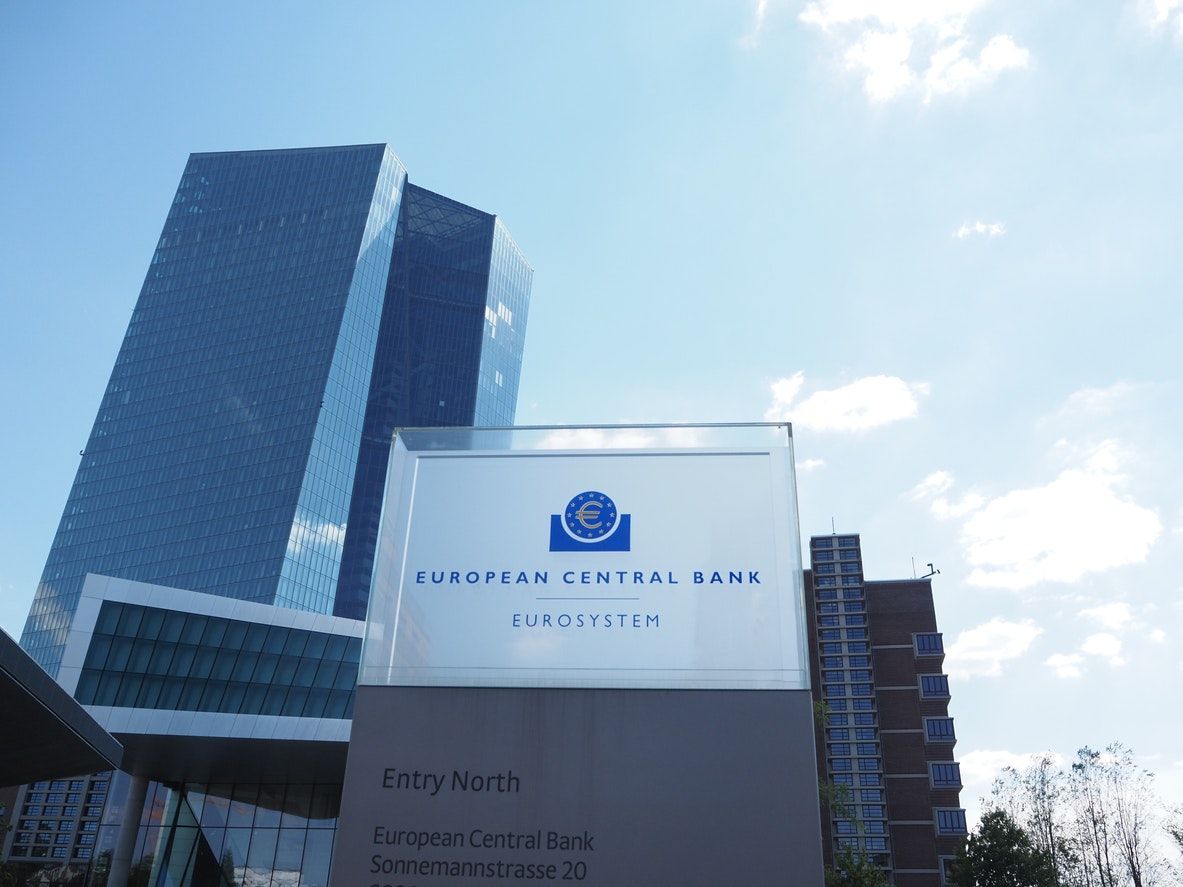
European central bankers express worry about the future of U.S. relations after recent discussions, fearing potential turmoil ahead.
As European central bankers prepare to head back from their annual meeting with U.S. counterparts, unease pervades their discussions surrounding the state of transatlantic relations. Several sources have indicated that they departed the gathering far from reassured about the continuity of norms in global cooperation.
This year’s meeting highlighted significant concerns among European policymakers regarding the potential for increased friction with Washington. The session emphasized long-standing tensions that may escalate, impacting important discussions on monetary policy and global economic stability.
Key European officials reportedly conveyed feelings that recent developments in U.S. policy introductions could complicate already sensitive diplomatic bonds. Amidst ongoing controversies and established debates within U.S. political circles, Central Bank representatives underscored the necessity for both sides to adhere to collaborative efforts.
The discussions come at a pivotal moment, as Europe prepares to navigate its own economic challenges while dealing with a partner that seems increasingly unpredictable in its international relations. A sense of urgency was palpable, particularly in addressing the need for coherence and support when facing economic adjustments and monetary policy implications.
The meeting also served as a reminder of the critical role played by international relations as Europe gears up for policy decisions that will shape the continent’s financial landscape. The European Central Bank’s ongoing commitment to its objectives hinges substantially on stable relations with the United States.
As the year unfolds, both European central bankers and their U.S. counterparts may need to recalibrate their approaches to ensure that cooperation remains attainable. Policymakers on both sides seem aware that any shifts in diplomatic relations could yield profound impacts, not just regionally but across global markets as well.
While the intricacies of financial governance and international cooperation demand engagement, more turbulence in U.S.-European relations could complicate the necessary discussions required to tackle pressing fiscal matters in the dual effort of economic recovery.
As they leave the annual meeting, central bankers have been left with serious apprehensions about looming challenges ahead and the influence they could have on both sides of the Atlantic. Maintaining the delicate balance of collaboration will be vital as they navigate a landscape that is becoming ever more intricate.