The EU has imposed anti-dumping tariffs on terephthalic acid from South Korea and Mexico to protect producers in Belgium, Poland, and Spain.
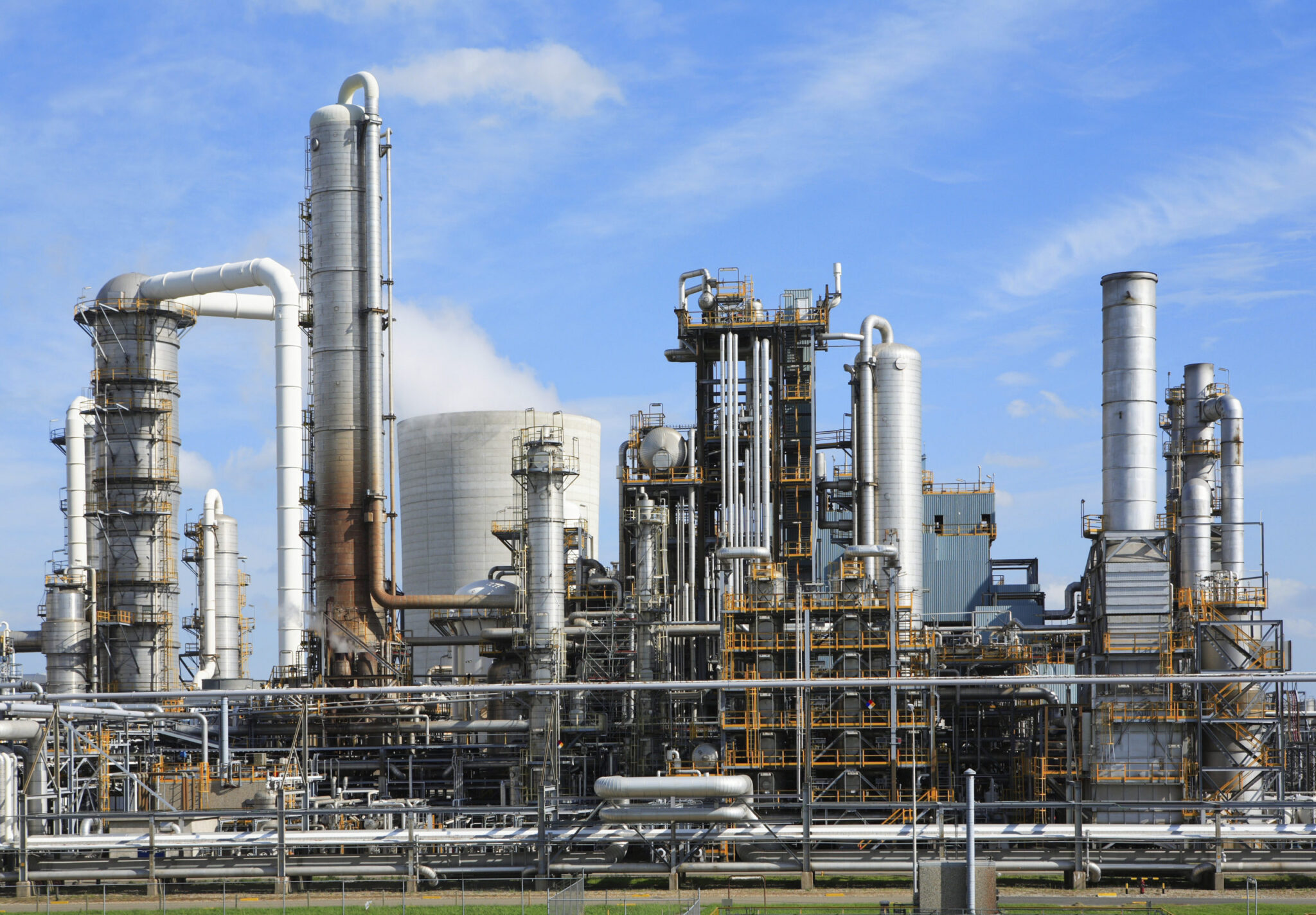
The EU has imposed anti-dumping tariffs on terephthalic acid from South Korea and Mexico to protect producers in Belgium, Poland, and Spain.
The European Union took a significant step on Monday by imposing tariffs on terephthalic acid, a crucial raw material used in the production of polyethylene terephthalate (PET), commonly found in plastic bottles and containers. This decision has major implications for manufacturers in South Korea and Mexico, who have been exporting this chemical to European markets.
In an effort to shield local producers, particularly those in Belgium, Poland, and Spain, the EU’s tariffs are aimed at ensuring fair competition within its internal market. These measures come as part of the EU’s broader strategy to regulate imports that could harm local industries.
Terephthalic acid is utilized extensively in the creation of plastics, leading to its high demand across Europe. The imposition of tariffs is expected to elevate the costs associated with importing this material, potentially impacting the pricing and availability of PET products across the continent.
The decision was made following assessments that indicated that the imports from South Korea and Mexico were being sold at unfairly low prices, a practice known as dumping. By implementing these tariffs, the European Union aims to create a more equitable market environment that benefits local manufacturers who were struggling to compete against lower-priced imports.
Officials from the European Commission stated that this action reflects the EU’s commitment to protecting its domestic industries while also ensuring compliance with international trade regulations. The tariffs are expected to ramp up the scrutiny of future imports and could lead to further investigations into trade practices by foreign manufacturers.
Consumers in the EU may feel the effects of these tariffs through increased prices for plastic products, as manufacturers adjust to the higher costs of terephthalic acid. The move represents a balancing act for the EU, which is tasked with fostering economic growth while also ensuring fair trade practices.
As the situation develops, stakeholders across the plastic manufacturing sector will be keeping a close watch on how these tariffs will affect their operations and pricing strategies moving forward.
Keep in touch with our news & offers
Subscribe to Our Newsletter
Thank you for subscribing to the newsletter.
Oops. Something went wrong. Please try again later.