Juan Jesús Vivas condemns Morocco’s role in Ceuta border crisis as Spain demands EU solidarity amid unprecedented migrant surge.
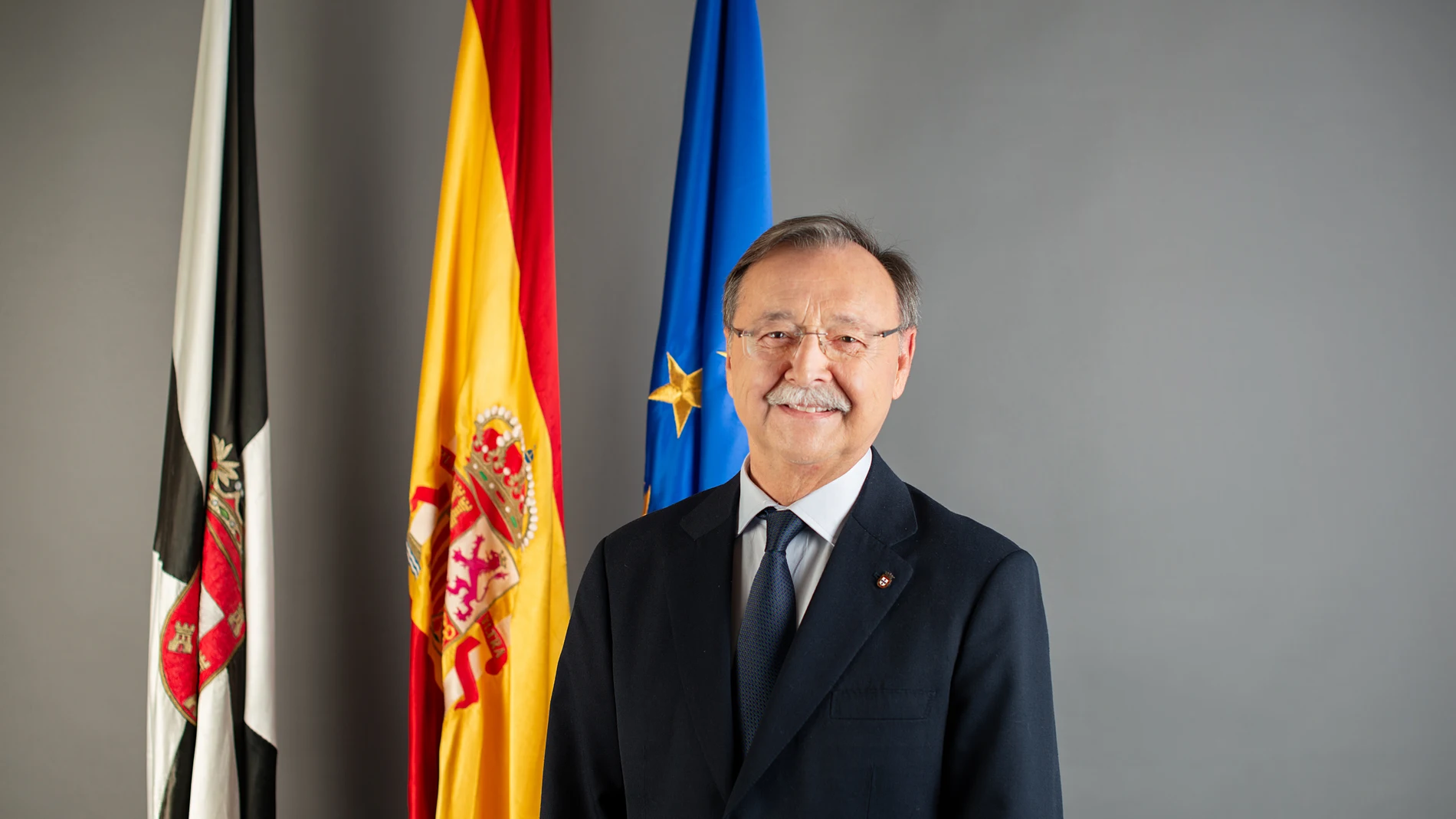
Juan Jesús Vivas condemns Morocco’s role in Ceuta border crisis as Spain demands EU solidarity amid unprecedented migrant surge.
Juan Jesús Vivas, the leader of the Spanish enclave of Ceuta, has accused Morocco of facilitating a mass border crossing that has overwhelmed the territory, calling it an attack on Spain’s sovereignty. Vivas stated that the recent influx of migrants was at least “encouraged or permitted by Morocco,” igniting a political outcry within the European Union.
Officials in Spain reported that approximately 69,500 people had crossed into Ceuta from Morocco in a short span last week, although many have since returned. Only about 2,500 migrants are believed to still be in the enclave, which has a population of 84,000.
This rapid surge has created a humanitarian crisis, with Vivas describing it as “an atrocity.” He noted the high death toll, with 88 bodies currently in morgues. “Residents of Ceuta are watching this unfold with sadness and concern, viewing this not merely as a migration issue, but as a violation of territorial integrity,” he remarked in an interview.
Drawing parallels to a similar incident in May 2021, Vivas emphasized that previous relations with Morocco have been strained before, particularly during diplomatic spats involving Western Sahara. Recent warming relations between Spain and Algeria may have prompted a reaction from Rabat.
Spain’s defense minister, Margarita Robles, added weight to Vivas’ claims, urging Morocco to investigate their part in the crisis. She stated, “Neither Spain nor Morocco can turn a blind eye to this tragedy.” This sentiment was echoed by Spanish intelligence assessments highlighting Morocco’s failure to prevent the surge, pointing to a hoax circulating on social media that suggested the borders were open.
As of Monday, many migrants continue to sleep outdoors in Ceuta, with hundreds remaining without shelter. Some individuals, like Ashraf, a 28-year-old Moroccan, recounted harrowing experiences while crossing the border. “You might see me smile a little, but inside I’m shattered,” he expressed, reflecting on the perilous journey involving swimming past bodies in the sea.
The crisis has also led to calls from within the EU for Spain to potentially be suspended from the Schengen Agreement, following criticisms from countries like Italy. Spanish Foreign Minister José Manuel Albares emphasized the need for solidarity from EU partners, stating that several nations had failed to meet expectations during the crisis.
Ursula von der Leyen, President of the European Commission, commended Spain’s rapid response and suggested the upcoming EU meeting would provide insights into strengthening border control. The incident has unmasked broader issues regarding migration policies in Europe and the role of misinformation, especially following reports of pro-Russian networks misusing the situation for their own agendas.
Keep in touch with our news & offers
Subscribe to Our Newsletter
Thank you for subscribing to the newsletter.
Oops. Something went wrong. Please try again later.