Exploring Andy Burnham’s efforts to unite a divided Britain amidst social and political challenges.
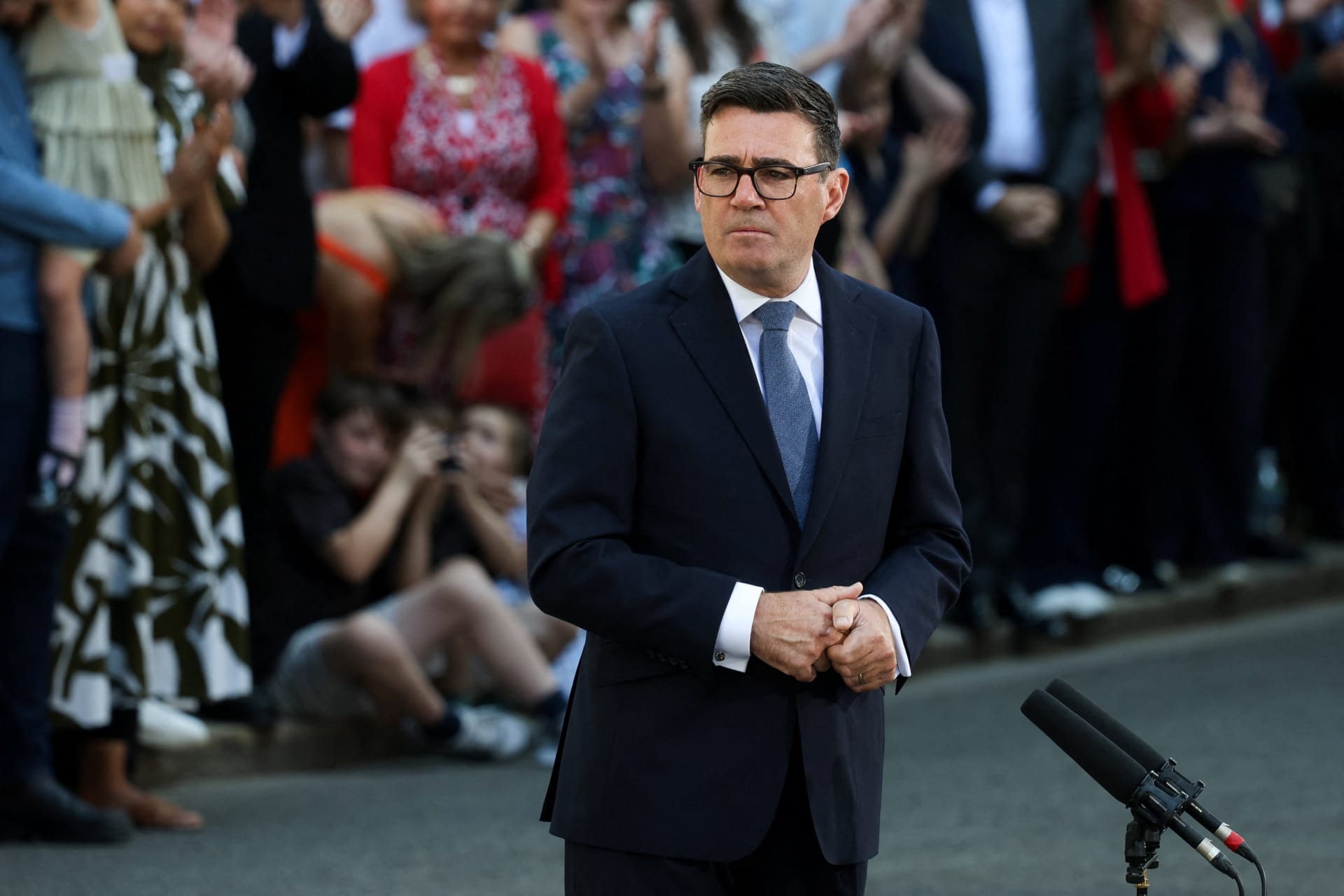
Exploring Andy Burnham’s efforts to unite a divided Britain amidst social and political challenges.
In an era marked by discord, Andy Burnham, the newly appointed Prime Minister of the United Kingdom, faces the daunting task of uniting a country rife with divisions. Reflecting on the current socio-political landscape, many express fears of a potential civil war in a society experiencing significant unrest.
As Burnham begins his tenure, he has urged citizens to prioritize local pride over political identities. He champions a rallying cry of ‘Place first, not party first,’ hoping to bridge the societal gaps that have widened in recent years.
Emphasizing a need for unity, Burnham’s message becomes all the more urgent amid the backdrop of a nation seemingly on the brink of fracture. Polling conducted by the More in Common research institute illustrates the nation’s divided preferences concerning community compositions. The figures reveal a tight split: 53% favor diverse communities, while 47% prefer homogeneity, showing a stark polarization that could impede consensus on national issues.
Interestingly, when it comes to immigration, public sentiment appears more aligned. Approximately three-quarters of Britons believe immigration levels are too high, echoing Burnham’s own sentiments during his campaign, where he called for a balanced approach to the issue.
Additionally, Burnham’s tasks extend beyond national policies to local concerns, as citizens across small towns express their discontent with economic inequality and social neglect. A window installer named Jason shared his frustrations about changes in his community, explaining how these shifts have reinforced existing racial and cultural divides. “Sometimes it’s very hard to take an inquiry on the phone. You’re doing a quote on the windows and you just really can’t communicate,” he lamented, illustrating the complexities of navigating an increasingly diverse society.
The need for a cohesive national narrative resonates with various community figures. Hannah Henderson, who operates a dog-friendly coffee shop, recounted witnessing protests against asylum seekers, revealing how visibility and inclusion can shape community perceptions and create feelings of safety or fear.
Against this backdrop, the economic disparities between prosperous cities and struggling post-industrial towns become increasingly evident. Residents of economically challenged areas often express a sense of being left behind, fueling frustration towards wealthier urban centers. Fiona Hill, chancellor of Durham University, emphasized the significance of providing equal opportunities across all regions, highlighting that health, education, and transport inequalities foster deeper divisions.
As communities grapple with their histories and identities, the concept of national belonging has evolved. Cultural elements that once unified are now sources of contention, with the English flag itself becoming a polarizing symbol. Playwright James Graham articulated a sentiment that many share, stating, “Some people get bigger roles than others in that story, historically,” pointing to the exclusion felt by various communities within the broader national narrative.
Despite the overwhelming challenges, there remains a glimmer of hope. A considerable portion of the population expresses pride in their localities, with surveys indicating that 70% regard their neighborhood as a good place to live. This local pride could serve as a foundation for Burnham’s vision of unity.
While the road ahead will undoubtedly be complicated, Burnham’s emphasis on local connections as a means to foster national unity could prove pivotal. Each community’s advancement could contribute to a more cohesive country, aligning with Burnham’s belief that enhancing local areas can ultimately lead to a stronger national identity.
Keep in touch with our news & offers
Subscribe to Our Newsletter
Thank you for subscribing to the newsletter.
Oops. Something went wrong. Please try again later.