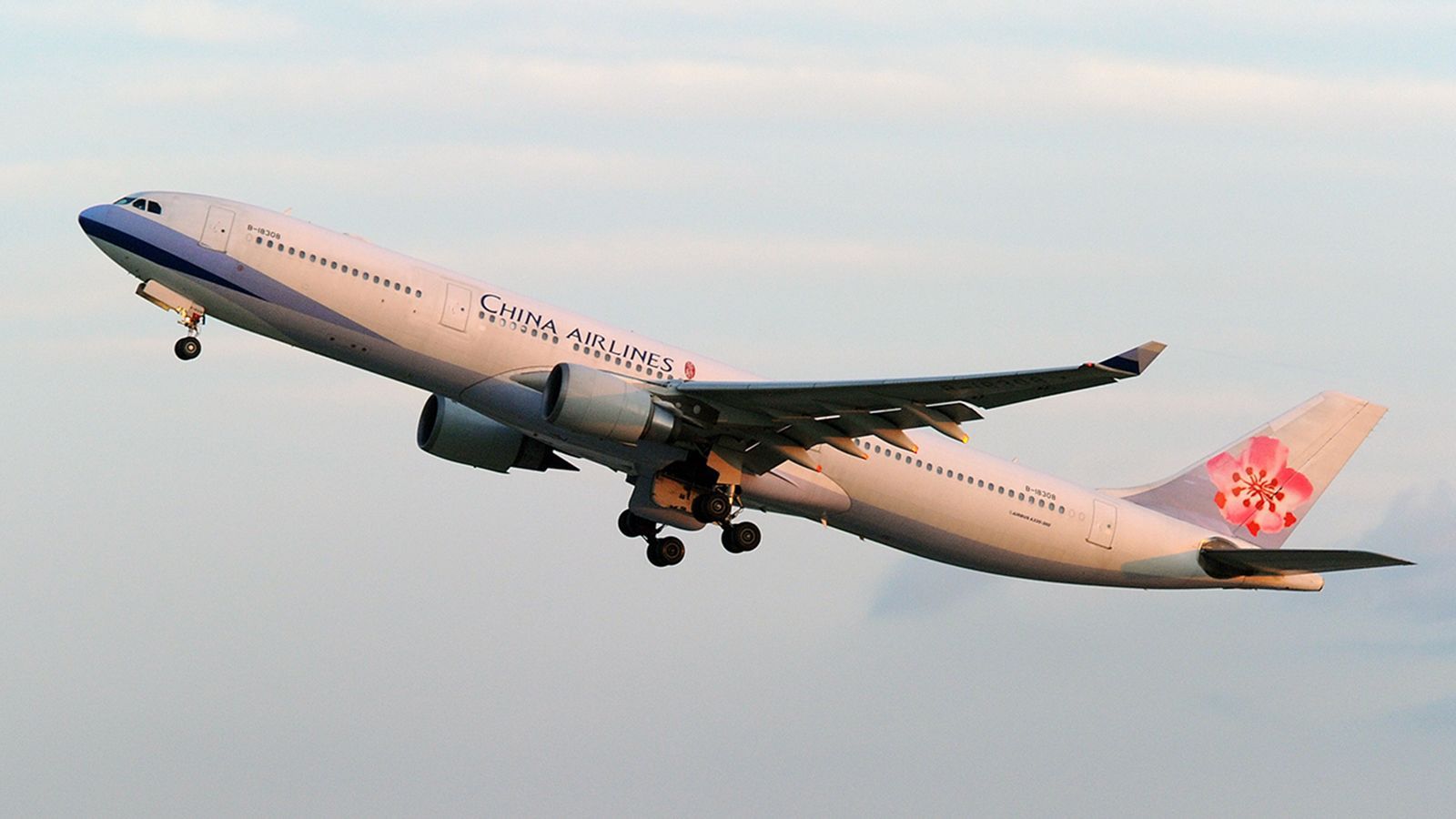
China’s three largest state-owned airlines reported considerable financial losses in the first half of the year, marking the seventh consecutive year of downturns. The companies—China Southern Airlines, China Eastern Airlines, and Air China—were heavily affected by soaring jet fuel prices, which have placed substantial pressure on their operations.
China Southern Airlines experienced a staggering loss of 10.44 billion yuan (approximately $1.52 billion) in the first half of 2023. This represents a notable deterioration compared to a loss of 7.4 billion yuan reported during the same period in 2022. The airline stated that increasing fuel costs, coupled with the ongoing economic challenges, have hindered its recovery efforts.
Similarly, China Eastern Airlines reported a loss of 6.9 billion yuan, worse than the 5.8 billion yuan loss from the previous year. The airline acknowledged that rising jet fuel prices have significantly impacted its profit margins, limiting its capacity to rebound from the pandemic’s effects.
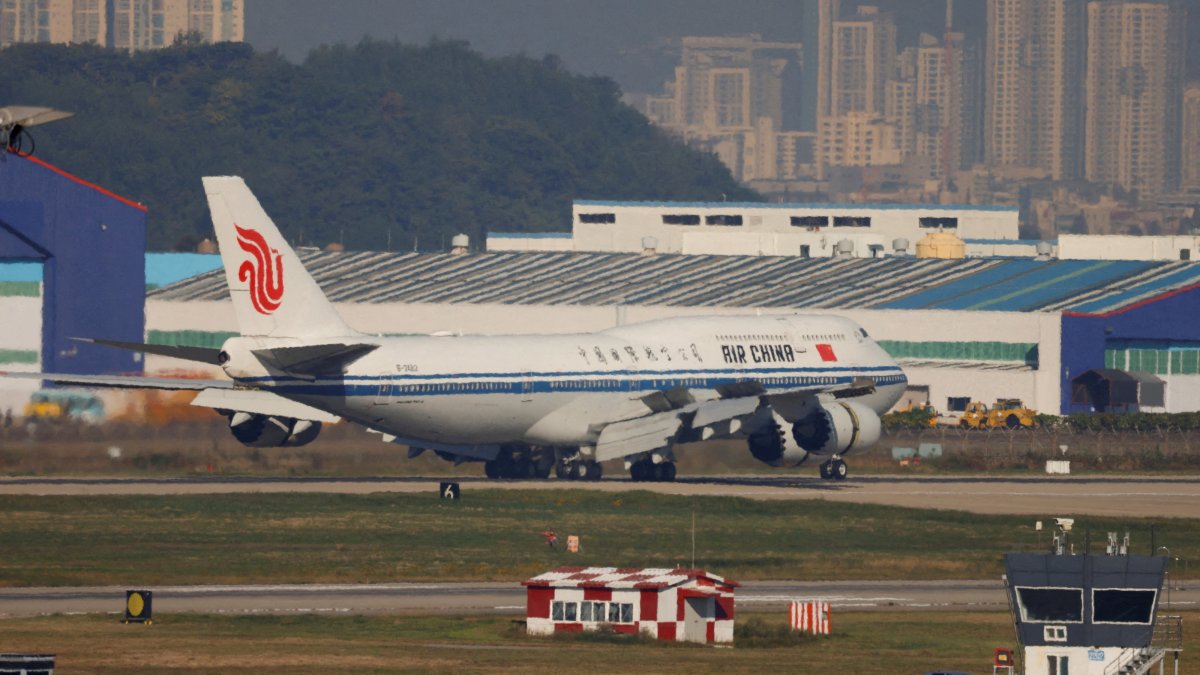
Air China, the third major player in this trio, also posted losses. It reported a 6.92 billion yuan deficit, compared to a 5.67 billion yuan loss last year. The airline cited rising operational costs and fluctuating demand as major contributors to its financial struggles.
These results come at a challenging time, as the domestic aviation industry was recently expected to recover alongside China’s broader economy. However, the ongoing effects of the pandemic, alongside elevated fuel prices, have created a challenging operating environment.
Fuel prices have seen a dramatic increase, doubling the costs that airlines had to contend with compared to the year prior. This increase has not only impacted profitability but has also clouded the outlook for the remainder of the year. Many analysts remain cautious about the airline industry’s recovery, particularly with the summer travel season proving lackluster.
The airlines have reported a drop in passenger numbers, with demand estimated to remain sluggish. As the companies look ahead to the potential for recovery, the necessity for increased operational efficiency and strategic management of fuel consumption will be critical. Meanwhile, the government support that previously aided the industry during the pandemic may become less available, placing further challenges on these airlines.
As fuel costs continue to rise, the future remains uncertain for these major players in China’s aviation sector, with expectations of further losses unless there are significant improvements in operational management and a rebound in consumer demand.