European Leagues president Claudius Schafer calls for Gianni Infantino’s departure and significant reforms within FIFA’s leadership structure.
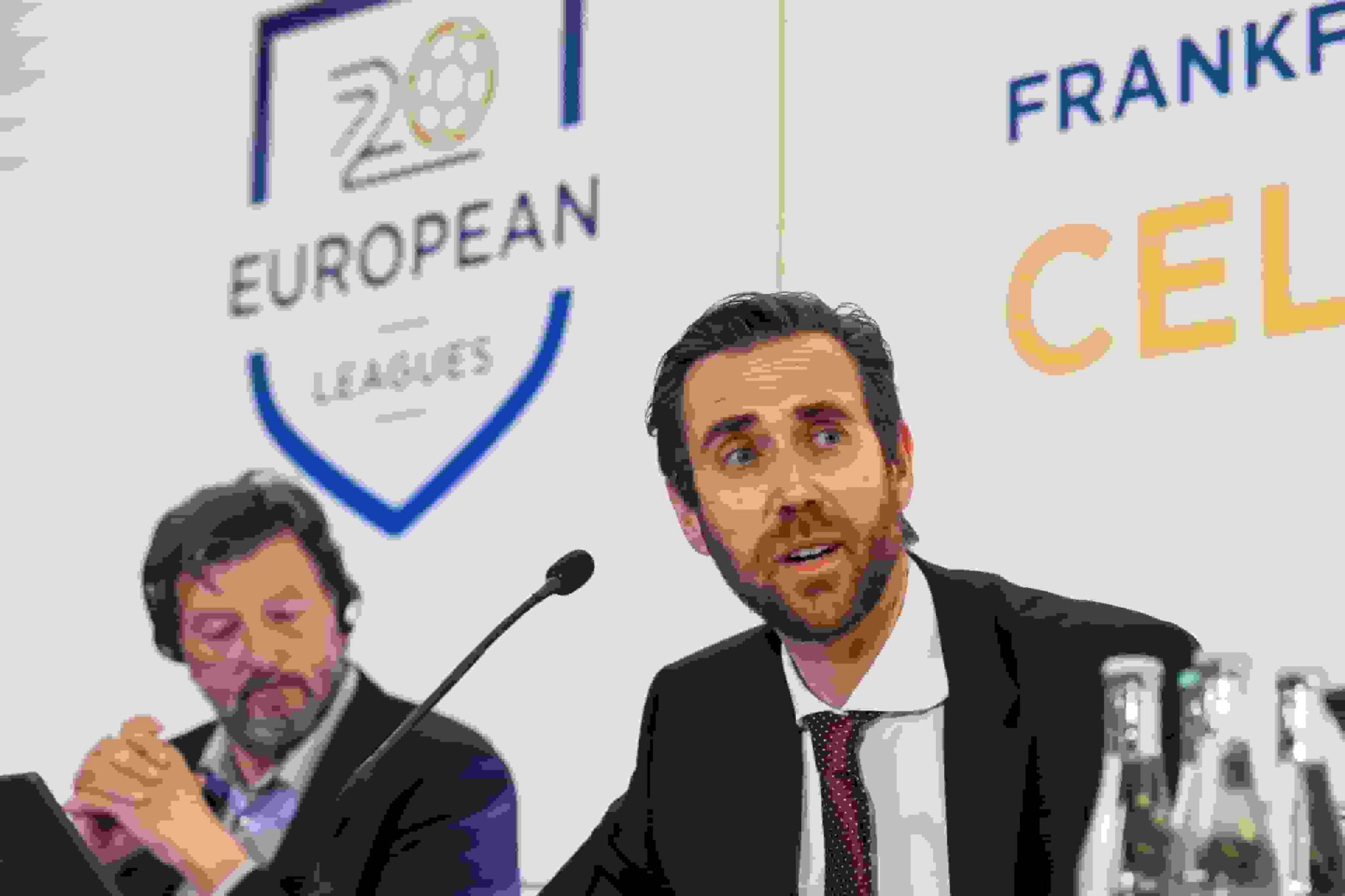
Claudius Schafer, the president of European Leagues, has called for Gianni Infantino to step down, stating there is “no future at FIFA” for him. While the potential leadership change is notable, Schafer emphasizes that overhauling FIFA’s governance is of utmost importance.
In an interview, Schafer explained that the ongoing crisis at FIFA has roots extending several years, stemming from Infantino’s increasingly centralized governance style and his lack of consultation with critical stakeholders, including clubs, fans, leagues, and players worldwide.
This failure prompted the European Leagues to formally complain to the European Commission about FIFA’s alleged breaches of competition law nearly two years ago. As the situation evolves, Schafer remains optimistic that these recent developments will bolster their case and prompt the Commission to investigate FIFA’s decision-making processes.
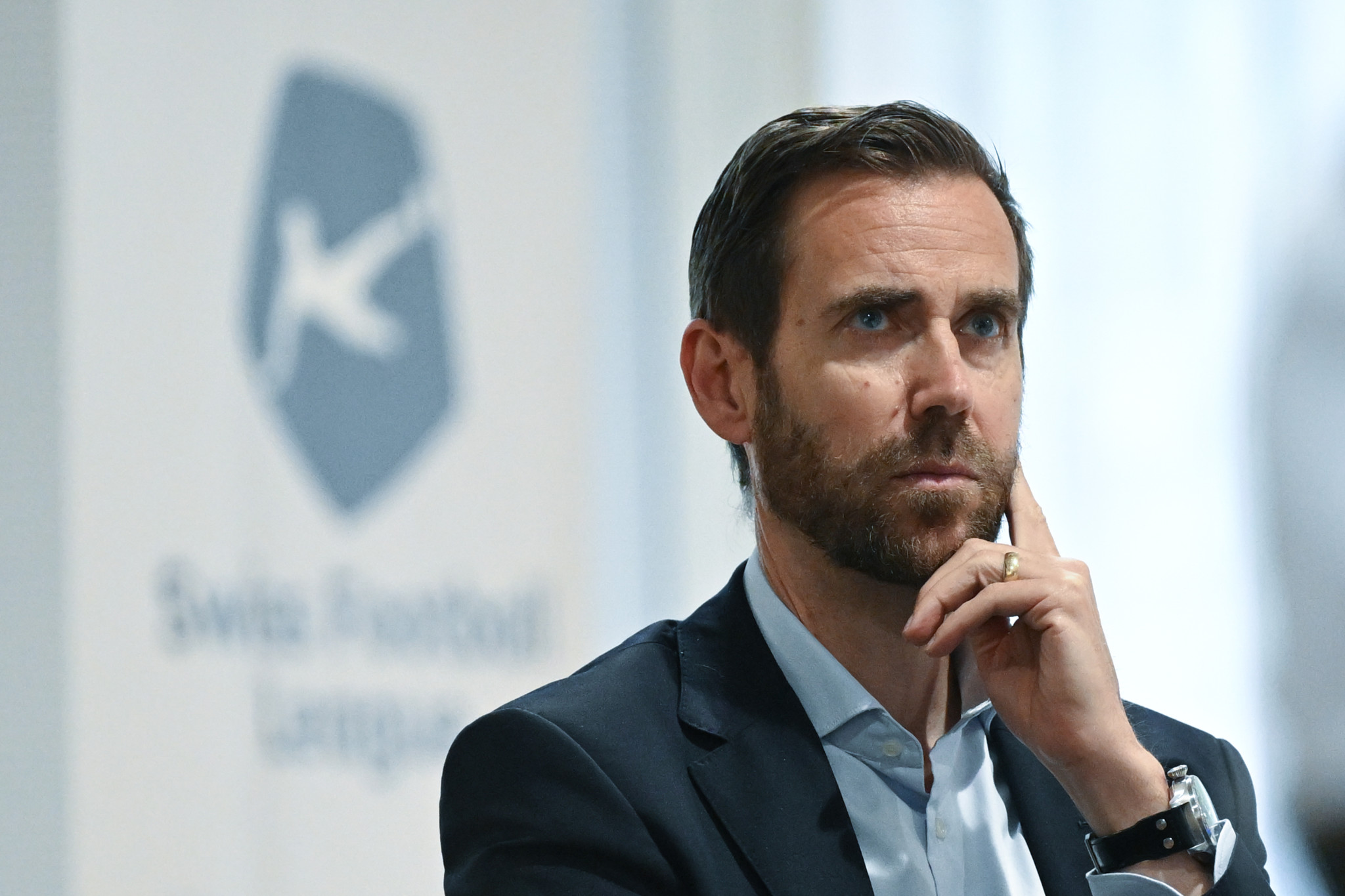
Schafer stated, “We are deeply concerned about his leadership. We question his suitability to continue as president.” He pointed out that significant decisions are often made without meaningful stakeholder input, prompting their complaint regarding FIFA’s management of the international match calendar.
Recent controversies, including Infantino’s involvement with the FIFA Forward Enterprise and the previous year’s FIFA Peace Prize announcement, have reinforced the perception of inadequate governance. Schafer described the Peace Prize decision-making as a potential legal breach, emphasizing the president’s accountability under Swiss law.
Infantino’s governance style faced scrutiny after he recently revealed the leaked FIFA Forward Enterprise plan, which faced immediate backlash, leading him to withdraw the proposal and issue apologies for the secrecy attached to it. However, he confirmed his intention to run for a fourth term in March during FIFA’s congress in Rabat.
With tensions rising, Schafer expressed confidence that candidates opposed to Infantino would emerge, solidifying their standpoint against his leadership. Yet, he stressed that redefining the role and responsibilities of the FIFA president is essential for the future.
Schafer reflected on FIFA’s past promise for reforms initiated after the 2015 arrests at the Baur au Lac hotel, which preceded Infantino’s election. He believes the current administrative challenges necessitate a leader who can facilitate change. He supported the idea of rotating the presidency among FIFA’s confederations to dilute power concentration.
Furthermore, Schafer is closely watching FIFA’s 37-member council, questioning its inaction during this critical juncture. He stated, “I’m waiting for some action from the council. Where are they?”
A potential European Commission investigation into FIFA’s governance could be a game-changer. Schafer revealed that discussions with key individuals in Brussels have been constructive, raising hopes for a favorable outcome that may compel FIFA to make necessary reforms.
He expressed concern over FIFA’s conflict of interest as a regulatory body and a competition organizer, highlighting that FIFA’s desire to expand tournaments like the Club World Cup must consider the holistic functioning of football at all levels. He called for a fair and balanced approach in addressing the competitive landscape.
Schafer reiterated the importance of providing stakeholders a meaningful say in FIFA’s decisions, stating, “We want to be at the table.” He pointed out that FIFA must respect the grassroots level of the sport and understand the implications of its decisions on domestic leagues.
As the landscape of international tournaments evolves, Schafer noted the growing strain on players due to increased competition dates. He remarked on the need for balance in the football ecosystem, emphasizing that changes should not disproportionately impact leagues that have established norms over decades.
In conclusion, as European Leagues pursue their objectives, they seek not just change in leadership but a reevaluation of how FIFA operates at a foundational level.