Meta has agreed to a settlement up to $16.7 billion over allegations of designing addictive platforms for teens, prompting significant changes.
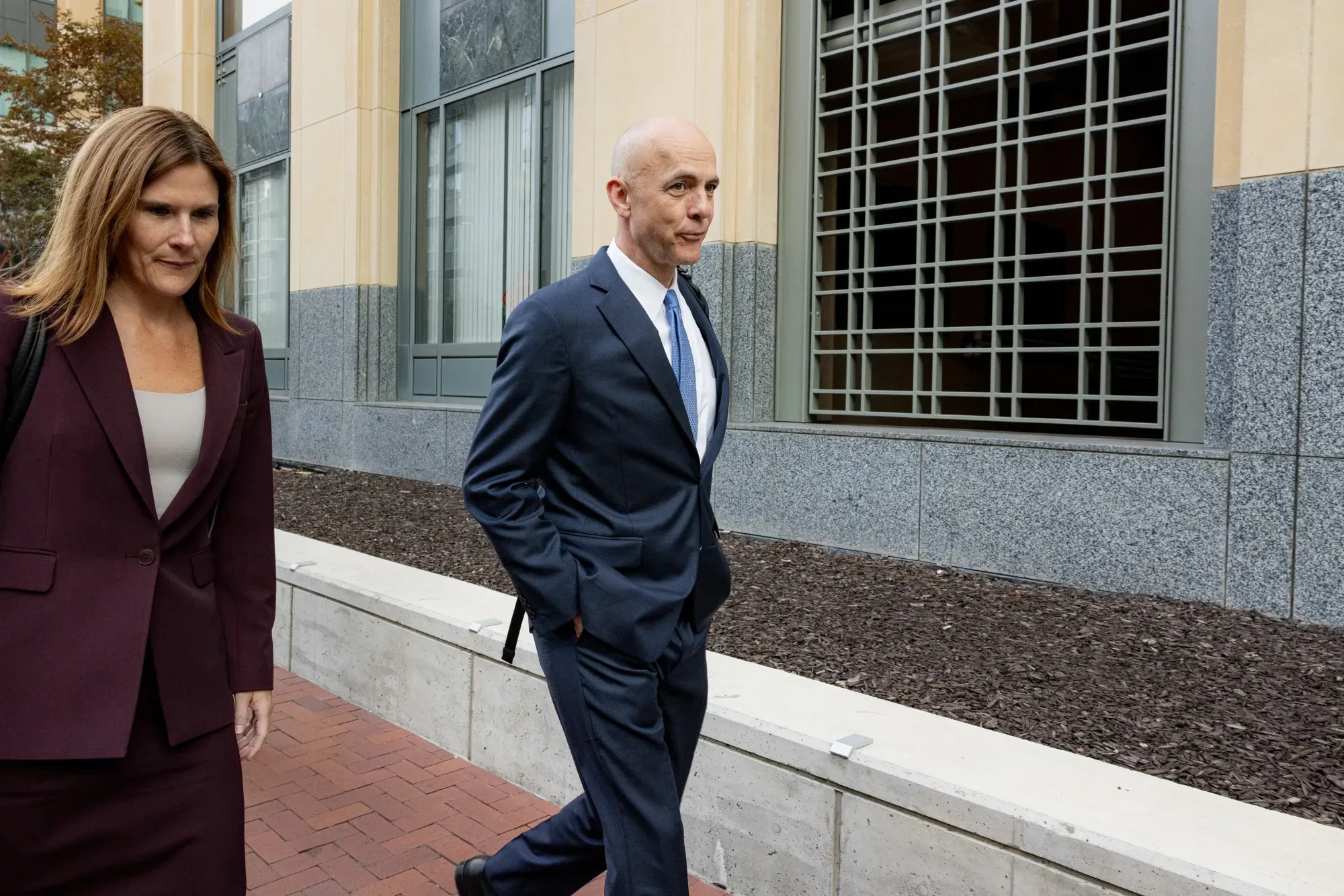
Meta has agreed to a settlement up to $16.7 billion over allegations of designing addictive platforms for teens, prompting significant changes.
Some significant changes are on the horizon for teen users of Meta platforms following a lawsuit settlement. The social media giant, which owns Facebook and Instagram, has agreed to resolve the allegations that its platforms were designed to addict young users, with the total settlement amount reaching up to $18 billion, as revealed in court filings and an official Meta blog post.
The settlement entails a series of new regulations for teen users, including a daily usage limit of two hours and a ‘default block’ on app usage during nighttime hours. According to Meta, these protections will automatically apply to users under 18 on both Instagram and Facebook, pending judicial approval of the settlement terms. Currently, the federal judge overseeing the trial has yet to approve this agreement.
In its blog post, Meta emphasized the importance of providing a safe and productive experience for teens on its platforms, stating, ‘Ensuring teens have a safe and productive experience on our platforms is an absolute imperative for Meta.’ The company expressed its commitment to collaborating with state attorneys general to establish new industry standards aimed at protecting young users.
Notably, more than $5 billion of the settlement amount hinges on YouTube and TikTok agreeing to implement similar restrictions for their teen users. However, representatives from both platforms did not respond to requests for comment regarding the settlement at that time.
The financial settlement will be distributed among 47 states, the District of Columbia, and various American territories. California Attorney General Rob Bonta commented on the development: ‘We have secured a settlement with Meta that will make social media less dangerous for our kids and make a world of a difference for children and their families.’
The significant settlement marks a milestone, as Kate Winick, a principal analyst at Forrester, noted, ‘The multi-billion-dollar settlement represents the largest penalty we’ve seen thus far for a social media platform.’
Immediately following the announcement, Meta’s stock dipped by less than 1%. Minda Smiley, a senior analyst at EMARKETER, pointed out that the settlement carries weight, not just due to the financial implications but also because it indicates that Meta recognizes its legal arguments are falling short in court.
The changes for under-18 users are significant; the daily time limit of two hours can only be extended by a parent. If YouTube and TikTok agree to similar terms, the daily limit could drop to one hour. Additionally, Meta will enforce a nighttime block on app usage from 12 a.m. to 6 a.m. for teen users, preventing them from posting or viewing content during those hours.
Meta’s proposed changes also include disabling non-safety-related push notifications from 10 p.m. to 7 a.m. for under-18 users, further curbing their engagement during late night hours. Additionally, push alerts will be halted from 8 a.m. to 3 p.m.
Notably, Meta CEO Mark Zuckerberg did not testify during the trial, which commenced on August 18. The settlement allows him to avoid taking the stand. Just a day before the settlement announcement, Instagram’s head executive, Adam Mosseri, provided testimony in court.
This latest legal battle isn’t Meta’s first major confrontation this year. In March, a New Mexico jury determined that Meta must pay $375 million for another case focused on child safety. The total fines increased to $942 million following additional rulings. Furthermore, both Meta and YouTube faced negligence accusations in a separate case in Los Angeles.
As Meta prepares to navigate these new changes, the company has stated its intention to appeal both the New Mexico and Los Angeles rulings. In a moment of reflection on the recent past, it’s worth noting that Meta faced a major antitrust suit with the Federal Trade Commission, which concluded with a ruling that the tech giant was not a monopoly last year.
Keep in touch with our news & offers
Subscribe to Our Newsletter
Thank you for subscribing to the newsletter.
Oops. Something went wrong. Please try again later.