China has pledged to safeguard its interests after the US widened sanctions against Iran, which impacts its oil trade with Tehran.
China has pledged to safeguard its interests after the US widened sanctions against Iran, which impacts its oil trade with Tehran.
China has vowed to protect its interests following the announcement by the United States of plans to extend economic sanctions against Iran and its trading partners, including Beijing. Foreign ministry spokesman Lin Jian expressed China’s firm opposition to what it deems “illegal unilateral sanctions,” stating that the nation would take “all necessary measures” to safeguard its rights.
This came after US Treasury Secretary Scott Bessent publicly announced new measures on Monday, warning that any country financially interacting with Iran would face isolation. As the largest buyer of Iranian oil, China’s trade has suffered but continues to persist despite the US blockade of Iran’s ports.
Lin reiterated, “Cooperation between China and Iran has always been conducted within the framework of international law and should not be interfered with or disrupted.” He did not target specific nations but mentioned that US President Donald Trump would be contacting world leaders with specific requests to halt their cooperation with the Iranian regime.
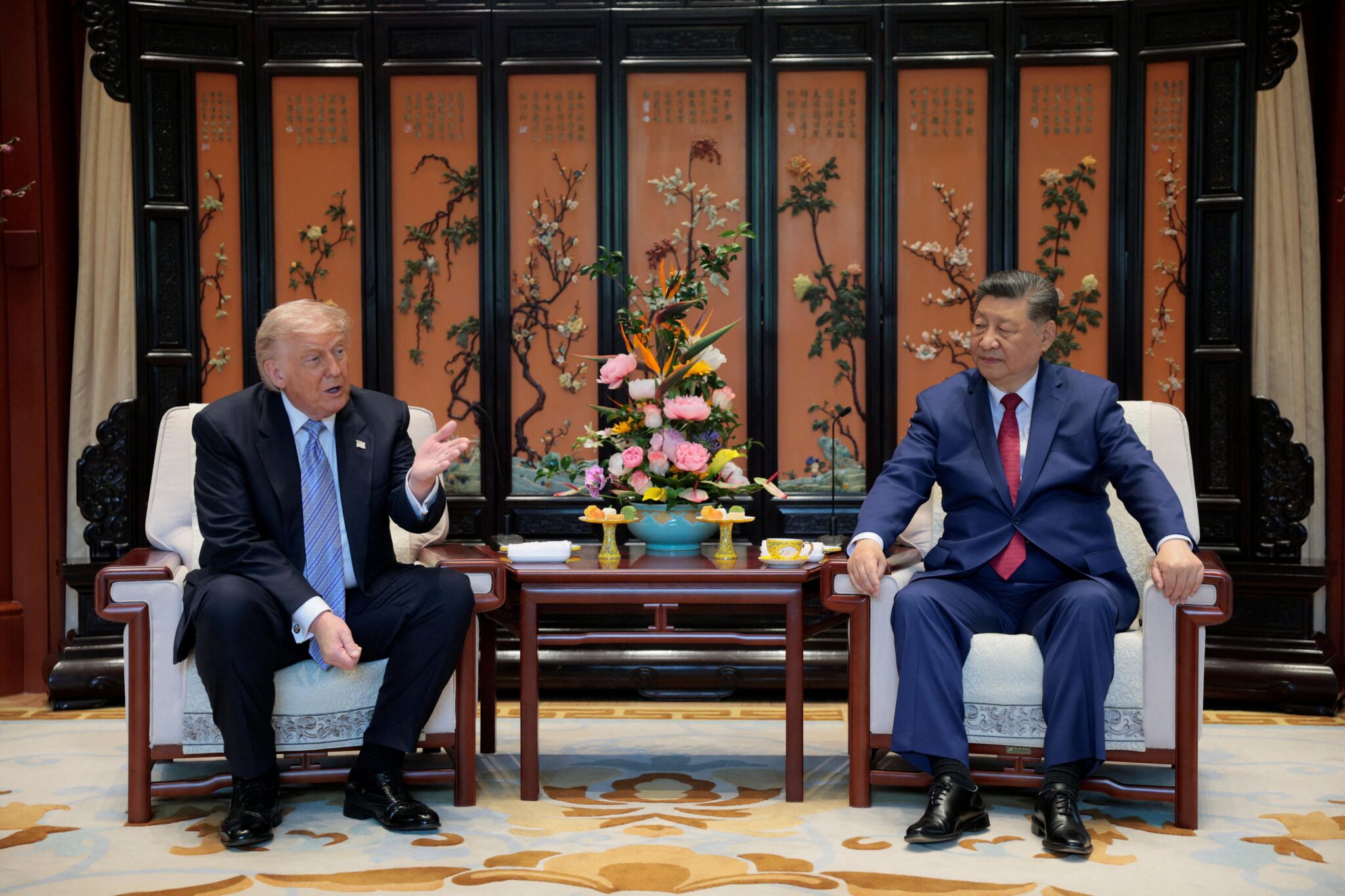
However, in a response regarding Chinese banks, Bessent clarified that no entity would be immune from the enforcement of US sanctions. This announcement arrives on the eve of planned discussions between Trump and Chinese President Xi Jinping next month.
Washington remains cautious regarding possible retaliation from Beijing, particularly since China processes a substantial portion of the world’s rare earths and critical minerals vital for high-tech manufacturing. Beijing has previously tightened its export controls on rare earths as part of negotiations with the US.
In a related context, Iranian Economy Minister Ali Madanizadeh has declared Tehran’s readiness for the wider sanctions, asserting that it would lead to another defeat for the US. He noted, “The government is and was ready and has a two-year plan to manage these events,” informing state television that Tehran is prepared for such challenges.
In its new sanctions campaign, the US has labeled its latest strategy “Operation Economic Outcast,” branding it as an “economic D-Day” against Iran. This initiative comes almost six months into the ongoing conflict over Iran, which has contributed to increased oil prices globally, as Tehran has effectively constrained exports through the vital Strait of Hormuz. The US has also slowed maritime traffic due to its own blockade.
Attempts for a diplomatic resolution have faltered recently, with a 60-day ceasefire expiring last week and no clear path towards a settlement. In the wake of the sanctions, Bessent asserted, “We are no longer managing the Iranian threat, we are ending it.”
While Iran remains heavily sanctioned, Bessent indicated that the current measures expand upon earlier restrictions. He noted that the Treasury has thoroughly mapped financial channels and networks used by Iran to circumvent sanctions in its oil trade, imposing new sanctions on nearly 60 entities, individuals, and vessels.
However, analysts have questioned the anticipated impact of these sanctions. David Oxley, chief climate and commodities economist at Capital Economics, stated that the direct effect on Iran’s energy revenue would likely be “somewhat of a damp squib,” suggesting that the new package would limit short-term impact on Iranian energy flows since approximately 90% of Iran’s oil is exported to China, which has historically ignored US sanctions.
Ali Vaez from the International Crisis Group recognized that China typically opposes unilateral sanctions and often complies with international regulations, but has historically maintained its stance against US-imposed restrictions. Meanwhile, Iran’s neighboring countries—Pakistan, Turkey, and Iraq—are seen as wanting to maintain healthy ties with the US, although they are unlikely to cut off relations with Iran given economic considerations.
As the geopolitical tension continues to evolve, the dynamics surrounding Iran and the US sanctions present complex challenges for international relations.
Keep in touch with our news & offers
Subscribe to Our Newsletter
Thank you for subscribing to the newsletter.
Oops. Something went wrong. Please try again later.