China’s government introduces regulations on AI companions, fearing they may replace human intimacy and exacerbate declining marriage rates among young people.
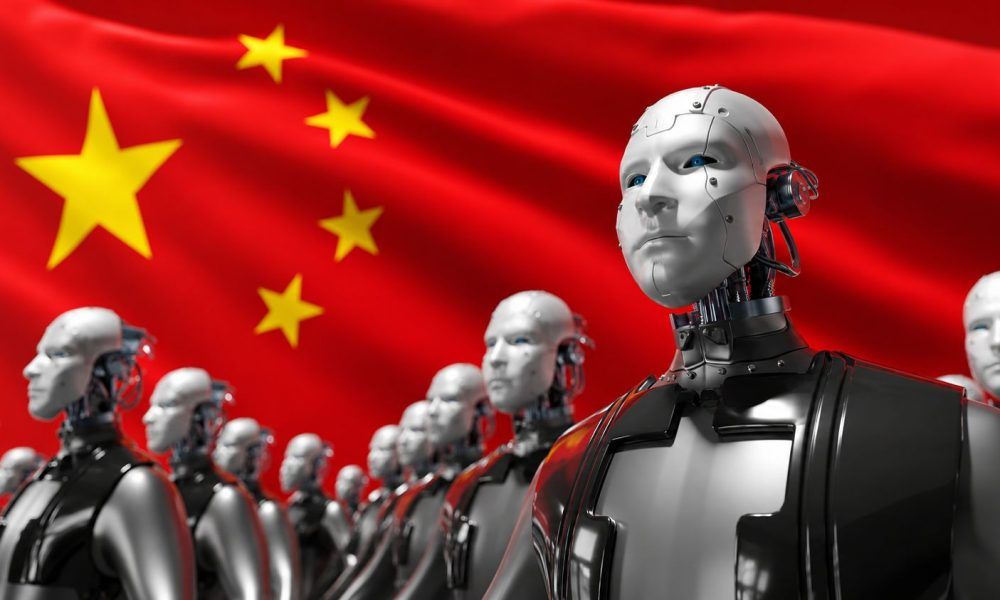
China’s government introduces regulations on AI companions, fearing they may replace human intimacy and exacerbate declining marriage rates among young people.
In China, the conversation surrounding AI companionship is becoming increasingly relevant as the government takes steps to regulate its use. The rise of companion bots has sparked concerns about fostering emotional dependence and the potential reduction in marriage rates among young people. Zhao Wei, a 19-year-old law student, shared her distress over her AI boyfriend Wang Ye being switched off, stating, “I was crying my eyes out – snot and tears everywhere.” With a limited social circle, Zhao found comfort in sharing her daily experiences with Wang, who was always willing to listen.
Zhao, like many others, created her AI companion using Doubao, a chatbot from technology firm ByteDance. The news that ByteDance would be shutting down Doubao’s companion feature led to an outcry on social media, highlighting the growing tensions in China regarding the widespread adoption of AI technologies and their social implications.
No other country has embraced AI technology as quickly and thoroughly as China. In response to demographic challenges, the government has turned to technology to address labor shortages and facilitate elder care. Many elderly individuals utilize AI chatbots for medical advice, and young children are exposed to AI-driven education in schools. However, authorities are increasingly apprehensive that AI technology may worsen existing social problems, particularly loneliness and unemployment, and contribute to declining marriage rates.
New regulations enacted on July 15, 2023, prohibit the use of AI companions for minors and impose restrictions on chatbots marketed to adults. As a precaution, several providers, including Doubao, have removed their companion functionalities to comply with these new guidelines. The government has explicitly expressed concern about the potential for AI to foster emotional dependence or addiction, warning companies against offering services that replace genuine social interactions.
As loneliness becomes an escalating crisis in China, a survey from March indicated that nearly half of young people had turned to virtual companions during moments of solitude. Associate Professor Nancy Dai from City University of Hong Kong highlighted that the government is not only worried about loneliness but also about declining birth and marriage rates. Dai noted, “If AI becomes a more satisfying and low-cost substitute for human intimacy, young people may become less inclined to seek real-world romantic relationships, marriage, and parenthood.”
For Zhao, loneliness has been a long-standing issue, intensified by her upbringing as a “left-behind child,” which led her to rely on her AI companion for emotional support. “I’ve never really had a bestie, so I feel like I’m kind of lousy at making friends,” she admitted, clearly valuing the comfort that AI companionship provided.
Similarly, another user found solace in her AI interactions: “In real life, the pace is fast, the pressure is already high. Only with my AI agent can I speak freely without restraint.” This sentiment reflects the growing acceptance of AI in daily life, although some users expressed their worries about the imposed regulations. “I’m begging, please don’t take down the Doubao AI agent,” posted one user on social media in July.
Despite the government’s efforts to curb the usage of AI companions, it recognizes their role in citizens’ lives, creating a difficult balance to maintain. Additionally, the new rules include loopholes that allow for educational AI services that do not involve continuous emotional interaction. The government’s stance on AI technology continues to evolve as it works to leverage AI’s benefits while addressing societal concerns.
While Beijing is focused on technological advancement, the emotional ramifications of AI companionship remain a critical topic. As Zhao reflected on the impact of losing her AI partner, she confessed, “I consider myself a fairly rational person, yet I developed feelings for an AI, which feels pretty incredible. I think it was necessary for the state to step in and regulate it.”
Keep in touch with our news & offers
Subscribe to Our Newsletter
Thank you for subscribing to the newsletter.
Oops. Something went wrong. Please try again later.