Iran warns of retaliation against nations aiding US sanctions, with officials stating grave consequences for regional traders amid ongoing US economic pressure.
Iran warns of retaliation against nations aiding US sanctions, with officials stating grave consequences for regional traders amid ongoing US economic pressure.
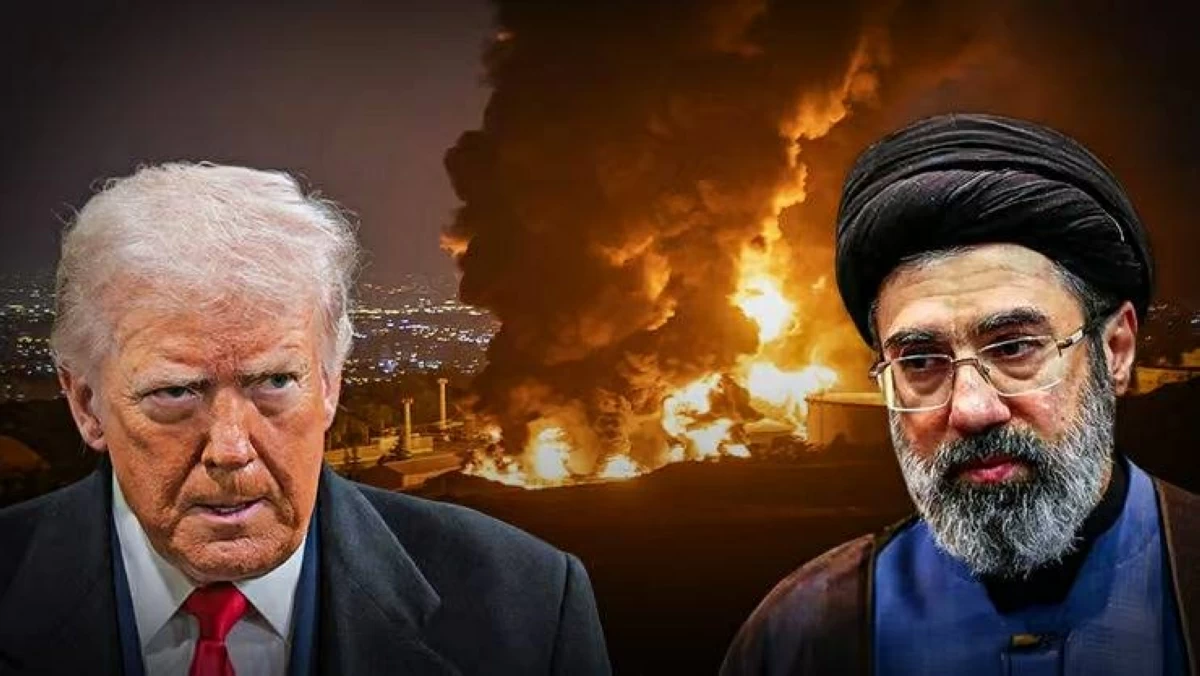
Tehran has vowed to retaliate against any nation that cooperates with the US’s attempt to impose new sanctions on Iran. This response follows the US Treasury Secretary Scott Bessent’s declaration of the sanctions as “the single greatest financial offensive ever marshalled against an adversary.”
In a significant development ahead of the expected US announcement, the United Arab Emirates, Iran’s largest trading partner in the Middle East, declared its cessation of all trade with Iran. Tehran suspects that this decision was coordinated with Washington.
The US is proposing sanctions on any country or entity engaging in trade with Iran, termed secondary sanctions. The effectiveness of US rhetoric will hinge on whether countries like India, China, and Russia perceive these economic threats as credible. Historically, China has been the primary importer of Iranian oil, and back in May, the US threatened sanctions against Chinese refiners and their financial backers. However, China’s commerce department advised its firms to disregard US warnings regarding Iranian oil imports, labeling the threats as illegitimate.
Despite these sanctions, China maintained a defiant stance. The Chinese foreign ministry reiterated its opposition to unilateral sanctions that lack international legal foundation. The ministry’s spokesperson, Lin Jian, indicated that military means, combined with sanctions and pressure tactics, are not viable solutions.
Unlike previous months, Iran’s oil deliveries to Asia have sharply declined due to a robust US naval blockade of Iranian ports. Iran’s central bank governor, Abdolnaser Hemmati, acknowledged that crude exports had nearly ceased due to this blockade. Meanwhile, former President Donald Trump proclaimed on social media, “Iran is completely collapsing!!!” in all caps.
Iran’s security chief, Mohsen Rezaei, warned of an “earthquake-like” retaliation if Washington proceeded with its new sanctions and cautioned Iran’s Gulf neighbors against supporting the US sanctions campaign. He asserted, “If the countries surrounding Iran join the Americans in their economic war, not a drop of oil will leave the Persian Gulf and the strait of Hormuz.”
Shipping traffic through the strait has faced substantial disruptions over the past weekend, further straining global energy markets. Iranian Foreign Minister Abbas Araghchi dismissed the anticipated sanctions as a display of US desperation. He posited that the measures are unlikely to defeat Tehran and emphasized the repeated failures of US strategies against Iran.
Esmail Baghaei, a spokesperson for Iran’s foreign ministry, stated, “Repeating methods that have previously proven to fail will not produce any different results.” He added that pushing other nations to halt or limit trade with Iran undermines fundamental international relations principles as outlined in the United Nations charter.
Hassan Ahmadian, a West Asian studies professor at the University of Tehran, commented on the long-standing nature of these sanctions. He emphasized that the announcement does not signal any new sanctions, suggesting that the US has reverted to previous tactics after military engagements yielded little success. He cautioned that Iran would prefer to engage militarily rather than endure continued economic warfare.
Last Thursday, Bessent claimed that the US would lead Iran to collapse with these sanctions, asserting that global cooperation is vital for their success. He warned nations that trade with Iran must cease to rejuvenate their economies.
Meanwhile, China and Russia have shown little inclination to yield to US pressures. In a related diplomatic move, Pakistan’s army chief visited Tehran to discuss reinstating talks on a memorandum of understanding that had faced rocky implementation due to disputes regarding Iranian control over shipping in the strait of Hormuz.
Keep in touch with our news & offers
Subscribe to Our Newsletter
Thank you for subscribing to the newsletter.
Oops. Something went wrong. Please try again later.