Four individuals have been arrested in Kenya amid an investigation into the suspected poisoning of elephants due to illegal pesticides.
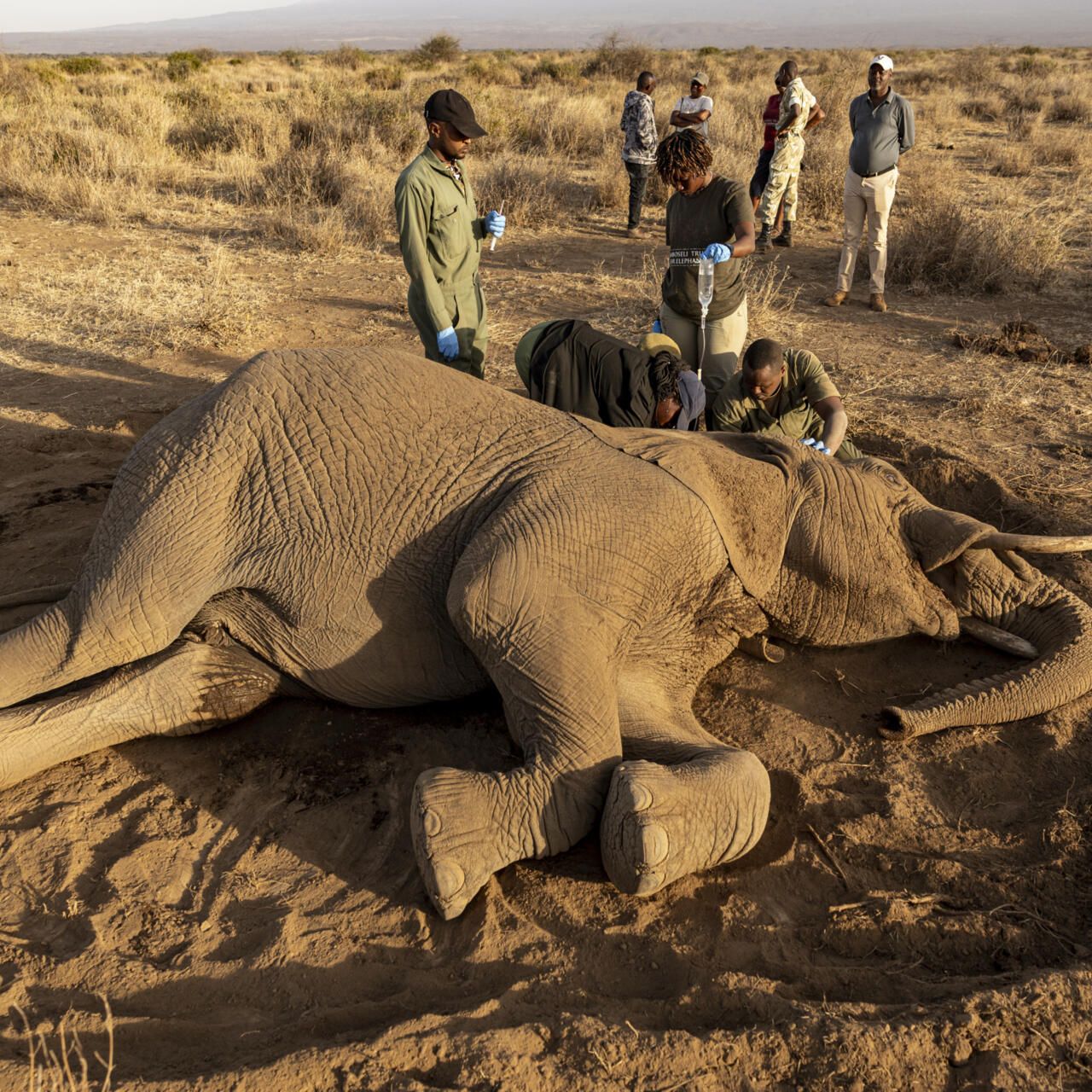
Four individuals have been arrested in Kenya amid an investigation into the suspected poisoning of elephants due to illegal pesticides.
Four individuals have been taken into custody in Kenya as authorities investigate a series of mysterious elephant deaths reported over the last two months. According to the Kenya Wildlife Service, those arrested include three Kenyan nationals and one Tanzanian, all suspected of poisoning at least 18 elephants in Amboseli National Park.
Investigations are focused on whether the elephants fell victim to cyanide poisoning, which may have resulted from consuming tomatoes that were sprayed with illegal pesticides. Preliminary laboratory analyses of the elephants’ stomach contents have detected traces of cyanide.
Among the casualties were mainly female elephants along with their calves, which exhibited signs of paralysis—a symptom that further suggests cyanide poisoning as the cause of death. The affected area includes tomato farms located in the Kimana region, a key corridor for elephants moving between Amboseli National Park and Tsavo National Park.
The Amboseli ecosystem is crucial to over 2,000 elephants, who wander in search of food and water across this vast landscape, which also straddles the border with Tanzania. Unfortunately, this region is known for the smuggling of banned pesticides, frequently carried across the porous border from Tanzania.
As elephants often raid nearby farms to eat, the complexity of human-wildlife interactions is exacerbated by weak enforcement of agricultural chemical regulations. Although there are rules against the use of these harmful pesticides, lax regulations leave room for their abuse and potential environmental hazards.
Currently, the individuals arrested have been released on bail as the investigation continues to unravel the thread of circumstances leading to these tragic events. The implications of such poisonings highlight not only a threat to wildlife but also pose questions regarding regulatory enforcement in agricultural practices in the area.
Keep in touch with our news & offers
Subscribe to Our Newsletter
Thank you for subscribing to the newsletter.
Oops. Something went wrong. Please try again later.