The Treasury plans to use its $1 trillion General Account to fund bond buybacks, influencing long-term bond yields amidst market skepticism.
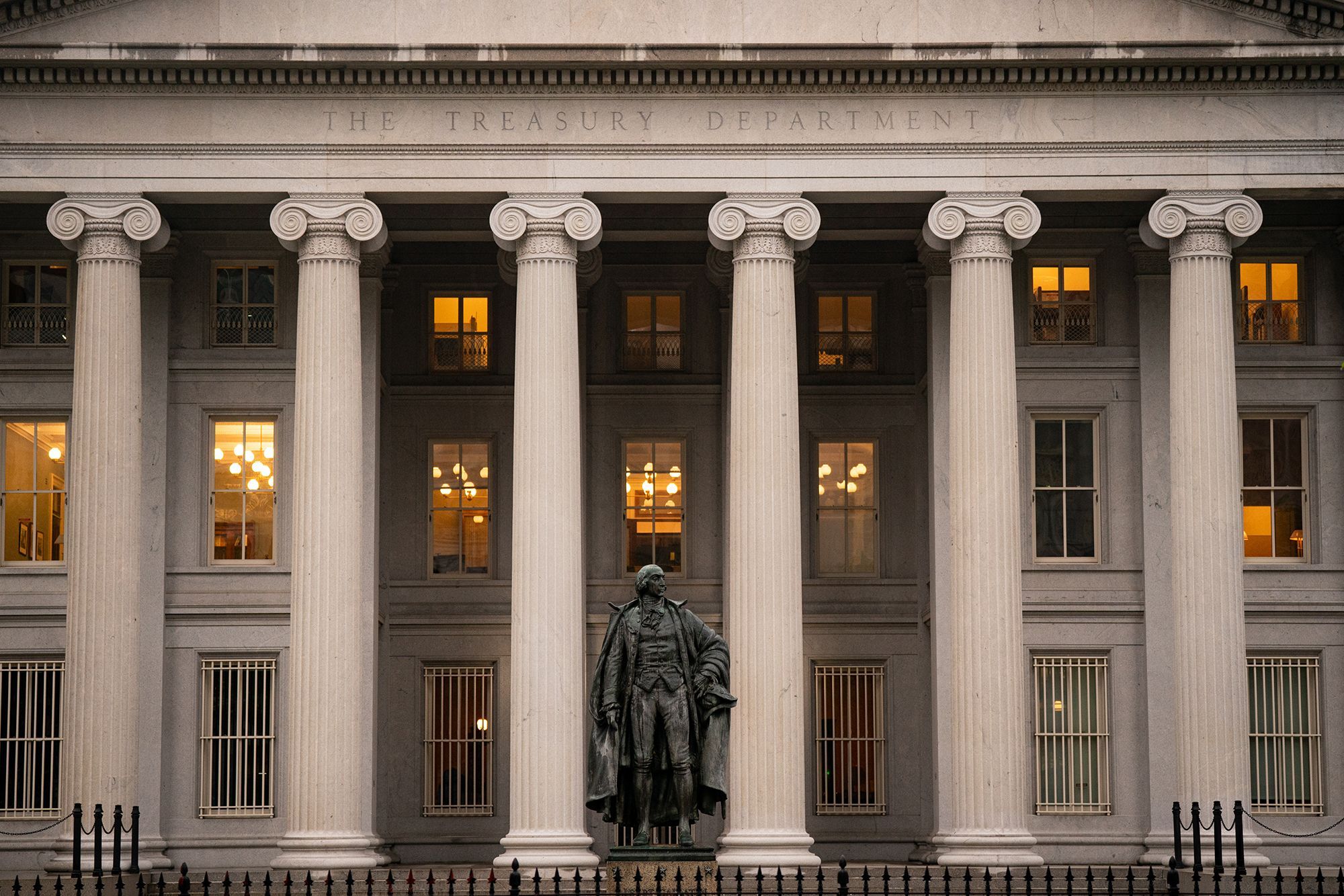
The Treasury plans to use its $1 trillion General Account to fund bond buybacks, influencing long-term bond yields amidst market skepticism.
The U.S. Treasury is considering using its nearly $1 trillion General Account to support its recently announced strategy to increase government bond purchases, sources reveal. This approach could provide significant leverage for the Treasury in influencing long-term bond yields.
Market participants were surprised last week when the Treasury revealed that it would double its buybacks of off-the-run securities from $2 billion to at least $4 billion. In an interview, Treasury Secretary Scott Bessent suggested that these operations might exceed the initially announced minimum amount.
While the Treasury has not disclosed how it intends to finance these purchases, many investors expected it would sell short-term bills to cover the costs. Bessent referred to this strategy as a “Treasury Twist,” a term that describes an operation in which long-term Treasurys are acquired using short-term issuance, which would involve selling short-term bonds.
Since the announcement, bonds have experienced a retreat from their initial rally, leading to increased yields. This shift is partly due to skepticism expressed by numerous market analysts regarding the effectiveness of the announced measures and whether the Treasury’s financial capabilities are sufficient.
The utilization of the General Account could alter this outlook. Essentially, the TGA serves as the government’s checking account, providing a reserve of funds held at the Federal Reserve. It stands at around $950 billion, significantly surpassing the Biden administration’s target range of $550 billion to $600 billion.
Treasury officials have not indicated how much of the TGA would be employed or when further details might emerge. They did clarify that the current discussions are limited to off-the-run securities highlighted in last week’s announcement.
Setting the TGA’s size is a discretionary matter. During Janet Yellen’s tenure, Treasury officials aimed to maintain the TGA at a level sufficient to cover cash needs for a week. In contrast, the present Treasury claims to align the account with its long-established cash balance policy. Should any funds be utilized from the TGA, the current Treasury would need to sell additional bonds to restore the account to its near $1 trillion level.
However, a slight reduction in the TGA does not appear to pose an immediate risk. Lowering the account would result in less cash available in the event of new debt ceiling challenges, although analysts estimate that a new limit will not be reached until winter of next year or potentially early spring. This timeline would allow the government to replenish funds as necessary. In the meantime, even minor usage of the TGA could influence bond yields or shift market perceptions.
The Treasury also sought to alleviate concerns from some market participants regarding accusations that it was deviating from its traditional practice of being “regular and predictable” about bond sales. Following criticism that the unexpected announcement was intended to manipulate the market, officials noted that they had not altered the official auction schedules.
Additionally, since the first auction is not scheduled until September 9, Treasury officials believe it may be premature to assess the market’s response.
Bessent stated last week that the Treasury aims to encourage the market to concentrate on fundamentals rather than trade on headlines during what is typically a quiet period. According to him, the goal is to maintain market equilibrium.
He expressed optimism about progress in reducing the deficit, particularly with the expected return of tariff revenues following the replacement of court-mandated refunds. Bessent also announced that senior Treasury officials would convene soon to explore strategies to enhance the fiscal situation.
Keep in touch with our news & offers
Subscribe to Our Newsletter
Thank you for subscribing to the newsletter.
Oops. Something went wrong. Please try again later.