Energy UK calls for enhanced government assistance amid rising energy costs as households face significant challenges this winter.
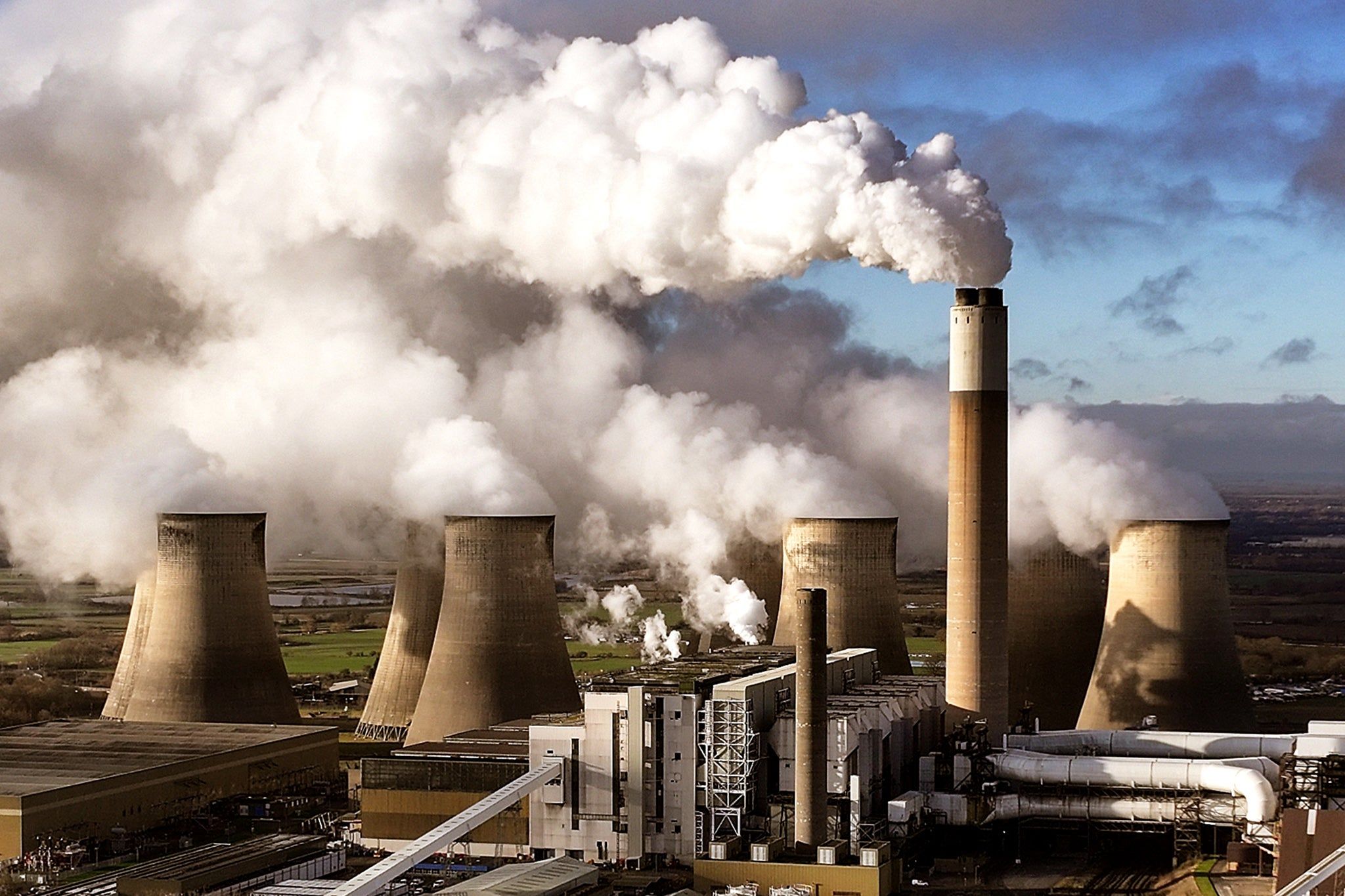
Energy UK calls for enhanced government assistance amid rising energy costs as households face significant challenges this winter.
Energy UK, the representative body for energy firms in the UK, has voiced urgent concerns regarding the need for government intervention to support households amid escalating energy bills this winter.
The organization stated that persistently high energy prices in recent years have driven many households to seek “emergency support” beyond the existing £150 Warm Home Discount. Energy UK advocates for a “better targeted” support scheme that considers individuals’ income, health, and energy consumption.
As the energy price cap is set to be announced by Ofgem this Wednesday and is anticipated to reach a three-year high, the urgency for support has intensified. A government spokesperson indicated that alongside the Warm Home Discount, they would be reducing VAT on electricity bills and pledged to provide as much protection as possible from global energy shocks.
Dhara Vyas, the chief executive of Energy UK, emphasized the need for suppliers to enhance their support for consumers. “Suppliers continue to do all they can to help their customers but as well as persistently high bills, record levels of debt show how the current system is failing to provide the right support to those in need,” she said.
Energy UK proposes a social discount scheme that could lead to a more effective system for both households and energy companies. Scorer, chief executive at National Energy Action (NEA), echoed the sentiment, stating that suppliers must take greater responsibility as household energy prices soar ahead of winter. “More than anything else people need a responsible and empathetic approach to debt,” he noted.
Ofgem recently reported that customers who fell behind on their energy bills owed suppliers a record £4.7 billion, a figure that has risen in light of increasing wholesale energy prices since the onset of the Iran conflict in February. Predictions from energy consultancy Cornwall Insight suggest a 4% rise in Ofgem’s cap will occur following Wednesday’s announcement, compounding the financial burden on households already experiencing sharp price increases.
This impending rise follows a significant 13% increase earlier in July and will apply to bills during the first half of winter. The energy price cap affects approximately 33 million households in England, Wales, and Scotland, regulating the maximum amount that can be charged per unit of gas and electricity.
Energy UK highlighted that while the Warm Home Discount currently assists around six million customers, an additional 2.5 million are in need of support due to medical conditions or poorly insulated homes that drive up energy use. The organization suggests that if the government permits aggregation of data pertaining to customers’ income, health, and energy consumption, a more targeted and adjustable support scheme can be established.
The proposed scheme would cost an estimated £1.9 billion—almost double the current Warm Home Discount scheme—yet could offer up to £450 in support for some households. Discussions surrounding potential funding methods indicate that this new scheme could be partially funded through energy bills or entirely through taxpayer contributions.
In light of the previous energy price crisis triggered primarily by Russia’s invasion of Ukraine, which saw approximately £40 billion spent by the UK government to assist households with their energy bills, the challenges posed by sourcing personal data for effective aid have raised pertinent questions.
Adam Scorer underscored the need for a fresh approach: “There will be a lot of detail to get right, but if government genuinely wants to provide breathing space for people in fuel poverty, it needs to take this challenge on and work with energy companies and charities to design something truly fit for purpose.”
Moreover, the new prime minister has initiated multiple changes in policy aimed at assisting both households and businesses during these turbulent economic times, including actions from the States of Guernsey and the Isle of Man to mitigate energy costs.
Keep in touch with our news & offers
Subscribe to Our Newsletter
Thank you for subscribing to the newsletter.
Oops. Something went wrong. Please try again later.