Learn essential dos and don’ts for writing effective out-of-office messages as holiday season approaches.
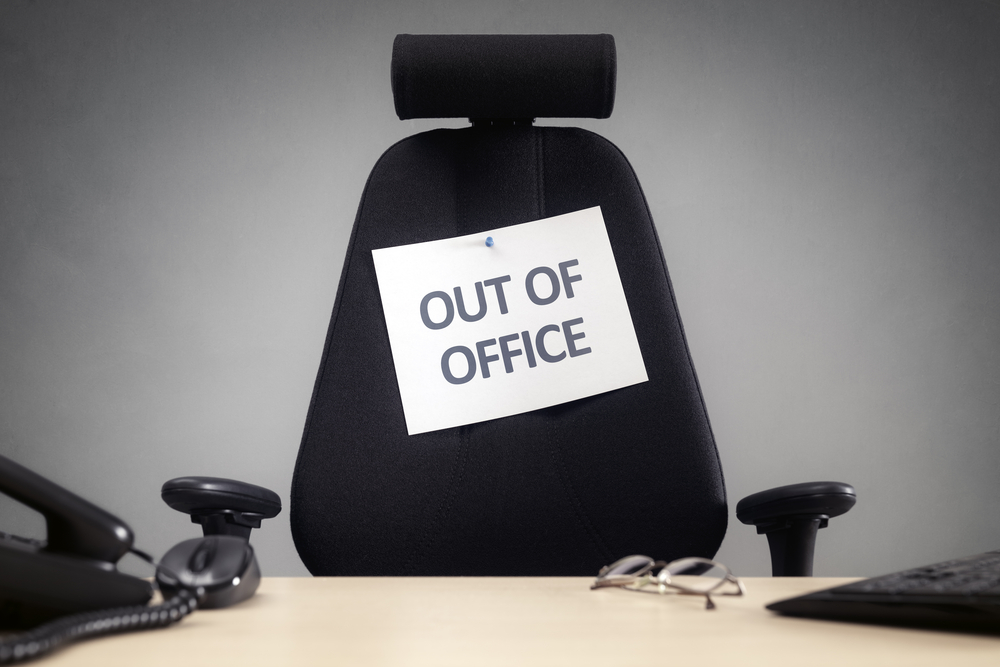
Learn essential dos and don’ts for writing effective out-of-office messages as holiday season approaches.
As holiday season approaches, many professionals turn their attention to composing out-of-office replies. With the prospect of taking a break, the question looms: what information should be included, and how casual should the message be?
Experts advise that there are clear guidelines when it comes to crafting effective out-of-office messages. According to Debretts, an etiquette consultancy, a well-composed automatic reply should be polite, concise, and include a specific return date as well as an alternative contact method if necessary.
However, oversharing can lead to pitfalls. For instance, detailing vacation plans or boasting about luxury hobbies might come off as distasteful. Rupert Wesson, Debretts’ director, cautions against “virtue signalling” that could alienate those who feel burdened by work while you are away. Sharing your plans for “quality time with family” can appear smug to those sending emails.
Inadequate messages can be equally problematic. A bare-bones reply saying only “I’m out of the office” without any specifics can lead to confusion and unnecessary follow-ups. “People will be left wondering when they can expect a reply or who to consult in your absence,” states Charlotte Davies, a career expert at LinkedIn.
Prior preparation is essential as well. Briefing whoever covers for you about pressing matters can facilitate smoother communication and protect your own downtime. While humor might help some stand out, caution is advised. Sarcastic or overly casual replies could offend clients and damage professionalism. Paul Fitzsimmons from the law firm Wilford Smith offers examples of what to avoid: jokes like “I’m currently out of the office pretending this company doesn’t exist” or “emails received will be deleted unread” could backfire.
For those who find the humor in these messages, Adam Murfet recalls a former colleague losing a business deal due to a poorly received joke in an out-of-office reply. His advice is straightforward: always consider if the comment would be appropriate in a standard email.
Many commentators critique the phrase indicating limited email access while on leave, as it inadvertently invites continued contact. Wesson suggests a more explicit approach: “If you need to check emails while away, say so. A better phrasing might be, ‘I will be periodically checking emails,’ to set realistic expectations.”
Davies suggests a straightforward approach for those seeking genuine breaks: “Clearly state your unavailability, such as ‘I won’t be checking emails during this time.’” It’s crucial to remember that in the UK, uninterrupted annual leave is a legal right unless stated otherwise in your contract.
Here are some essential tips for writing an effective out-of-office reply: first, maintain politeness with a greeting; next, provide a clear return date and ensure alternate contact details are correct; remain clear about availability; refrain from promising immediate responses upon return; remember to toggle both internal and external contacts in Outlook; and lastly, don’t forget to deactivate the out-of-office message when returning to work to avoid appearing disorganized.
Keep in touch with our news & offers
Subscribe to Our Newsletter
Thank you for subscribing to the newsletter.
Oops. Something went wrong. Please try again later.