Incheon Airport handles 38.39 million international passengers, making it the busiest airport in the world, amid disruptions from the Iran conflict.
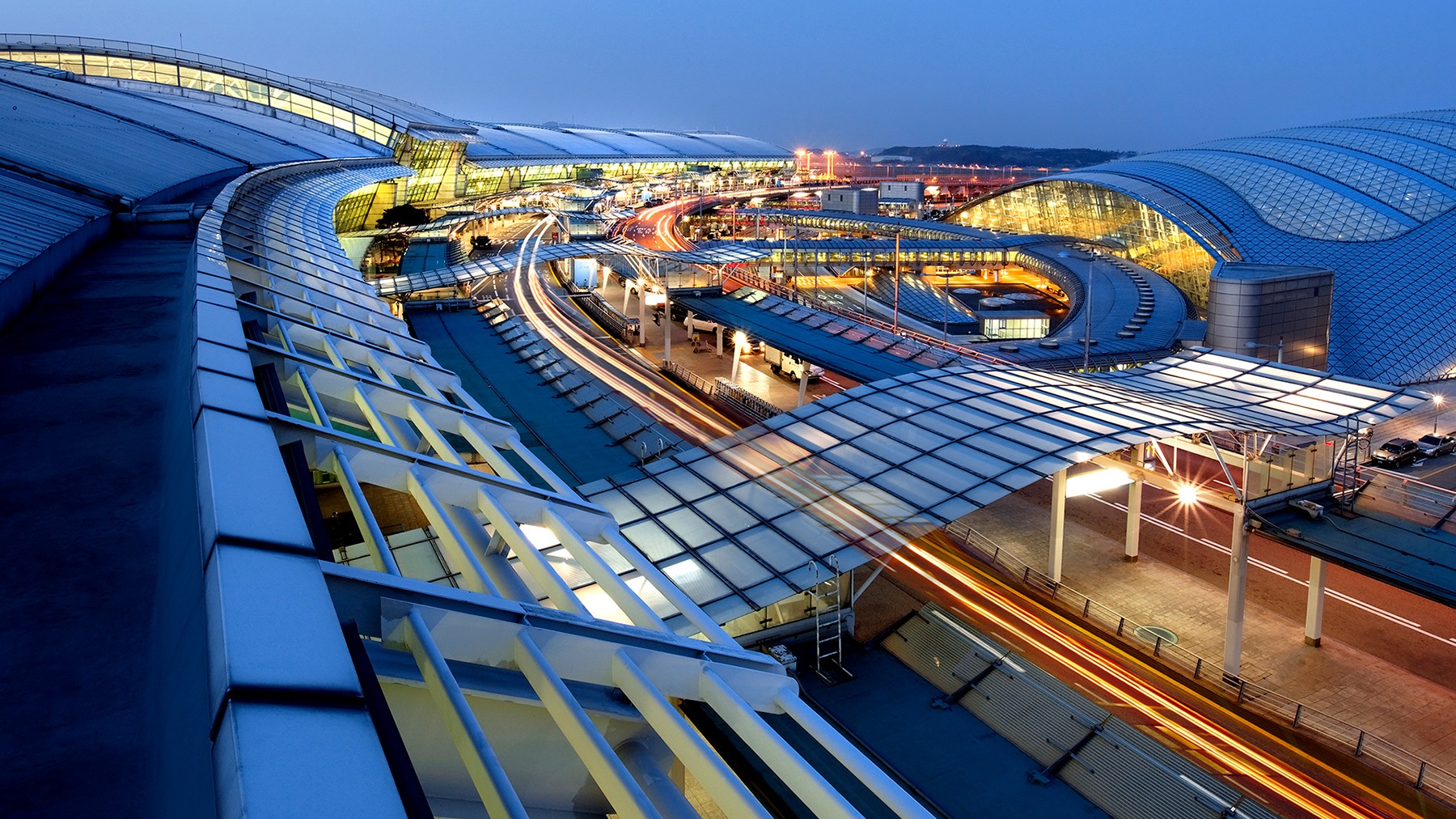
Incheon Airport handles 38.39 million international passengers, making it the busiest airport in the world, amid disruptions from the Iran conflict.
Incheon airport has soared to the top ranking as the world’s busiest airport for international passengers, largely due to disruptions in the Middle East caused by the ongoing Iran war. The South Korean airport processed 38.39 million international travelers in the first half of 2026, according to preliminary figures from the Airports Council International (ACI).
The bustling hub, located approximately 30 miles (48 km) west of Seoul, saw a notable increase in passenger traffic compared to Heathrow in the UK, which secured the second spot with 37.79 million passengers, and Singapore’s Changi airport, which recorded 34.53 million.
This marks the first instance of Incheon leading global passenger rankings since its opening in 2001. The airport previously held positions of 10th in the world in 2002, fifth in 2018, and third in both 2024 and 2025.
According to the Incheon International Airport Corporation (IIAC), this spike in passenger numbers can be partly attributed to heightened conflict in the region that has hampered operations at traditional Middle Eastern hubs like Dubai, prompting a shift in transfer traffic towards East Asia.
Notably, Incheon reported a 6.3% increase in overall international passenger traffic year-on-year. Foreign visitors comprised 39.3% of the airport’s passenger count during the first half of the year, up from 35.2% for the entirety of 2025. The proportion of international passengers further rose to a historical high of 44.4% in the second quarter, with the IIAC identifying an increase in visitors from both China and Japan as a key factor.
Meanwhile, Heathrow experienced its busiest first half ever, reporting 40 million total passengers, including domestic and international travelers. This reflects a 7.9% rise in passenger traffic to the Asia-Pacific region, although capacity to the Middle East dropped by 16.5% as a direct result of the ongoing regional conflict.
In a subsequent development, Istanbul surpassed Heathrow as Europe’s busiest airport by total passenger numbers, registering 8.15 million travelers in July compared to Heathrow’s 7.9 million.
The recent expansion of Incheon has further cemented its place as an international aviation hub, with 101 airlines operating flights to 183 cities, including 158 destinations worldwide. A significant expansion, completed in late 2024, increased the airport’s annual capacity to a staggering 106 million passengers.
Kim Beom-ho, the acting president of IIAC, expressed that this achievement is a testament to government support, public encouragement, and the hard work of airport personnel.
Additionally, South Korea ranks as the location of the world’s busiest air route. The domestic corridor connecting Gimpo airport and Jeju island is set to feature 14.4 million scheduled seats in 2025, according to aviation data provider OAG, more than any other route worldwide.
Keep in touch with our news & offers
Subscribe to Our Newsletter
Thank you for subscribing to the newsletter.
Oops. Something went wrong. Please try again later.