Congress struggles to pass crucial college sports legislation. As costs rise, new strategies are needed to ensure the future of college athletics.
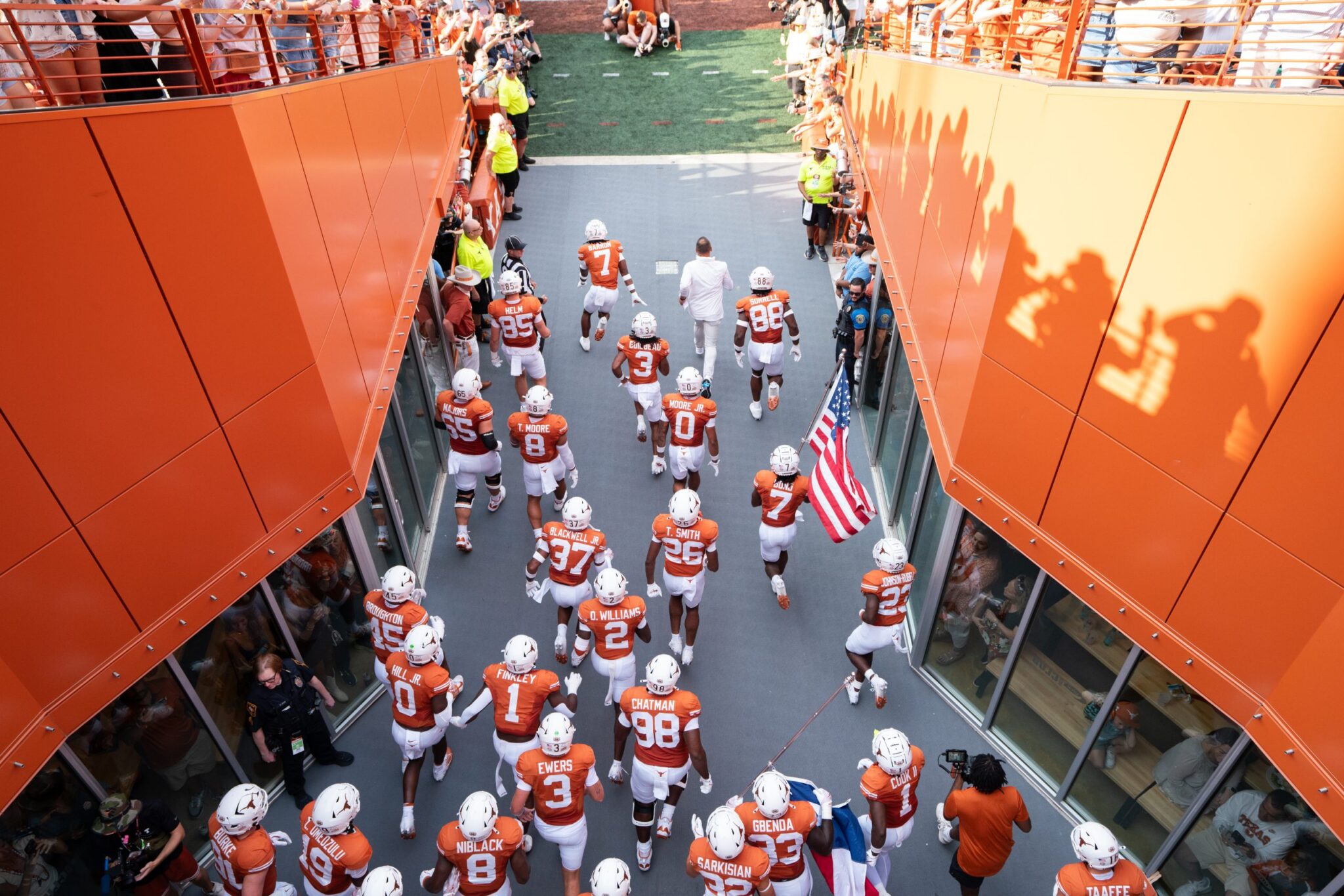
It’s time for university administrators, conference commissioners, and NCAA president Charlie Baker to start finding alternative solutions to manage the rising expenses of major athletics. Since 2020, Congress has conducted over a dozen hearings on college sports, with the NCAA and former Power 5 conferences investing more than $15 million on lobbying efforts. Big Ten commissioner Tony Petitti shared his experiences in Washington, D.C., noting he has been there 21 times during his tenure.
Recently, there was hope for a breakthrough with the Protect College Sports Act. Senate Majority Leader John Thune made an earnest effort to fast-track the legislation before Congress’s five-week summer recess. However, delays came from expected political maneuvering and disagreements, similar to the earlier setback of the SCORE Act in the House earlier this year.
Despite more than six years of legislative attempts, Congress has yet to find a solution for college sports. It’s time for university leaders to begin crafting a backup plan, as the current model appears unsustainable.
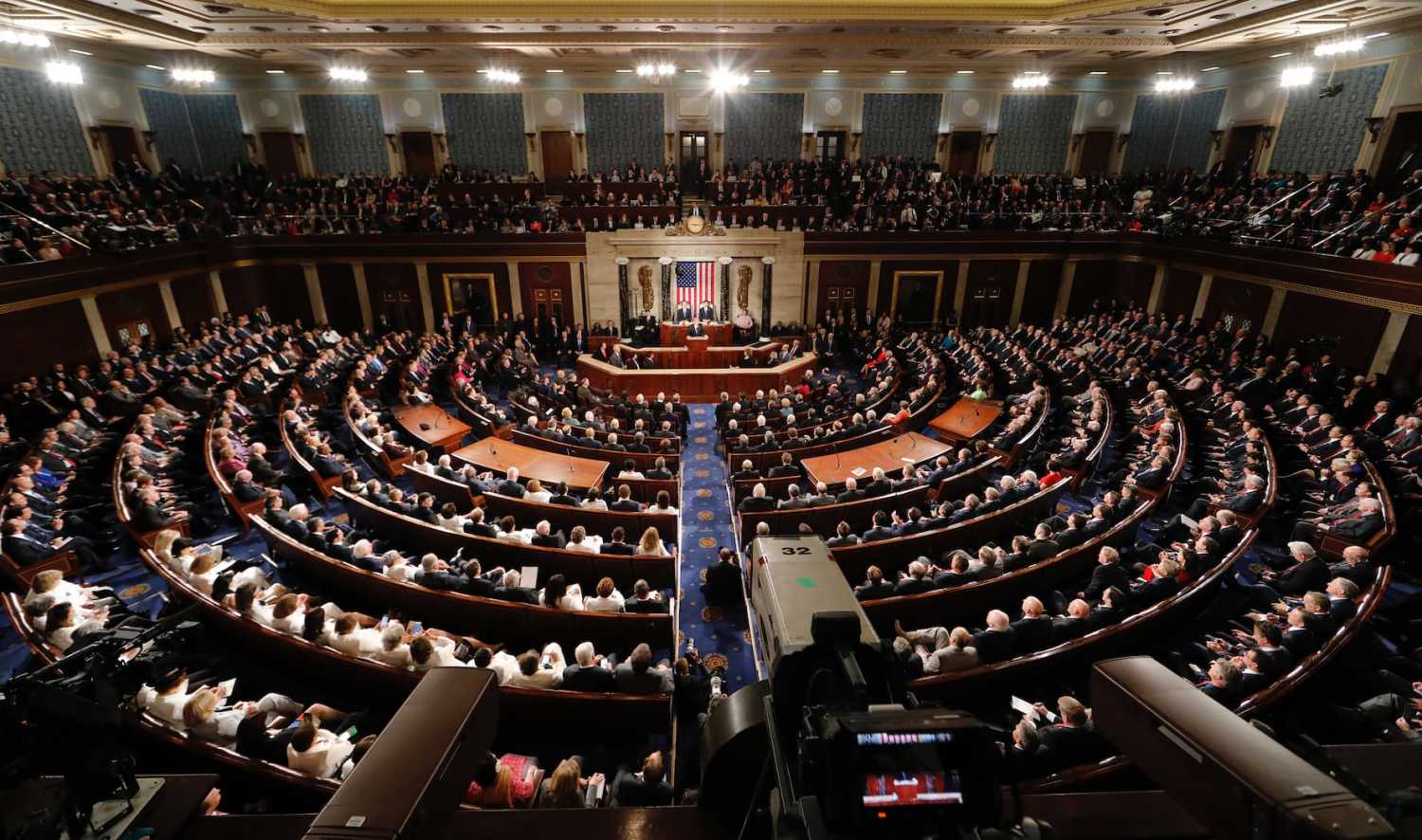
The Protect College Sports Act, or PCSA, was shaped by Senators Ted Cruz (R-Texas) and Maria Cantwell (D-Wash.). This comprehensive 171-page proposal aimed to address various issues within collegiate sports, including name, image, and likeness rules, transfer portal regulations, and conference membership limits. The efforts were fueled by concerns that college athletic programs might face financial ruin without legislative intervention.
“Without this Bill, millions of young Athletes will be hurt, programs will be canceled, Women’s and Olympic Sports will go away, the fans will be robbed, and Universities will go broke,” stated former President Donald Trump in a call to the Senate to pass the bill.
The situation escalated recently when the Big Ten and SEC initially withheld their endorsements of the bill. However, they ultimately agreed to support it after negotiations on a “hard cap” that would raise the permissible direct payments to athletes from $21.3 million to around $48 million.
Once this critical point was settled, Cruz expressed optimism that the bill would garner significant bipartisan support, with co-sponsor Eric Schmitt (R-Mo.) suggesting it could secure up to 80 votes. Yet, political complications soon sprang forth at the last minute. Opposition from the AFL-CIO and the Congressional Black Caucus emerged, along with amendments aimed at facilitating conference changes for home-state schools in Florida. Additionally, three conservative senators raised concerns that the bill could conflict with state laws aimed at maintaining the integrity of women’s sports.
Notably, a proposal meant to protect women’s sports became entangled in another set of political worries about the same issue.
The PCSA may not be completely dead. Senators Cruz and Schmitt announced they have arranged for a guaranteed vote when Congress reconvenes in mid-September. Nonetheless, Cruz’s optimistic predictions have often proven overly hopeful over the past three years, and experts suggest the path to approval may narrow as midterm elections draw nearer. Furthermore, if it does pass, the House will have its agenda priorities, potentially complicating the process further.
Meanwhile, litigation against the NCAA continues to unfold. Recently, it has been losing requests for injunctions from former athletes seeking waivers that would allow them to return to college sports. In response, the NCAA expedited a new eligibility process, eliminating waivers altogether. This new framework allows for a standardized five seasons of competition starting at age 19, taking effect this August.
In light of these developments, athletes who recently completed their fourth seasons have begun to seek legal remedies for an additional year of eligibility, with mixed results in court. A recurring theme has emerged in judicial decisions, which have shown disapproval towards policies limiting athletes’ ability to earn from name, image, and likeness arrangements. Despite this, College Sports Inc. persists in pushing for congressional leniency regarding NIL market restrictions.
Realistically, College Sports Inc. must soon formulate a strategy for the future, as the return to pre-existing systems is unlikely. The focus should be on treating collegiate athletes fairly within a professional framework, which may include tangible contracts rather than rhetorical discussions about NIL opportunities. If there is genuine interest in implementing any form of restrictions, it must involve authentic negotiations with the athletes themselves rather than empty political posturing.