Mauricio Pochettino returns to lead the USMNT, aiming to reshape the team after a challenging World Cup run and integrate new talent.
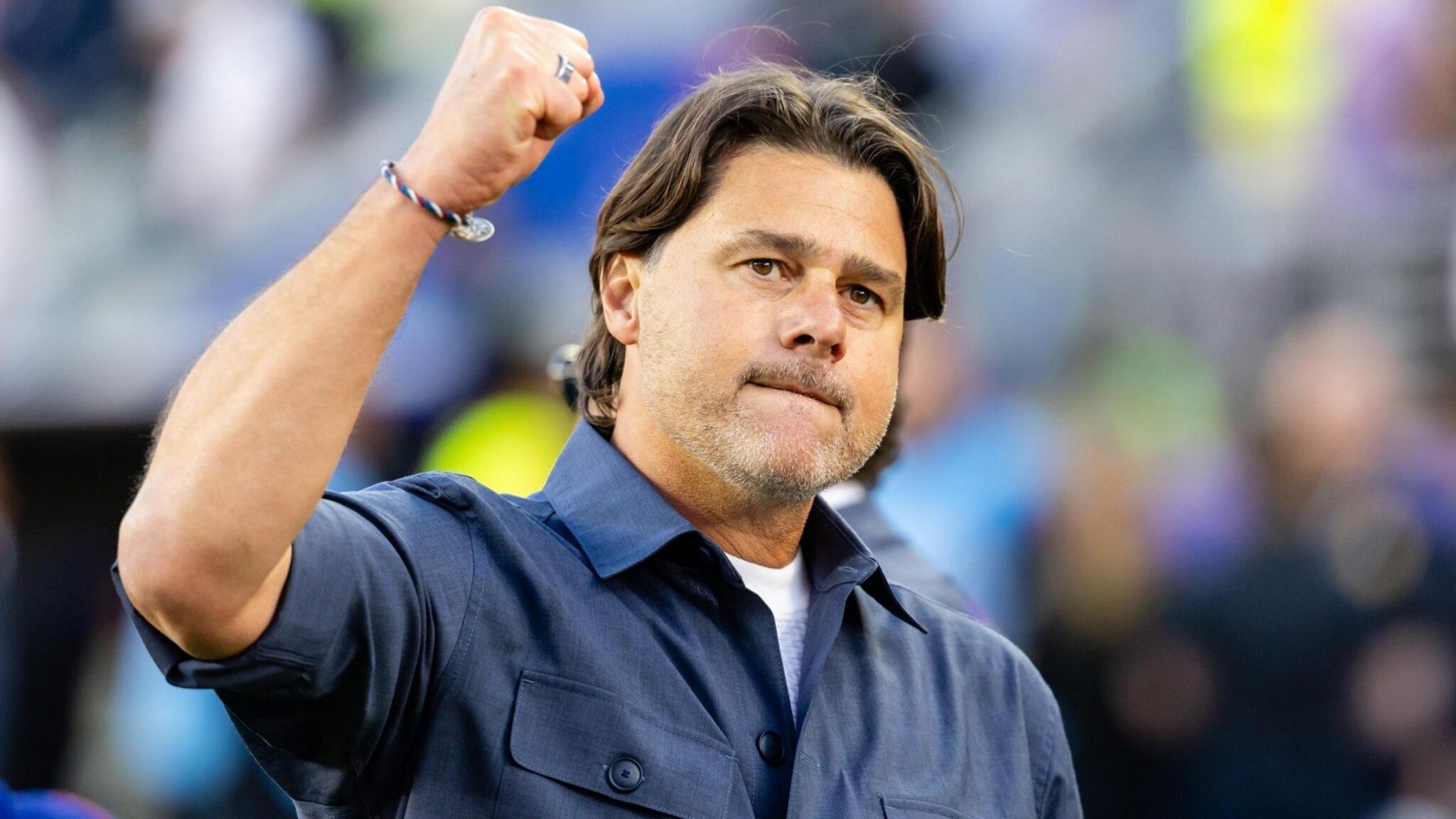
Mauricio Pochettino returns to lead the USMNT, aiming to reshape the team after a challenging World Cup run and integrate new talent.
Mauricio Pochettino is back for a second cycle with the U.S. men’s national team, embarking on a journey filled with high expectations and challenges. The renowned coach assumes his role with a sense of urgency, knowing he must counter the historical struggles faced by his predecessors in similar positions.
In his last outing, Pochettino witnessed his team’s painful exit from the World Cup, suffering a 4-1 defeat in the round of 16 to Belgium in Seattle. The U.S. team stood on the brink of matching a program-best feat with their performance, yet they fell short of reaching the quarterfinals, a goal that had eluded them for years.
This attempt to build on the momentum of a golden generation only ended in disappointment, as the gap to that elusive win proved too vast. Pochettino, who was awarded a substantial salary to guide this team, had aimed to reshape the national identity, challenging the players with ambitious goals and a vision to make history.
Despite moments of promise, highlighted by wins against teams like Paraguay and Australia, the U.S. ultimately struggled against stronger opponents. The pride of the nation was at stake, as 50 million viewers tuned in only to watch their team falter at a crucial moment.
Pochettino’s return comes with an even weightier mandate: improvement is essential, not just in terms of tournament progress, but in building infrastructure and depth within the squad. The next cycle will focus on transitioning the team as key players, including Christian Pulisic, Weston McKennie, and Tyler Adams, age toward the 2030 World Cup.
To succeed, Pochettino must integrate fresh talent while managing the transitional aspects of the squad. As players like Antonee Robinson and Tim Weah age, younger prospects must be brought into the fold immediately.
During a media session, Pochettino expressed enthusiasm for a fresh start. “I really believe that it’s an exciting situation for soccer in the USA. After 18, 19 months working with the goal focused solely on the World Cup, we now have the chance to approach things differently,” he said. His vision includes developing a comprehensive strategy to enhance the program’s capabilities.
The U.S. men’s national team has a checkered history with second-cycle coaches. Bruce Arena recorded an underwhelming group-stage exit after a quarterfinal appearance in 2002. Bob Bradley was dismissed early in his second term, while Jurgen Klinsmann was let go during World Cup qualifying in 2018. Most recently, Gregg Berhalter faced termination following a disappointing elimination from the 2024 Copa América.
Pochettino must resist falling into the traps that ensnared his predecessors. He faces the task of selecting a squad that balances experience with new talent, ensuring that players who have not had the chance to prove themselves can step into competitive roles.
He joked about transitioning talent: “It’s going to be important to provide the young kids that we really believe have the potential to arrive in 2030 the opportunity to grow and settle in the organization.” The U.S. national team’s depth must improve swiftly as they approach future competitions.
As the September-October window approaches, Pochettino will look to introduce new faces during the friendlies, assessing their fit within the evolving squad. USMNT legend Landon Donovan emphasized the urgency, stating players need significant competitive experience to be prepared when their time comes.
Building a legacy while staying committed to the four-year cycle may prove to be Pochettino’s ultimate challenge. In a recent interview, he stated, “If we sign a contract for four years, it’s our goal to see it through to the end. But in football, nothing is guaranteed. You never know what can happen in soccer.”
As rumors of potential offers from other clubs persist, Pochettino must clarify his commitment. “Today it’s like this. I say no to too many possibilities without a contract,” he affirmed. If he remains with U.S. Soccer through 2030, he could redefine his career in ways previously unimagined.
As Pochettino embarks on this new chapter, he retains the opportunity to leave a lasting mark on American soccer. If he can navigate the challenges, his tenure may well exceed both historical expectations and personal aspirations.
Keep in touch with our news & offers
Subscribe to Our Newsletter
Thank you for subscribing to the newsletter.
Oops. Something went wrong. Please try again later.