Tyson Foods has lowered its annual profit forecast as elevated livestock costs impact its beef business amidst tight cattle supplies.
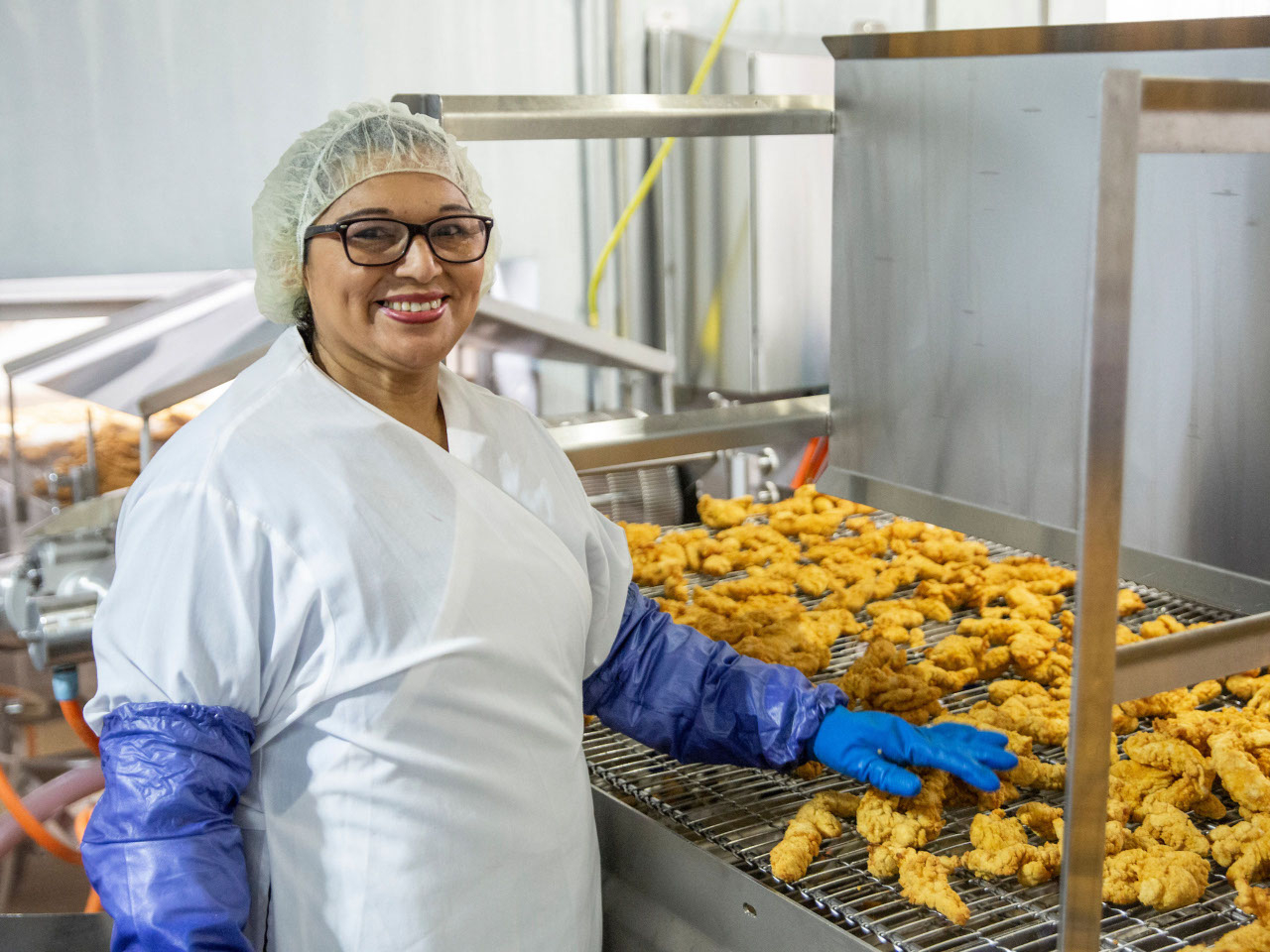
Tyson Foods has lowered its annual profit forecast as elevated livestock costs impact its beef business amidst tight cattle supplies.
Tyson Foods announced on Monday a downward adjustment to its annual profit forecast, citing increasing challenges within its beef segment. The company indicated that it expects losses in this area to widen due to sustained elevated costs for livestock, which have been driven by tight cattle supplies.
The market was taken by surprise as Tyson forecast an adjusted EPS of between $3.35 and $3.60, a notable reduction from its previous estimate of $3.75 to $3.85. The company’s shares dropped sharply following this announcement, reflecting investor concerns over the impact of rising meat prices on consumer demand and overall profitability.
Company representatives explained that cattle supplies remain tight due to mixed factors including ongoing drought conditions and high feed costs that have affected ranchers. This situation has led to a significant increase in prices across the beef market.
In a statement, Tyson’s CEO remarked, “We are navigating through a challenging landscape where the costs of agriculture are spiking. We recognize the burden this poses to our consumers and are working diligently to address the impact across our operations.”
Moreover, analysts anticipate that the ongoing cattle shortage could squeeze Tyson’s ability to meet market demand, potentially leading to further price increases on beef products. The company also indicated a cautious outlook for the fiscal year, expressing that uncertainty remains a central theme in its operational environment.
Despite these challenges, Tyson Foods remains committed to pursuing strategies that aim to stabilize its supply chain and enhance efficiency. As part of this approach, the company plans to invest in alternative protein sources, which could offer a buffer against fluctuations in traditional beef markets.
As the situation develops, Tyson Foods will likely remain a focal point for investors and analysts monitoring the meat industry. The company’s upcoming quarter will provide further insights into the effectiveness of its strategies in navigating these turbulent market conditions.
Keep in touch with our news & offers
Subscribe to Our Newsletter
Thank you for subscribing to the newsletter.
Oops. Something went wrong. Please try again later.