The use of ‘Jerusalem’ at the Commonwealth Games raises questions about England’s national anthem, with mixed opinions among sports fans.
The use of ‘Jerusalem’ at the Commonwealth Games raises questions about England’s national anthem, with mixed opinions among sports fans.
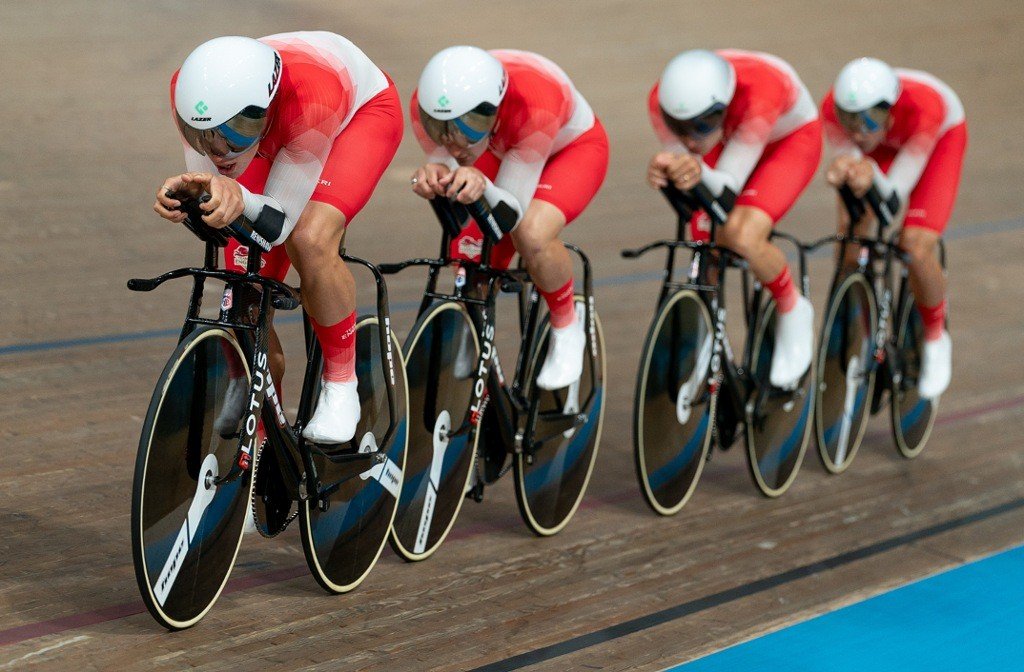
As England celebrated multiple gold medals at this year’s Commonwealth Games, the conversation turned to whether the nation should adopt a unique sporting national anthem. Currently, when England’s athletes emerge victorious, they are greeted with ‘Jerusalem,’ a song derived from a William Blake poem, rather than the traditional ‘God Save The King.’
This year’s Commonwealth Games, a multi-sport event featuring competitors from nations of the Commonwealth, highlighted a significant difference in anthems. While Scotland and Wales proudly boast their own anthems for sporting events—’Flower Of Scotland’ and ‘Hen Wlad Fy Nhadau’ respectively—England has continued to rely on ‘God Save The King’, which has been the UK’s national anthem since the early 19th century.
The use of ‘God Save The King’ has drawn criticism from various quarters. Mike Kenny, a professor at the University of Cambridge, expressed doubts about its suitability as an anthem, stating, ‘As a piece of music, it is not stirring or uplifting. If you look across English sport, there are different answers as to what it should be, but every sport seems to deviate from ‘God Save The King’ in some way.’
Despite its historical significance—first widely sung back in 1745 in support of King George II—many fans find it lacks the emotional resonance of other anthems. A survey conducted by The Athletic even ranked it at the bottom of national anthems ahead of the 2026 FIFA World Cup.
In contrast, ‘Jerusalem’ is better received, with its poetic lyrics and dynamic tempo setting a distinct tone that resonates with many fans. Both the rugby union and cricket teams have adopted it, creating a sense of pride for supporters. Kenny noted, ‘If it were put to the sporting public, I am fairly confident ‘Jerusalem’ would come out on top.’
Historical context plays a role in the discussion. Scotland’s transition to its own anthem coincided with the devolution movement in the late 1990s, leading to a more distinct national identity. In parallel, Northern Ireland athletes sometimes sing ‘Ireland’s Call’ when representing the island, a further testament to the nuanced landscape of national representation in sports.
Looking at wider implications, Sunder Katwala of British Future pointed out that the issue of English identity hasn’t been fully addressed until recently, showcasing a growing recognition of differences within the UK. ‘The broader story here is that England did not think about the difference between being English and British until the mid-1990s.’
As conversations around national identity and anthem continue amid the backdrop of national sporting achievements, the question remains—will England finally take steps to adopt a distinctive sporting anthem? While enthusiasm swells in favor of ‘Jerusalem’, institutions like the Football Association appear hesitant to broach the topic formally.
Keep in touch with our news & offers
Subscribe to Our Newsletter
Thank you for subscribing to the newsletter.
Oops. Something went wrong. Please try again later.