
Trump emphasizes potential military action against Iran if diplomatic efforts do not yield immediate results in the Middle East.
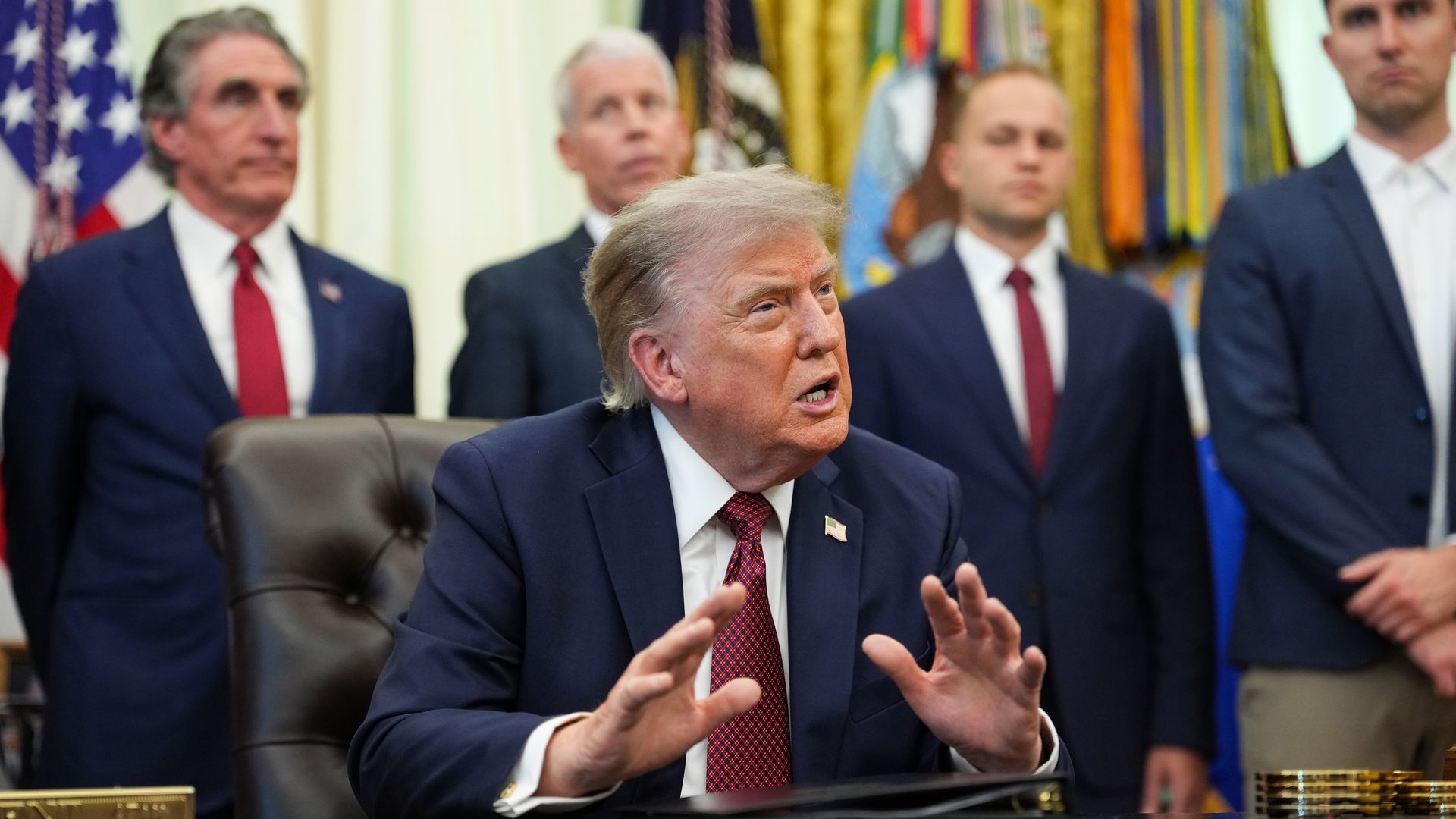
Trump emphasizes potential military action against Iran if diplomatic efforts do not yield immediate results in the Middle East.
Donald Trump has issued a stern warning regarding the possibility of reverting to strong military action against Iran if diplomatic efforts do not succeed in quickly resolving the escalating crisis in the Middle East.
During an interview with Axios on Monday, Trump noted, “We are in very deep talks with Iran. If they don’t work out, we will go back to very strong military action.” When asked how much time he would allow for the talks to unfold, he replied, “Not much time. Either it goes fast or not at all.” Trump reiterated his stance later that day while speaking to reporters aboard Air Force One, asserting that Iran’s willingness to engage in dialogue was a direct result of the pressure from U.S. actions. “They wouldn’t even be talking to us… The only reason they want to meet is because we’ve been hitting them very hard,” he stated.
At a rally in Michigan, Trump continued to convey his message of toughness, saying, “You can’t bribe them. You’ve got to beat them, and we’ll beat the hell out of them. But we’ll see how it turns out. Right now, there are very friendly negotiations going on.” The situation has become increasingly complex as Tehran announced there were no direct talks occurring between it and the U.S. to resolve the conflict, which has been intensifying since February amid a series of U.S.-Israeli strikes in the region.
The Iranian foreign ministry spokesperson, Esmaeil Baqaei, stated, “Mediators may convey messages from the American side to us regarding current developments in the region. But at present, we are not engaged in any negotiations with the United States.” This divergence of communication comes against the backdrop of constructive negotiations between Iran and Oman regarding the strait of Hormuz, a vital shipping roadway, though no resolution has yet been reached on Iran’s demand for transit fees.
Oman and Iran engaged in discussions in Tehran recently aimed at establishing future management protocols for the strait, but the negotiations have yet to satisfactorily resolve Iranian financial demands. Omani officials are striving for a model that complies with international maritime laws, which has led to a cautious approach amid significant geopolitical tensions.
The U.S. has reportedly relaxed some military actions following perceived progress in these negotiations, as it seeks to mitigate risks associated with Iranian retaliatory actions against U.S. bases in the region. Senior officials have advised Trump about the limited U.S. ammunition supplies and the effectiveness of ongoing military campaigns.
As tensions mount, the potential for renewed conflict looms large, with Trump emphasizing the necessity for swift actions to resolve tensions favorably. Iranian officials recently warned of dire consequences should the U.S. impose further restrictions or military measures.
The international community is closely watching the developing situation, with talks continuing as Oman and Iran attempt to forge a path forward that acknowledges both nations’ interests and concerns about maritime safety in the strait.
Over the past week, maritime traffic through the strait has significantly decreased, with reports indicating that only five ships per day, on average, have been transiting compared to previous numbers nearing 130.
Keep in touch with our news & offers
Subscribe to Our Newsletter
Thank you for subscribing to the newsletter.
Oops. Something went wrong. Please try again later.