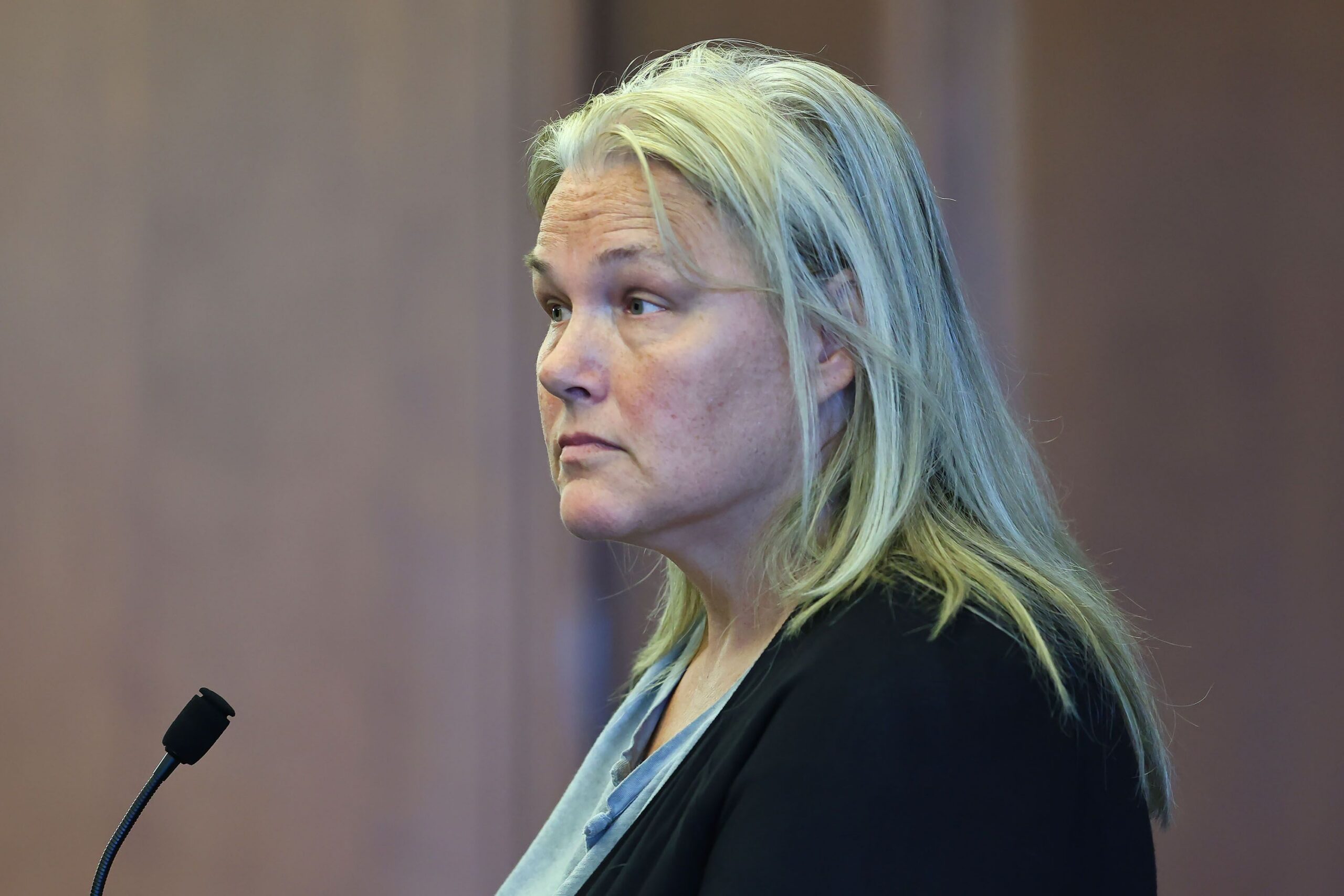
The recent conviction of a baby trafficking syndicate raises urgent questions about the future of trafficked children in Singapore.
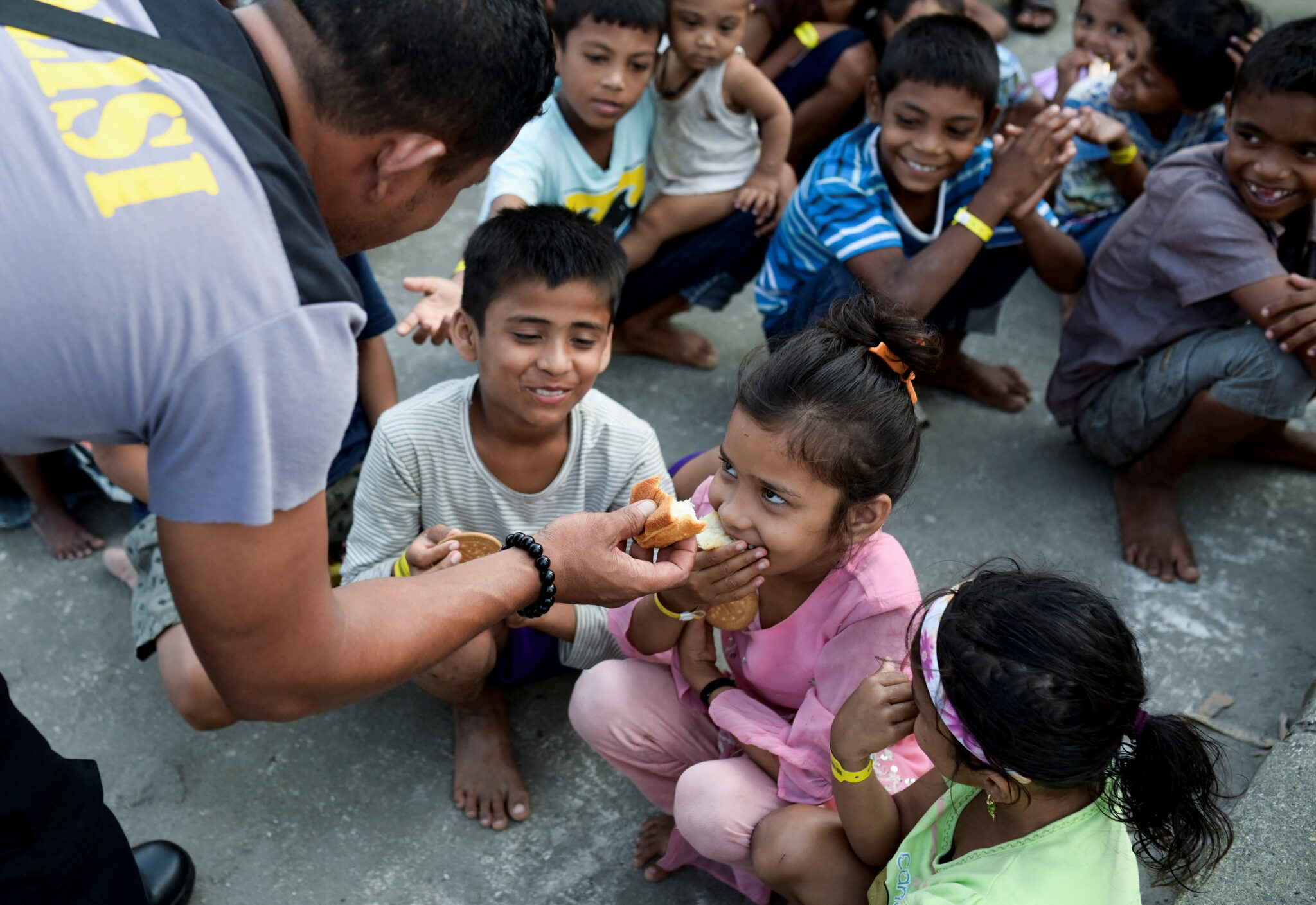
The recent conviction of a baby trafficking syndicate raises urgent questions about the future of trafficked children in Singapore.
An Indonesian court has convicted 19 individuals involved in a baby trafficking operation, marking a significant conclusion to a case that has captured attention across Indonesia and Singapore. The trafficking syndicate was found guilty of procuring at least 34 infants, with the majority being sold for adoption in Singapore, leaving at least 12 babies directly affected by the illicit activities.
The verdict raises pressing questions about the fates of these children, especially among the adoptive parents in Singapore who have spent nearly a year in uncertainty over their legal rights to keep the children they adopted.
In an interview following the court’s decision, a Singaporean parent, identified as David, expressed his hope for a swift resolution from both governments. “Since the case is concluded, how can we move on and what will happen to our son? It’s been almost a year of fear and anxiety from waiting,” said David, who wished to remain anonymous. He urged the authorities to consider the best interests of the children involved.
David and his wife, Ally, revealed that they were unaware their adopted son may have been trafficked, claiming they had gone through extensive background checks mandated by the Singaporean government. Yet, both Indonesian and Singaporean officials have not provided clear answers on how to proceed with the children’s cases.
The Indonesian foreign affairs ministry stated that several factors require further exploration, such as the children’s legal status and the identities of their biological parents. The ministry reaffirmed its commitment to prioritizing the welfare of the children.
Child rights advocates have voiced their concerns regarding the best outcomes for the babies. Ai Maryanti, a commissioner with Indonesia’s independent child protection commission, asserted that returning the children to their biological parents should be of utmost importance, as their identities remain unidentified. She emphasized that the existing adoptions in Singapore should not be seen as a final solution.
Legal experts noted the complications involved if the adoptions were to be annulled, as Singapore’s legal framework generally regards adoption orders as definitive. A consultant with Yuen Law, Lim Fung Peen, highlighted that a court could evaluate various factors, including the psychological impact on the children and the circumstances they would return to in Indonesia.
With the ruling now in place, child welfare advocates argue for the protection of these children and the rights of the adoptive parents, who may also be innocent victims in this complex situation.
David, reflecting on their ordeal, mentioned that he and his wife simply desire to lead a normal family life. “We hope that this matter can now be brought to a resolution so that our son can move forward with certainty and security,” he said.
Keep in touch with our news & offers
Subscribe to Our Newsletter
Thank you for subscribing to the newsletter.
Oops. Something went wrong. Please try again later.