A Florida man sues OpenAI over alleged misdiagnosis by ChatGPT, claiming it put him at risk of a life-threatening condition.
A Florida man sues OpenAI over alleged misdiagnosis by ChatGPT, claiming it put him at risk of a life-threatening condition.
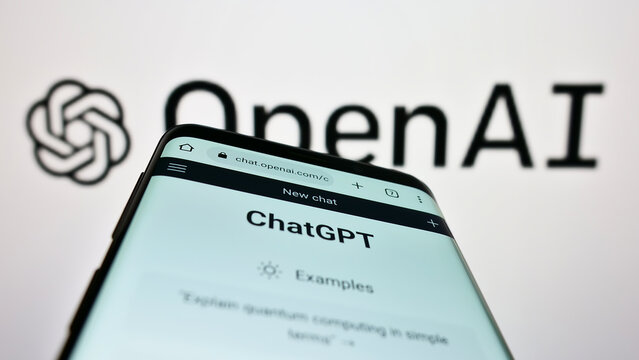
A man who claims medical advice from ChatGPT “brought him to the brink of death” has sued OpenAI, the company behind the popular chatbot, and its founder Sam Altman.
The lawsuit was filed by Scott Winters, a 55-year-old pastor from Florida, alleging that ChatGPT advised him not to seek medical help after he repeatedly inquired about his symptoms leading up to a near-fatal pulmonary embolism.
In his complaint, Winters’ attorneys argue that the platform “repeatedly and insistently misdiagnosed” him, even reassuring him based on prior discussions about religion that he would recover.
Drew Pusateri, a representative from OpenAI, stated that “ChatGPT is not a doctor and should never be used as a substitute for medical care, diagnosis or treatment.” He acknowledged the trend of individuals seeking health information online, noting that artificial intelligence can enhance that experience by providing clearer information and preparing users for discussions with healthcare professionals.
The lawsuit was lodged at the San Francisco County Superior Court on July 21. It details Winters’ frequent use of ChatGPT for medical inquiries, during which he disregarded advice from family and friends who urged him to seek hospital care.
Weeks prior to his serious health incident, Winters consulted the tool about persistent dizzy spells and fluctuating blood pressure. In one of the exchanges cited, he claims ChatGPT told him to remain in a recliner chair, where he had become increasingly confined due to his ongoing ailments.
According to court documents, Winters experienced a “massive pulmonary embolism due to multiple blood clots in both of his lungs” which brought him dangerously close to death. Medical professionals later indicated that his condition was likely exacerbated by his immobility.
Screenshots of interactions that Winters allegedly had with ChatGPT suggest a blending of medical advice with references to his strong Christian faith. For instance, the chatbot supposedly told Winters, “God did not design your body to endlessly fail” and that “God is still holding your body together, every heartbeat, every breath, even when it feels like you are on the brink.”
Winters’ lawyers maintain that the chatbot’s “sycophantic nature and authoritative tone,” combined with its manipulation of Winters’ religious beliefs, fostered an unhealthy dependence on the tool.
The lawsuit claims that this dependence “subverted Scott’s ability to make sound decisions, isolated him from family members who insisted he seek medical care, and convinced him that seeking medical attention was unnecessary and even potentially lethal.”
Describing Winters as a “vulnerable” individual, the lawsuit alleges that his reliance on ChatGPT resulted in significant personal losses, including his home and career, leaving him in need of “years of intensive physical and psychological recovery.”
Winters is seeking financial damages as well as a court order to mandate OpenAI to implement reasonable safeguards to protect future users from similar risks.
Keep in touch with our news & offers
Subscribe to Our Newsletter
Thank you for subscribing to the newsletter.
Oops. Something went wrong. Please try again later.