Trump states the US-Saudi nuclear deal hinges on Riyadh recognizing Israel as part of the Abraham Accords, drawing mixed reactions.
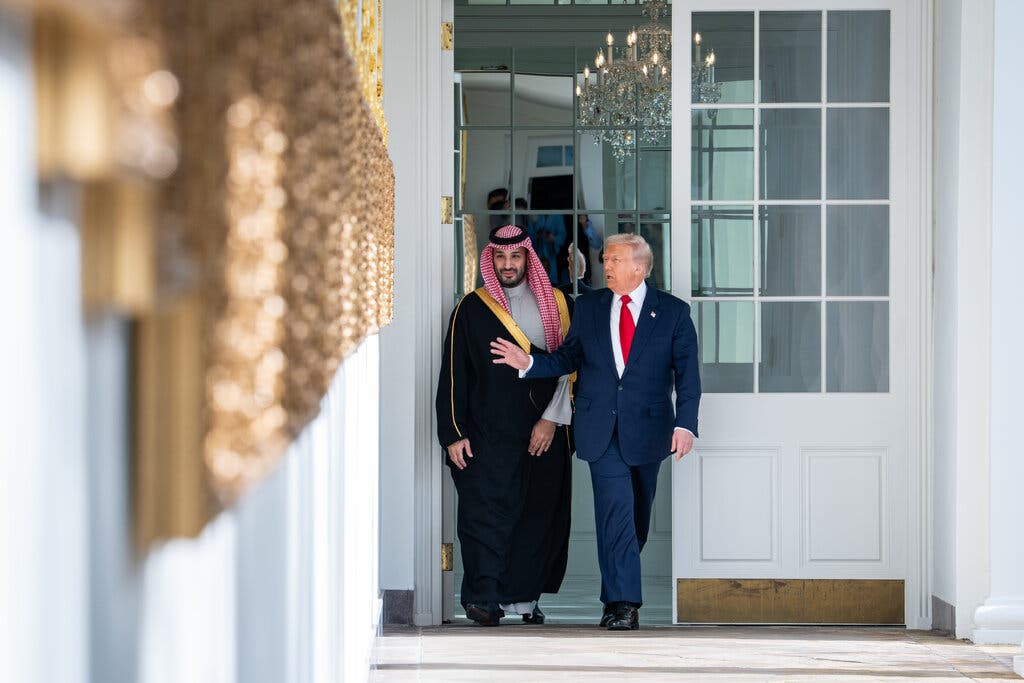
Trump states the US-Saudi nuclear deal hinges on Riyadh recognizing Israel as part of the Abraham Accords, drawing mixed reactions.
President Donald Trump has declared that the proposed agreement between the United States and Saudi Arabia for nuclear energy development is contingent upon Riyadh acknowledging Israel’s existence. In a statement shared on Truth Social, Trump asserted, “The Civil Nuclear Deal (There will be no enrichment of material!)… which pertains only to non-military use… will be approved, but is totally subject to Saudi Arabia joining the very respected and successful Abraham Accords.” There is now speculation regarding whether this stipulation was included in the deal’s text, which remains unreleased, or if Saudi Arabia has accepted this condition.
Thus far, Saudi Arabia has refrained from responding to Trump’s statements. White House Press Secretary Karoline Leavitt clarified that Trump has communicated this requirement to Saudi officials on multiple occasions. “He has said if they don’t join the Abraham Accords, the deal is off,” she noted, indicating the administration’s intent to continue dialogues with their Saudi counterparts on this matter.
Trump’s remarks follow a wave of criticism from experts who caution that the US-Saudi deal, first announced on Wednesday, could heighten the risk of nuclear proliferation in a region already marked by instability. Concerns about the deal have also been echoed among several lawmakers from both parties; however, Trump’s Republican Party currently holds control over both houses of Congress, making it unlikely that legislative opposition can effectively block the agreement.
The deal purportedly includes a “peaceful nuclear cooperation agreement” and a “bilateral safeguards agreement,” setting a legal framework for a potentially multi-billion-dollar collaboration aimed at achieving economic and strategic objectives, particularly concerning nuclear nonproliferation. A statement from the US Department of Energy indicated that these agreements could lay the groundwork for a prolonged partnership.
The International Atomic Energy Agency (IAEA) responded, confirming its awareness of the plans for a bilateral civil nuclear cooperation agreement between the US and Saudi Arabia and expressing its readiness to implement verification measures related to this undertaking.
During Trump’s earlier presidency, both the United Arab Emirates and Bahrain entered into the Abraham Accords, marking a historic normalization of relations with Israel—an event unprecedented in decades. Since then, several other nations, including Sudan, Morocco, and Kazakhstan, have also joined these accords. Saudi Arabia has historically maintained that it would not participate without the establishment of a Palestinian state, yet the White House has indicated that refusal to join the accords would lead to the cancellation of the nuclear deal.
Israeli officials have responded positively to Trump’s statement, with Prime Minister Benjamin Netanyahu’s office asserting that Saudi Arabia’s participation in the accords “would be a historic leap forward for peace in the Middle East.” Nevertheless, some Israeli political figures have voiced concern; former Defense Minister Avigdor Lieberman warned that every military nuclear program begins with a civilian initiative.
While Israel is widely believed to possess nuclear weapons, it has never publicly confirmed nor denied such capabilities. The proposed US-Saudi agreement is described as a pathway to a “peaceful nuclear cooperation agreement” intended to enhance American access to Saudi’s nuclear energy program.
The nuclear topic has significantly strained US-Israeli relations, especially regarding Iran, which has consistently denied Western allegations aimed at its nuclear ambitions. Crown Prince Mohammed bin Salman of Saudi Arabia previously stated in a 2018 interview with CBS News that while the nation was not pursuing a nuclear weapon, a response would be necessary should Iran develop one.
Media reports earlier suggested that the arrangement might permit Saudi Arabia to enrich uranium in the future. This substance can both fuel power plants and potentially create nuclear weapons. However, Trump’s recent comments seem to negate that potential pathway. Rosemary Kelanic, director of the Middle East program at the think tank Defense Priorities, commented that it would be “quite shocking” for the US to allow Saudi Arabia any uranium enrichment capabilities, emphasizing that such an allowance would greatly increase the risk of nuclear arms development.
In the backdrop of these discussions, threats made by the Iran-backed group in Yemen to target Saudi vessels in vital shipping lanes amplify the complexities surrounding this nuclear deal. The proposed pact, although aimed at peaceful cooperation, has sparked considerable debate and concern within the US and Israel about its implications for regional stability.
Keep in touch with our news & offers
Subscribe to Our Newsletter
Thank you for subscribing to the newsletter.
Oops. Something went wrong. Please try again later.