China’s Long March-10B rocket successfully lands, marking a pivotal moment in reusable space technology, joining SpaceX and Blue Origin.
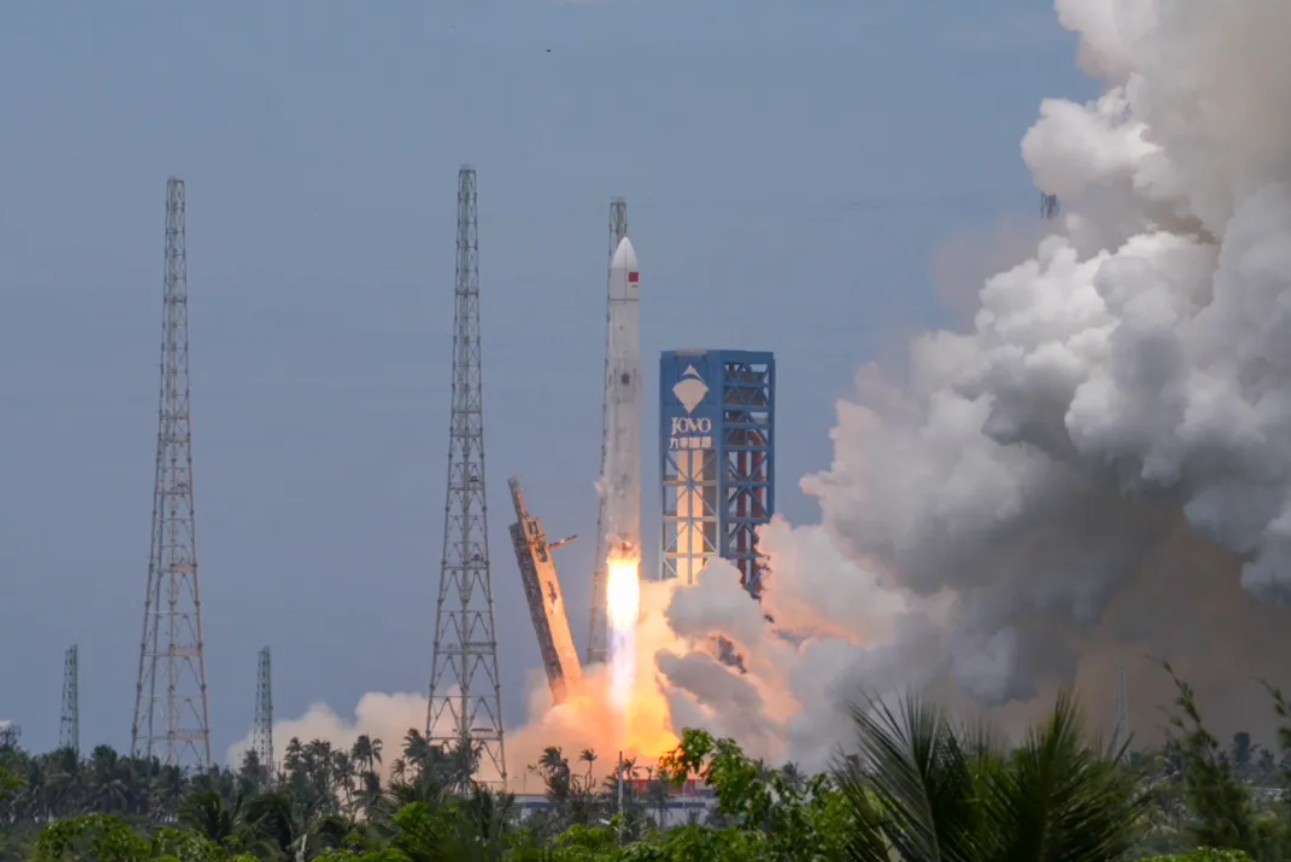
China has achieved a significant milestone in space exploration by successfully landing the booster stage of its Long March-10B reusable rocket. This marks the first time that the country has launched and partially returned a reusable orbital rocket safely to Earth, placing it alongside the pioneering efforts of Elon Musk’s SpaceX and Jeff Bezos’ Blue Origin.
The successful landing occurred on July 10, shortly after the rocket lifted off from the Hainan commercial space launch site at 12:15 PM. Approximately six minutes post-separation, the booster completed its controlled descent back to the Earth’s surface.
This event is a crucial step in the development of reusable rocket technology, which has the potential to significantly lower the costs associated with launching payloads into space. SpaceX first demonstrated this capability in 2015, and since then, it has successfully recovered its Falcon 9 rocket hundreds of times.

In a series of developments over the years, SpaceX has pushed the boundaries of reusable technology, including the impressive recovery of its superheavy booster with a mechanism dubbed “Mechazilla” in 2024. Blue Origin also made strides, landing its New Glenn rocket’s first stage last November, although it faced challenges, like the New Glenn exploding on the launchpad earlier this year.
The achievement underscores China’s ambitions in the space sector, particularly its goal to contend with SpaceX, which currently leads in launching frequency and payload capacity. China’s Long March-10B holds a maximum payload capacity of 16 tons, which is behind SpaceX’s Falcon 9 at 25 tons and the anticipated capabilities of the Starship, which is projected to handle over 100 tons.
Additionally, China is steadily working on a satellite internet service to rival Starlink, with its state-backed SpaceSail company reportedly launching around 200 satellites since 2024. In comparison, SpaceX has an estimated 10,000 satellites in low-Earth orbit, showcasing the competition for dominance in this sector.
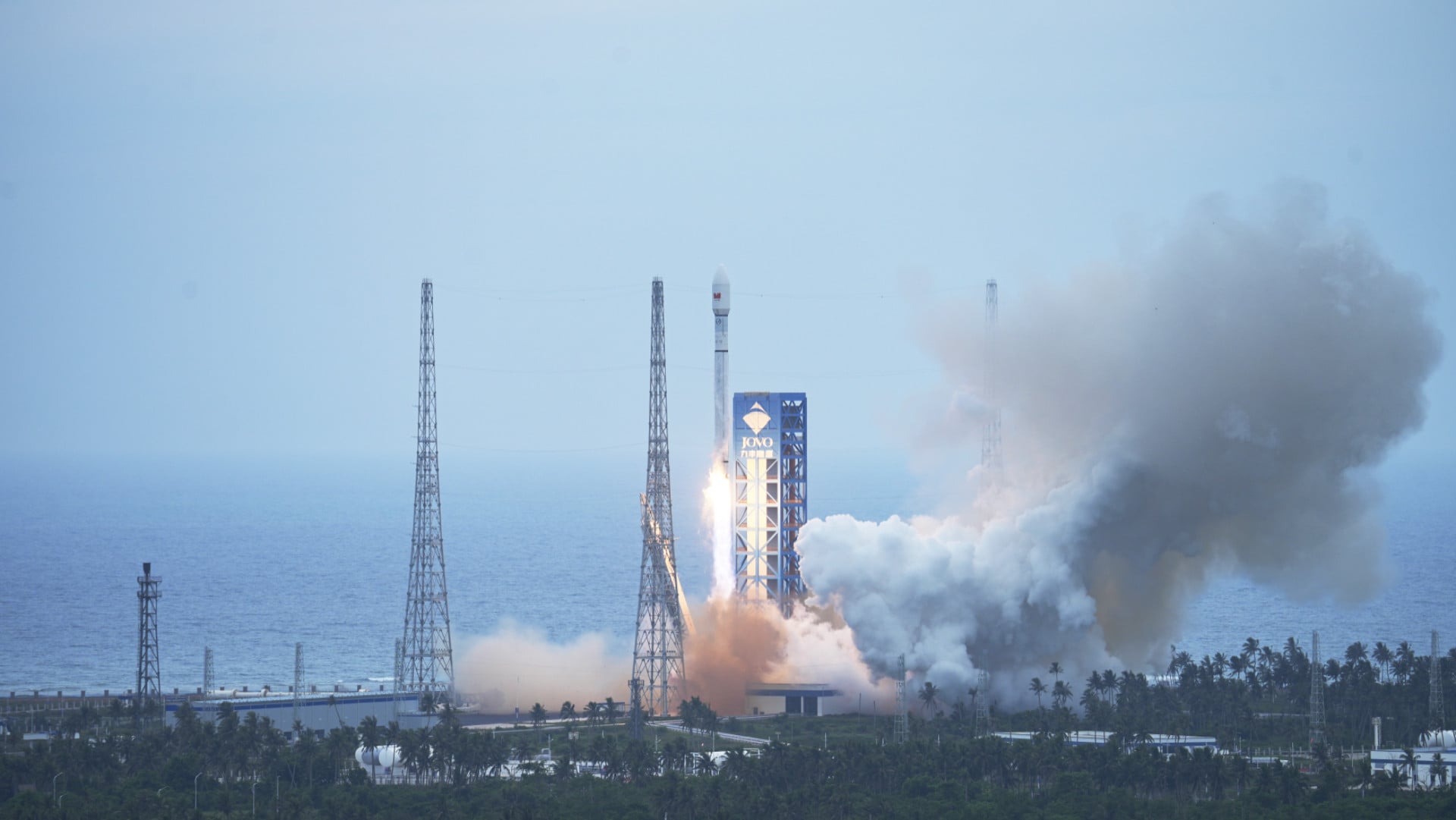
Elon Musk himself acknowledged the advancements made by China in a post on social media, commenting on how their reusable rockets are progressing but still lagging behind the innovative capabilities of SpaceX. He remarked, “They have added aspects of Starship, such as use of stainless steel and methalox, to a Falcon 9 architecture, which would enable it to beat Falcon 9.” However, he concluded by affirming, “But Starship [is] in another league.”
The successful landing of the Long March-10B is a promising development for China as it seeks to enhance its space exploration capabilities and compete on a global scale.