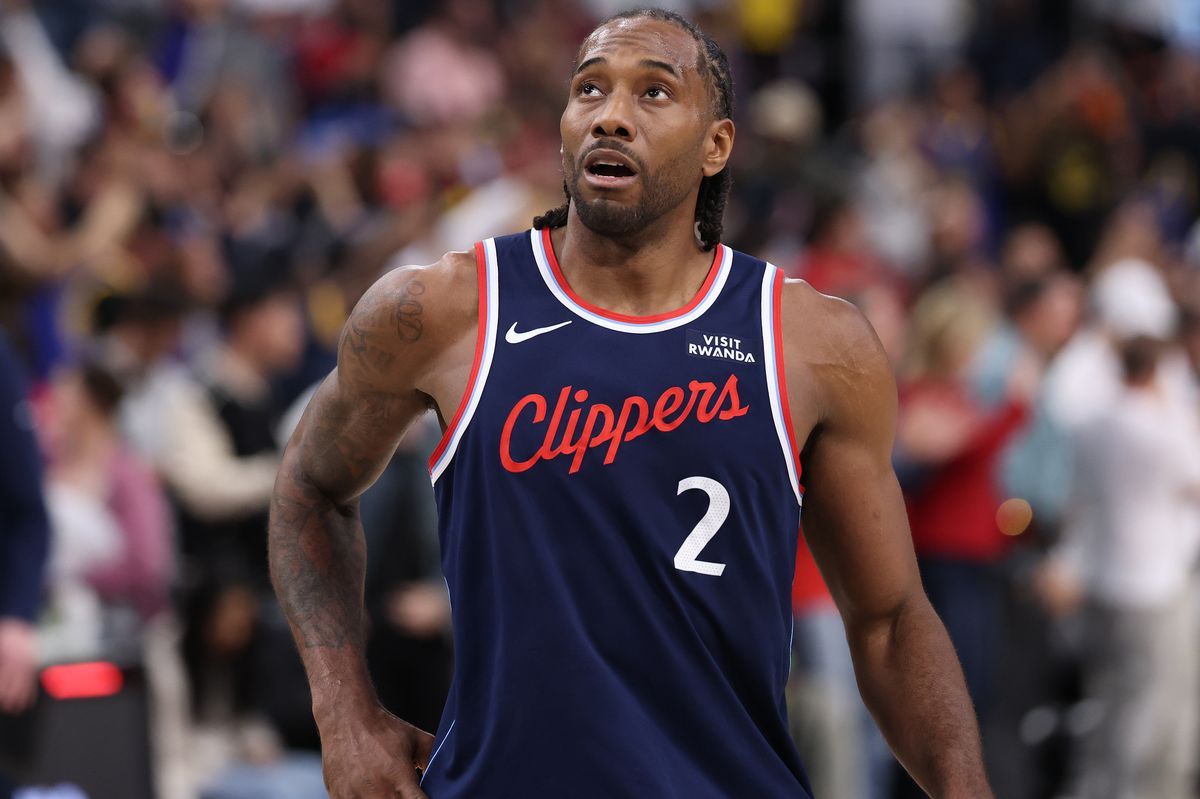
Exploring the evolution of soccer chants in U.S. sports culture as they collide with traditional MLB fan experiences.
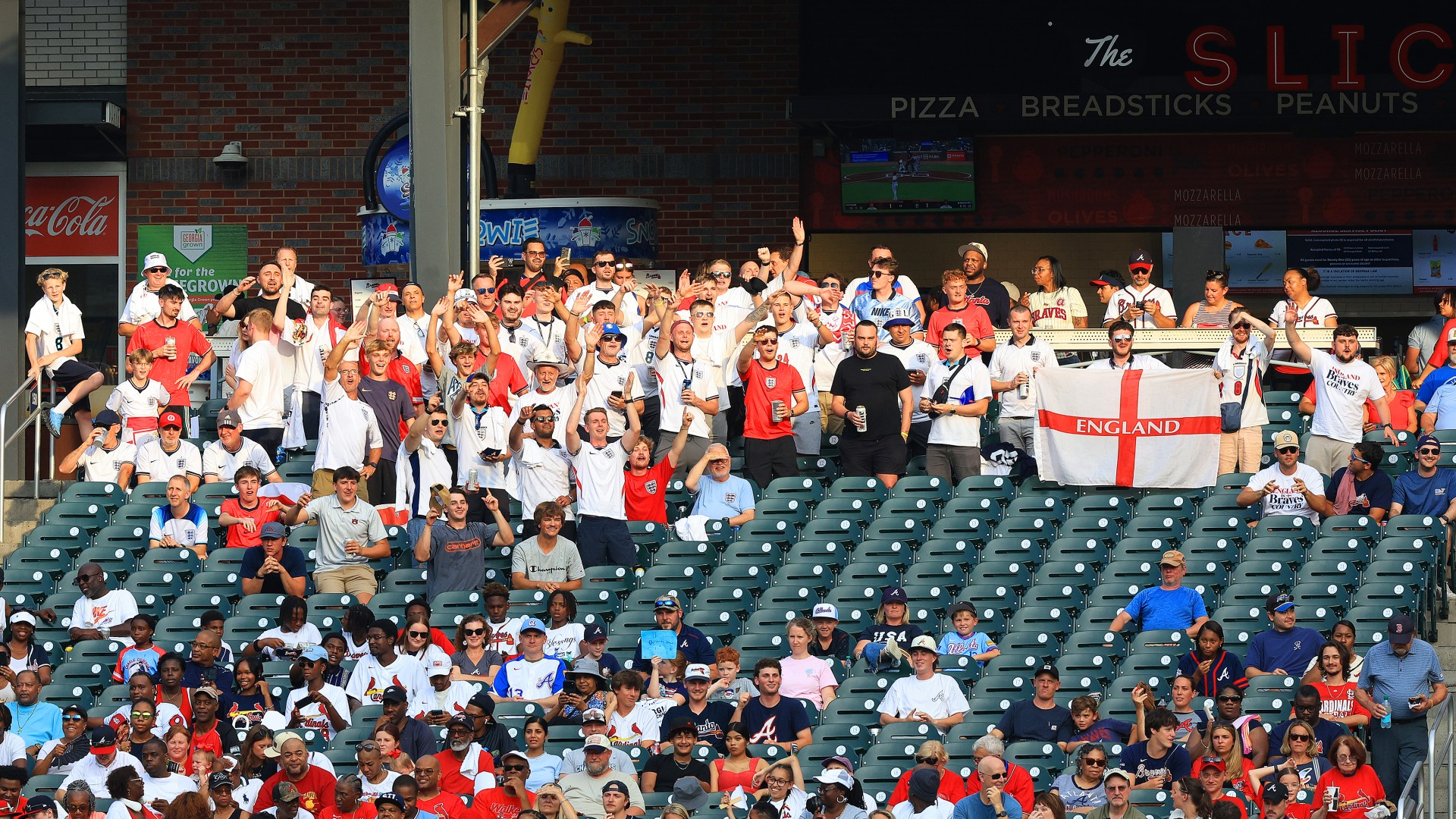
Exploring the evolution of soccer chants in U.S. sports culture as they collide with traditional MLB fan experiences.
Michael Harris II recently captured the hearts of fans during an Atlanta Braves game, as a group of English soccer enthusiasts cheered him on after watching England defeat the Democratic Republic of Congo in a World Cup match. The English fans found their way to Truist Park, where they filled a section of the stadium, chanting playfully for Harris, showcasing a charming blend of fan cultures.
Among the chants heard were variations of familiar tunes, including “Walking in a Harris wonderland” and “Baseball’s coming home — with Michael Harris.” The atmosphere was heightened as Harris responded to the chants, connecting with the fans who had spent the day reveling in soccer and baseball.
Similar scenes unfolded earlier when Scottish supporters took control of Fenway Park during a Red Sox game, marking a unique overlap between U.S. sporting events and European soccer culture. This instance raises intriguing questions about the origin of such chants and their incorporation into American sporting events, a phenomenon that remains relatively rare.
To delve deeper, I spoke with Billy Grant, a devoted Brentford fan and podcast host. He explained the typical process of how an English chant develops, often starting in pubs or during train rides to away games. “When they left the station, there was no song. By the time they got to the away game, there was a song,” he noted.
Chants are usually initiated by a small group of individuals, sparking participation from the rest of the crowd. British sociologist Tom Clark observed that there are often a couple of leaders who will kick off the chanting. However, he admitted that not every chant succeeds and some die on the spot, particularly in lower-league games. Emotional stakes, such as a near goal, can encourage the crowd to join in, while less thrilling matches often lead to banter instead.
The cultural difference in fan behavior between the U.S. and Europe is evident. People attending Premier League matches often travel as a large, cohesive group, creating an environment ripe for spontaneous chanting. However, Grant indicated that the travel distances in the U.S. make this communal experience challenging.
Michael “Grubes” Gruber, an experienced in-arena music director, shared his insights on the American approach to fan interactions. He explained that the culture in the U.S. has evolved, where crowds tend to rely on prompts from the sound system rather than generating spontaneous chants. “It’s tough for a song to happen spontaneously,” Gruber remarked, emphasizing that U.S. fans have become accustomed to being guided by DJs.
Clark pointed out that as soccer becomes more commercialized, many traditions are being adapted or lost. Chants, often borne of local lore and experiences, serve as a way for fans to reclaim their culture amidst a changing landscape. Katie Jordan, who played drums in the Resurgence supporters’ section for Atlanta United, articulated the difference in how American fans engage with chants. Fans in Atlanta now utilize resources like QR codes for easy access to chant lyrics, recognizing a need for readiness that reflects American consumption habits.
Atlanta United’s unique incorporation of Latin American supporter culture has also influenced their atmosphere, blending traditional chants with elements from diverse musical backgrounds. Jordan shared that collaboration between supporters and team management has fostered an environment where fans can truly own the experience, further shaping the chant culture.
Despite variances between cultures, the prevailing spirit of camaraderie and shared experience shines through. As fans in the U.S. start to adopt and adapt these soccer traditions, the emergence of a distinct chant culture may follow, similar to the historical journeys of chants in English football.
In conclusion, while the road may be long for American soccer fans in establishing their own chanting traditions, the seeds are undoubtedly being planted. With time and a bit of cultural evolution, these expressions of passion may flourish, contributing a unique chapter to the narrative of U.S. soccer culture.
Keep in touch with our news & offers
Subscribe to Our Newsletter
Thank you for subscribing to the newsletter.
Oops. Something went wrong. Please try again later.