US special envoys meet mediators in Qatar but will not engage directly with Iranian officials amid ongoing tensions over the Strait of Hormuz.
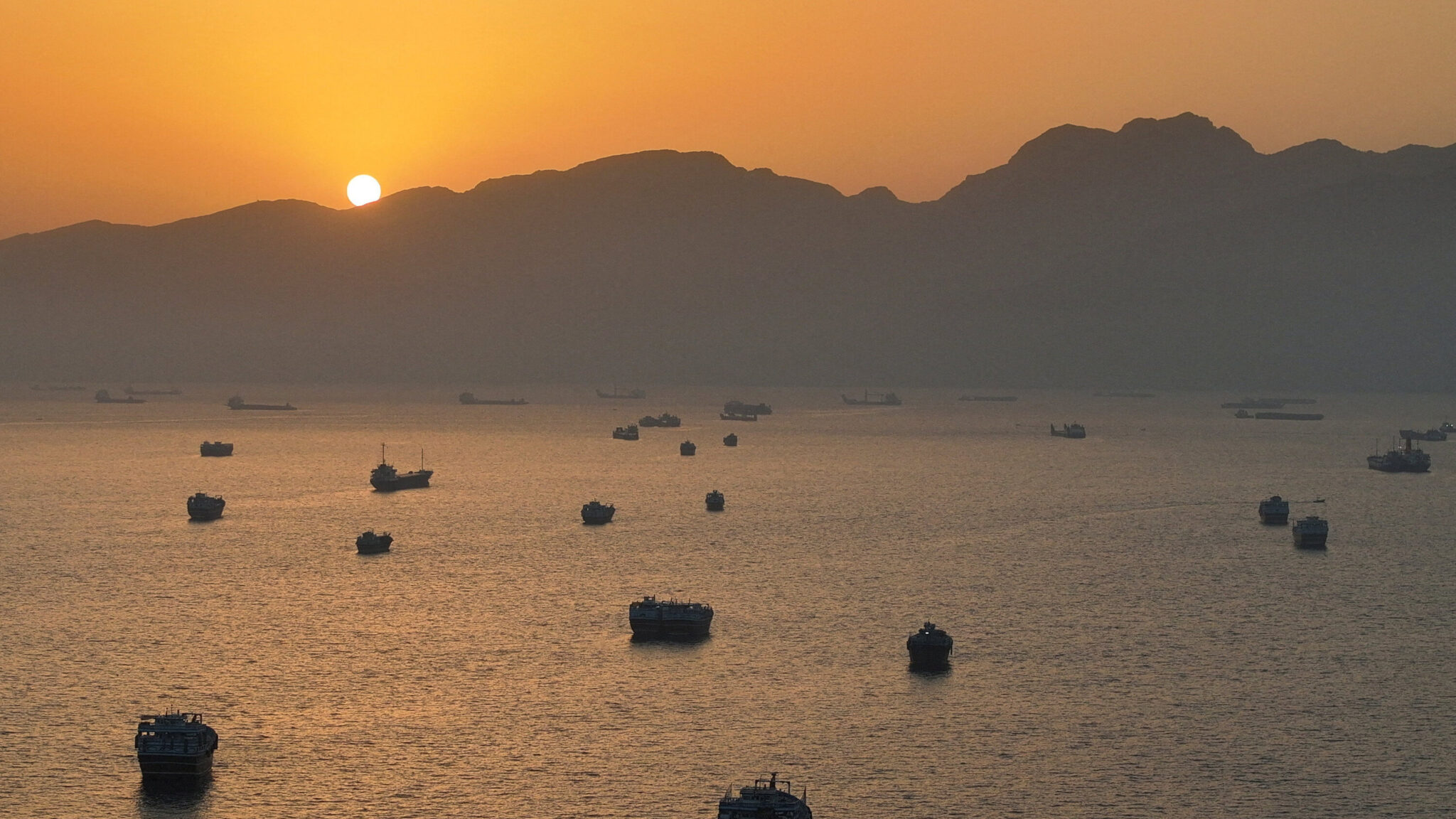
US special envoys meet mediators in Qatar but will not engage directly with Iranian officials amid ongoing tensions over the Strait of Hormuz.
US special envoy Steve Witkoff and Jared Kushner, a senior advisor to former President Donald Trump, have arrived in Doha to engage in discussions regarding US-Iran negotiations with mediators. Qatar’s foreign ministry spokesman, Majed al-Ansari, confirmed that these discussions will not include direct meetings between the US envoys and Iranian officials.
During a recent press briefing, Ansari stated, “No high-level meetings or direct talks between the two sides are scheduled in the coming days.” The backdrop of this diplomatic engagement is a recent ceasefire agreement, which followed a series of strikes between the US and Iran over the reopening of the strategically critical Strait of Hormuz.
According to reports, the US and Iran had initially agreed to halt military operations and send delegations to Qatar following four days of escalating violence. This agreement was supposed to facilitate the safe passage of vessels through the Strait of Hormuz, which is vital for global oil and gas shipments.
The memorandum of understanding (MoU), brokered with assistance from Pakistan and Qatar, established a mutual commitment to cease hostilities in various areas, including Lebanon. Notably, the deal aimed to provide a comprehensive framework for addressing multi-faceted issues, such as Iran’s nuclear program and US sanctions, with an ambitious target of 60 days to finalize terms.
Last week, initial talks took place in Switzerland with US Vice-President JD Vance and Iran’s Parliamentary Speaker, Mohammed Bagher Ghalibaf, participating. Following these discussions, mediators indicated that constructive progress had been made, including setting up a communication line for safe vessel transit.
However, recent hostilities rekindled after an Iranian strike on a cargo ship, amidst controversy over navigable waters in Oman. As tensions flared, a US official announced that both parties would take a pause temporarily and allow ships to move freely through the strait. This development was viewed optimistically, yet Iran’s deputy foreign minister, Kazem Gharibabadi, promptly refuted claims of any upcoming technical discussions with the US crew.
In reaction to a request for a meeting from Iran in Qatar’s capital, President Trump affirmed that Witkoff and Kushner would meet in Doha for what was dubbed as “high-level meetings.” However, Qatar’s foreign ministry reiterated that the US envoys were present solely to meet with mediators, and were not scheduled to engage directly with Iranian officials.
Ansari elaborated that the discussions would encompass a range of regional issues, including the ongoing negotiations with Iran. He also noted, “The talks will focus on addressing all concerns in the region, not just the negotiations with Iran, but Lebanon and other files as well.”
While the senior Trump administration official indicated positive dialogues had occurred with regional leaders, technical discussions are set to continue through the week, potentially escalating to a higher level of engagement. Efforts remain focused on the security landscape and economic viability as talks progress.
Meanwhile, Iranian spokesperson Esmail Baqai reported that discussions regarding the implementation of the MoU, including stipulations about the release of Iranian assets currently frozen in the US, are hoped to take place soon. As the geopolitical landscape evolves, the movement of assets and accountability will be closely watched, with Baqai emphasizing Iran’s commitment to safeguarding its interests in the region.
Keep in touch with our news & offers
Subscribe to Our Newsletter
Thank you for subscribing to the newsletter.
Oops. Something went wrong. Please try again later.