
Experts delve into the complexities of calf muscle injuries, including Christian Pulisic’s case, and explain the implications for athletes.
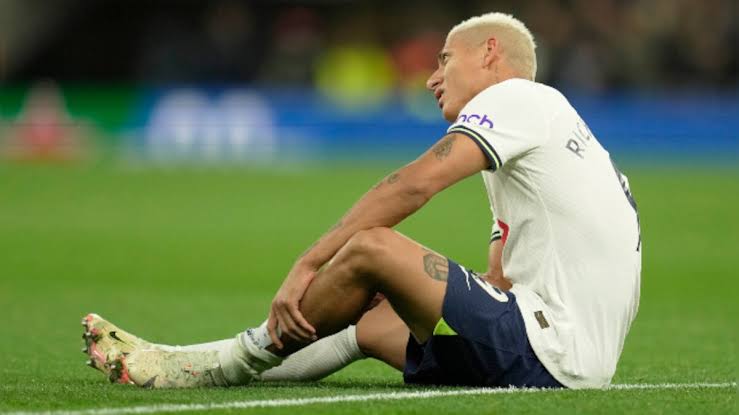
Experts delve into the complexities of calf muscle injuries, including Christian Pulisic’s case, and explain the implications for athletes.
Calf muscles have become a hot topic this World Cup, especially focusing on the left calf of Christian Pulisic. The 27-year-old forward was substituted during halftime of the United States’ opening match against Paraguay, which the U.S. won 4-1. After the game, head coach Mauricio Pochettino revealed that the substitution was mainly precautionary after Pulisic received a kick in the calf and began feeling tightness in the area.
“We hope that it’s not a big issue and he can be ready for the next one,” Pochettino said at the time.
However, Pulisic did not participate in the U.S. team’s second group match against Australia on Friday. Still, Pochettino shared optimistic news regarding Pulisic’s recovery, stating, “The feelings are good. Hope that it is as soon as possible that he can be ready to be selected again and to be part of the team.” By Monday, Pulisic returned to training with the full squad following a period of limited workouts, focusing on gym training, resistance exercises, and light ball work.
Calf injuries are not limited to Pulisic; they have also affected other players during the tournament. Brazilian star Neymar has yet to play due to a right leg issue, while England defender Tino Livramento had to exit the World Cup due to his own calf injury.
To understand why calf issues can be particularly problematic for athletes, physiotherapist Helen van Kempen, who has spent a decade in elite sports, including roles with English rugby and British Athletics, provided insights alongside Sports Medicine and Performance Specialist Dominic Rae.
Rae highlighted the complexity of the calf muscle group, which consists of three primary muscles: the gastrocnemius, the soleus, and the plantaris. “The calf complex is more complicated and important than many realize, and one of the most overlooked complexes when we talk about sports performance,” he explained.
As athletes sprint, jump, or change direction, the foot becomes the first point of contact, causing considerable force—up to twelve times bodyweight—to be absorbed by the calf muscles. Any breakdown within this muscle complex can increase injury risk and hinder performance.
“Any of the three muscles in the calf complex can sustain tears, ranging from minor myofascial injuries to complete ruptures,” Rae noted, indicating that injuries often develop gradually rather than suddenly, particularly with the soleus muscle, which is vital for sustaining activity during prolonged exertion.
Van Kempen elaborated on recovery timelines, stating that muscle strains can vary significantly. A grade 1 strain affecting the muscle belly can result in a ten-day recovery, while a severe strain extending into the tendon may require up to three months for proper healing.
A contusion, or kick to the calf, can complicate recovery by causing muscle fibers to tear and inflammation to set in, which can further restrict performance during future games.
“Another potential outcome of a direct blow is direct impact on a nerve,” Rae warned, as this can affect muscle innervation and function.
After the initial injury, treatment focuses on preventing further bleeding into the muscle through strategies like rest, ice, compression, and elevation. Progressive movement is encouraged to aid in recovery.
The time it takes for a player to return to action can greatly depend on the extent of the muscle damage. In cases of minor strains, athletes can see quick improvements, whereas significant injuries require much longer rehabilitations.
Ultimately, the balance between a rushed return and proper recovery is crucial. “Whenever you strain a muscle, you are always more likely to injure that again,” Van Kempen summarized, emphasizing the importance of thorough rehabilitation to ensure long-term performance reliability.
Keep in touch with our news & offers
Subscribe to Our Newsletter
Thank you for subscribing to the newsletter.
Oops. Something went wrong. Please try again later.