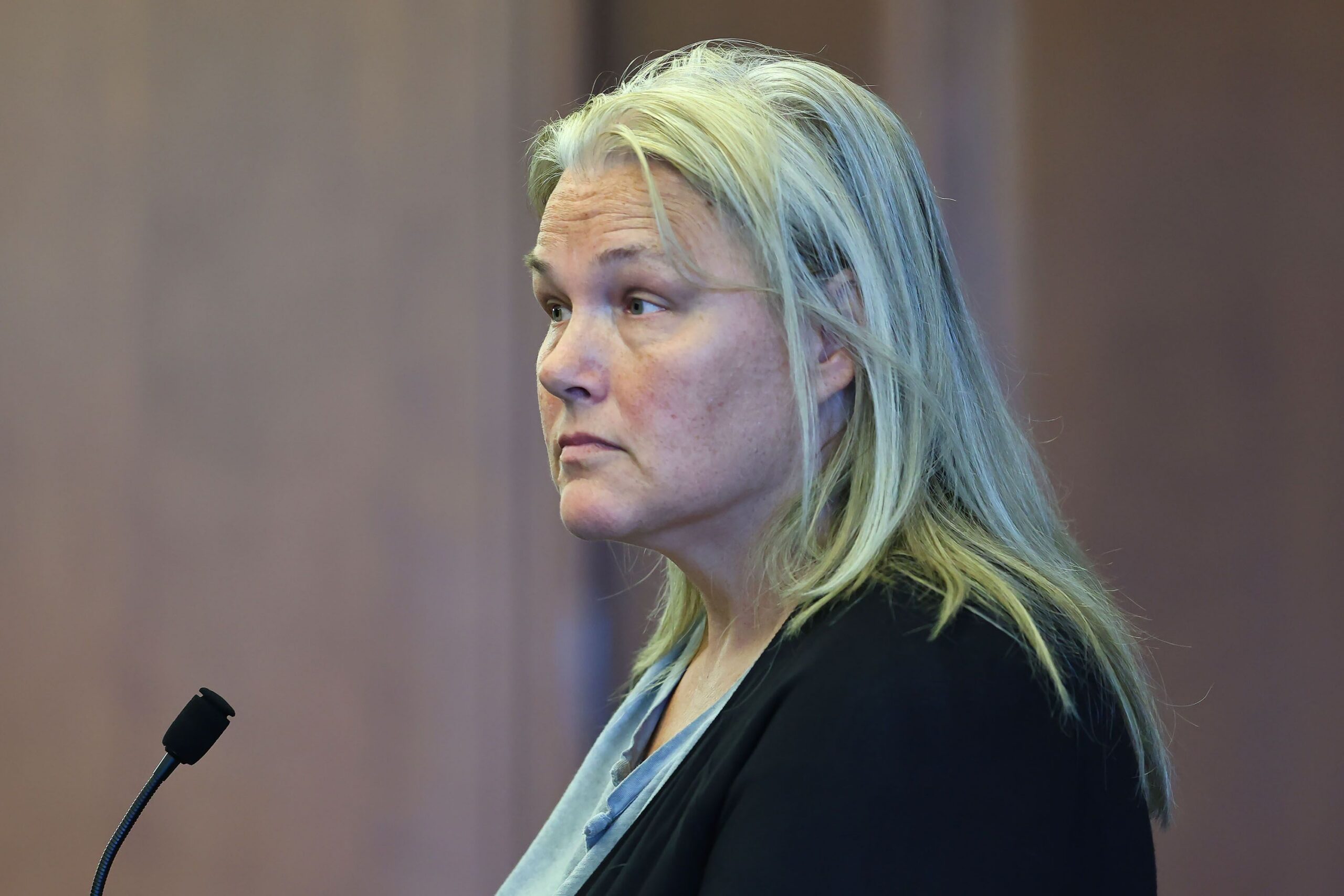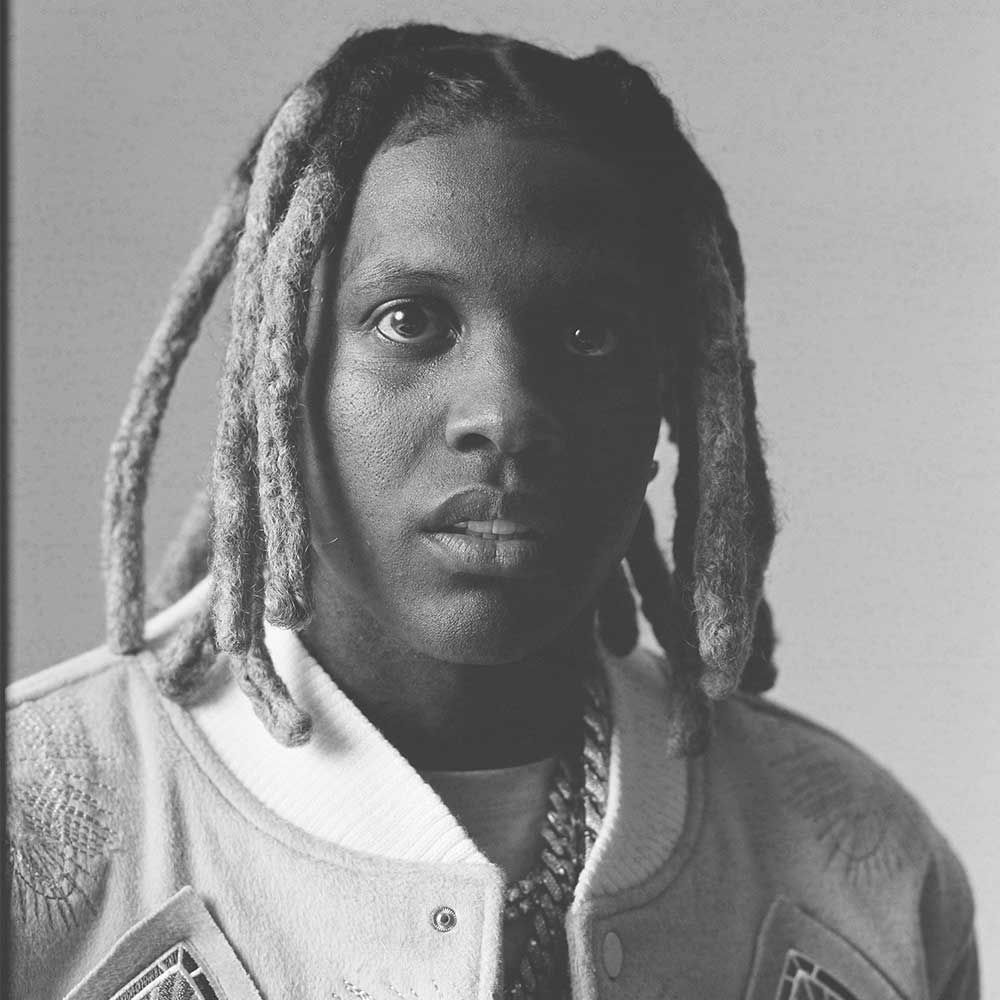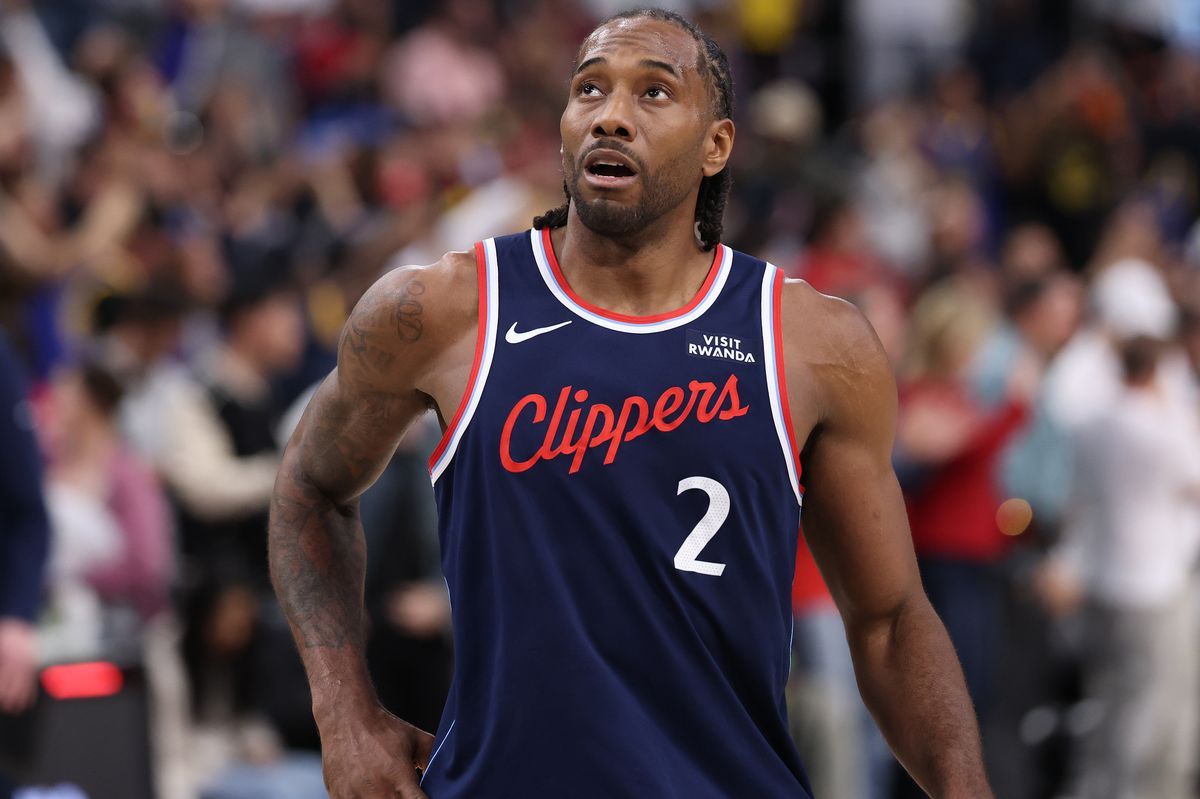
NCAA Division I athletes can now have five years of competition under new eligibility rules, eliminating redshirts and waivers.
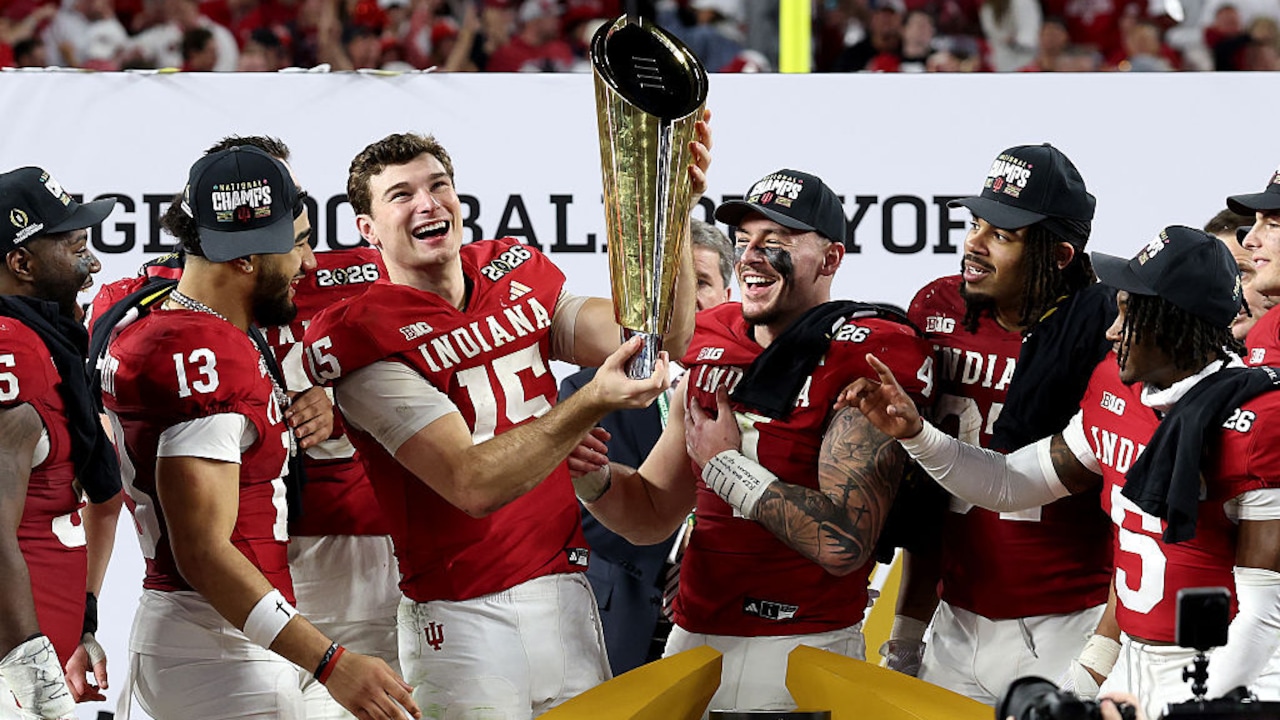
NCAA Division I athletes can now have five years of competition under new eligibility rules, eliminating redshirts and waivers.
The NCAA has long permitted athletes five years to complete up to four seasons of competition, but recent legal challenges and other changes have muddied eligibility guidelines. On Tuesday, the Division I Cabinet unanimously approved new eligibility changes, allowing athletes five years of competition in college, thereby eliminating redshirts and waivers.
This new “age-based eligibility model” will take effect for athletes who have remaining eligibility years following the conclusion of the 2025-26 academic year. However, those who finish their fourth season by spring 2026 will not benefit from these changes, according to earlier recommendations from the cabinet.
The intention behind these revised rules is to reduce the rising number of athletes who extend their college sports participation beyond five years, often into their mid-20s, by using waivers to secure extra seasons. Under the new model, the eligibility clock will begin when athletes first enroll in college or at the start of the academic year following their 19th birthday, whichever comes first.
The unanimous vote by the Division I Cabinet is significant, marking a departure from a long-standing eligibility standard that allowed for one redshirt season within the five years allocated for competition. Factors affecting this change include a revision in redshirt status permitting players to play partial seasons while still retaining redshirt eligibility, as well as waivers granted for season-ending injuries that essentially restored a competition year. In addition, all athletes were granted an extra year of eligibility in 2020 due to the COVID-19 pandemic, though most have subsequently exhausted their eligibility.
Legal challenges surrounding eligibility have also played a role in shaping these rules. For instance, a blanket waiver was granted to junior college athletes following a legal claim from former Vanderbilt quarterback Diego Pavia in 2024.
As this new eligibility rule begins to take shape, there are already indications of forthcoming legal challenges. Darren Heitner, a lawyer based in Florida known for his involvement in high-profile name, image, and likeness cases, confirmed that multiple lawsuits on behalf of athletes seeking an additional year of eligibility are expected to be filed this week.
It’s important to note that the decision made by the Division I Cabinet will not be finalized until its meeting concludes on Wednesday.
Keep in touch with our news & offers
Subscribe to Our Newsletter
Thank you for subscribing to the newsletter.
Oops. Something went wrong. Please try again later.