Bitcoin continues to climb, drawing renewed attention from investors and everyday users who are starting to see its real-world value beyond speculation.
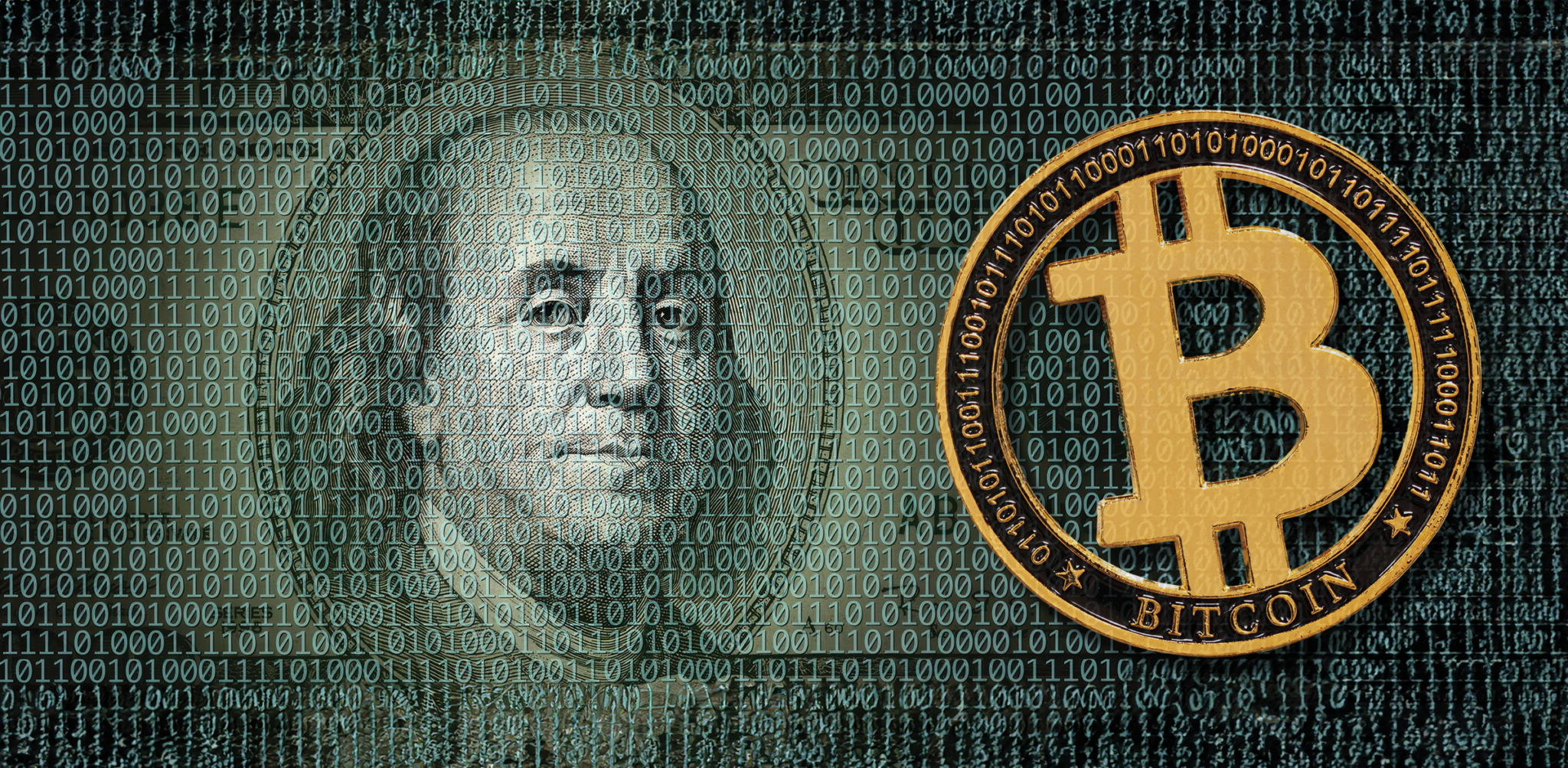
The latest rise in Bitcoin has caught attention well beyond crypto circles, and it is not just about the price. There is a growing sense that something more structural is happening underneath. What started years ago as an experimental digital currency is increasingly being treated as a serious financial asset, and in some cases, even a form of digital gold. For people watching markets closely, the question has shifted from whether Bitcoin will survive to how far it can go.
At its core, Bitcoin works differently from traditional money. There is no central bank controlling supply or interest rates. Instead, it runs on a system called blockchain, where transactions are recorded across a network of computers rather than stored in a single place. This makes it transparent, difficult to alter, and resistant to control by any single authority. New Bitcoin is created through a process known as mining, where powerful computers solve complex problems to validate transactions. The supply is capped, which means there will only ever be 21 million coins, a feature that many believe gives it long term value.
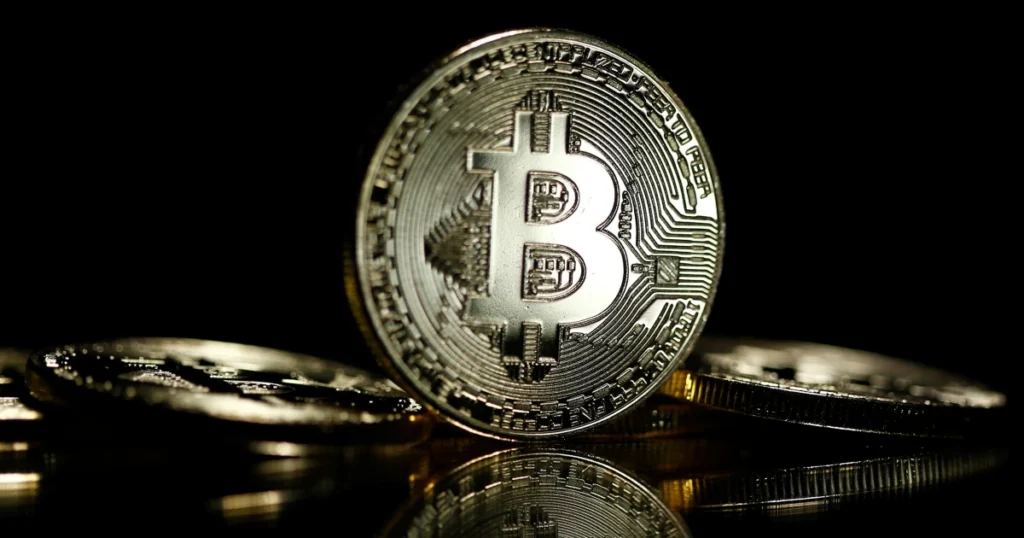
Part of the recent surge comes down to demand catching up with that limited supply. Large financial institutions that once dismissed Bitcoin are now entering the space, either directly or through investment products. That shift has changed perception. When major players begin to treat something as legitimate, others tend to follow. At the same time, global uncertainty has made alternative assets more appealing. Inflation concerns, currency fluctuations, and economic instability have pushed some investors to look for something outside traditional systems.
There is also a more practical side to Bitcoin that often gets overlooked. It allows people to transfer value across borders quickly, without relying on banks or facing the same level of fees. In regions where financial systems are unstable or access to banking is limited, that matters. It is not just about trading or investing. For some, it is about access and control over their own money in a way that was not possible before.
Public reaction remains mixed, though the tone has shifted. There is still scepticism, especially around volatility. Prices can rise sharply but also fall just as fast, and that risk is hard to ignore. At the same time, there is a growing group of people who see Bitcoin as part of the future rather than a passing trend. Younger investors in particular seem more comfortable with the idea of digital assets, and that generational shift could play a role in how things develop over time.
Experts are divided on what comes next, but many agree that Bitcoin is no longer on the fringe. It has moved into the mainstream conversation, even if it is not fully understood by everyone. Some see it as a hedge against traditional finance, while others view it as a technology still finding its place. Either way, its influence is becoming harder to dismiss.
There are also wider implications to consider. Governments and regulators are paying closer attention, trying to balance innovation with oversight. That could shape how Bitcoin evolves in the coming years. Too much restriction could slow adoption, while too little could increase risk. Finding that balance will not be simple.
For now, Bitcoin’s rise reflects more than just market momentum. It signals a shift in how people think about money, control, and value itself. Whether it continues climbing or faces another downturn, one thing is clear. It has already changed the conversation, and it is unlikely to fade quietly.
Keep in touch with our news & offers
Subscribe to Our Newsletter
Thank you for subscribing to the newsletter.
Oops. Something went wrong. Please try again later.